
Arachnid Categories
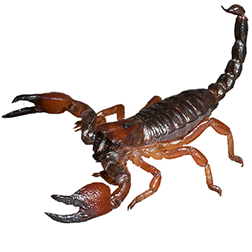

The Ultimate Guide to Arachnids: Everything You Need to Know About Keeping These Exotic Pets
Inside an Arachnid—The Wonders of Their Anatomy
An infographic would provide a visual breakdown of key anatomical features, helping enthusiasts understand their pet’s biology. Here’s what it could include
1. Key External Anatomy
- Exoskeleton The tough outer shell that provides protection and support.
- Cephalothorax The fused head and thorax, housing the eyes, mouthparts, and legs.
- Abdomen Contains vital organs like the heart and silk-producing glands in spiders.
- Legs Eight legs equipped with sensory hairs for detecting vibrations and changes in the environment.
2. Specialized Structures
- Spinnerets Located at the end of a spider’s abdomen, these produce silk for webbing, egg sacs, and mobility.
- Pedipalps Used for sensory input, mating, and handling food. In scorpions, these form powerful pincers.
- Chelicerae The arachnid’s mouthparts, often equipped with fangs for injecting venom.
3. Internal Anatomy
- Book Lungs Unique respiratory structures that allow efficient oxygen exchange.
- Digestive System Designed to liquefy prey for easy consumption.
- Nervous System A simple but effective system that enables quick responses to stimuli.
4. Venom Glands
- Found in many arachnids, these glands produce venom for subduing prey or defense.
Observe Your Pet’s Webbing Techniques
Watching your arachnid’s webbing behavior can be both educational and mesmerizing. Here’s how to observe and appreciate this unique skill
What You’ll Need
- A calm, quiet environment.
- A well-lit enclosure (use soft, indirect light to avoid stressing your pet).
- Patience, as webbing activity often occurs during the evening or at night.
Steps to Observe Webbing
- Prepare the Enclosure Ensure there are anchor points like branches or decorations for web-building species.
- Set the Scene Dim surrounding lights and minimize disturbances to encourage natural behavior.
- Watch the Process
- Look for the spinnerets in action, releasing silk threads.
- Note how your arachnid uses its legs to guide and position the silk.
- Observe patterns, such as spiral webs, funnels, or simple retreats.
What to Document
- Frequency How often does your arachnid spin a web?
- Style Does it build a specific type of web or use silk for other purposes, like lining its burrow?
- Behavior Triggers Does webbing occur after feeding, during pre-molt, or in response to environmental changes?
Key Takeaways
- Adaptations in Action Webbing isn’t just for catching prey—it also provides shelter, aids in mobility, and even facilitates reproduction.
- Species-Specific Behaviors Not all arachnids spin webs. For instance, tarantulas often use silk to line their burrows, while scorpions rely on burrowing rather than webbing.
- Appreciation Through Observation Watching these behaviors deepens your understanding of your arachnid’s instincts and needs.
Ethical and Conservation Considerations
Arachnids play vital roles in ecosystems, yet they are often misunderstood and mistreated. Ethical ownership and breeding practices, as well as conservation efforts, are essential for ensuring the survival and appreciation of these incredible creatures.
Conservation Projects Involving Arachnids
1. Tarantula Conservation in Sri Lanka
- Focus Species Poecilotheria spp. (e.g., Gooty Sapphire Ornamental Tarantula)
- The Issue Habitat destruction due to deforestation and illegal wildlife trade threatens these stunning arboreal tarantulas.
- The Solution Conservationists have partnered with local communities to protect critical habitats and establish breeding programs to reduce demand for wild-caught specimens.
- Outcome Increased awareness and habitat preservation efforts are helping stabilize populations.
2. Scorpion Conservation in North Africa
- Focus Species Androctonus australis (Fat-tailed Scorpion)
- The Issue Overharvesting for venom research and pest control disrupts ecosystems.
- The Solution Research institutions now promote sustainable harvesting practices and captive-breeding programs to alleviate pressure on wild populations.
- Outcome Improved venom supply for medical research without depleting wild populations.
3. Spider Silk Research in the U.S.
- Focus Species Nephila clavipes (Golden Silk Orb-Weaver Spider)
- The Issue Wild-caught spiders were often used in silk harvesting for biomedical and textile research, impacting local populations.
- The Solution Scientists developed synthetic silk production techniques, reducing the need to exploit wild spiders.
- Outcome Sustainable silk production models now benefit both conservation and industry.
How You Can Help Protect Wild Arachnids
You can contribute to arachnid conservation, even as an enthusiast or pet owner. Here’s how
Step 1 Promote Ethical Practices
- Support Captive Breeding Purchase only captive-bred arachnids from reputable breeders, reducing the demand for wild-caught specimens.
- Educate Others Share accurate information to dispel myths and promote arachnid appreciation.
Step 2 Protect Habitats
- Contribute to Conservation Organizations Donate to groups working to preserve arachnid habitats, such as rainforest protection initiatives.
- Participate Locally Advocate for policies that safeguard local ecosystems where arachnids thrive.
Step 3 Practice Responsible Ownership
- Avoid Releasing Pets into the Wild Non-native species can disrupt ecosystems and threaten local wildlife.
- Recycle and Reduce Waste Small actions can prevent pollution and habitat degradation.
Interactive Quiz: What Can You Do to Help?
Question 1
If you’re purchasing an arachnid, what’s the most ethical choice?
- a) Captive-bred specimens from reputable breeders.
- b) Wild-caught specimens for their “authenticity.”
- c) Any arachnid as long as it looks healthy.
Correct Answer a) Captive-bred specimens from reputable breeders.
Question 2
What’s a simple action you can take to reduce habitat destruction?
- a) Use products that avoid deforestation.
- b) Spread awareness about arachnid conservation.
- c) Both a and b.
Correct Answer c) Both a and b.
Why Ethical Practices Matter
- Ethical ownership and breeding ensure the sustainability of arachnid populations.
- Conservation efforts protect ecosystems where arachnids contribute as predators, prey, and pollinators.
VIII. Special Topics and Fun Extras
As fascinating as arachnids are, they also require careful handling and attention to safety. This section focuses on ensuring both you and your arachnid remain safe, with a touch of fun and humor to keep it engaging.
Safety Tips for Owners
Handling and caring for arachnids can be safe and enjoyable when done correctly. Here are key safety tips every arachnid owner should know
1. Learn Your Arachnid’s Behavior
- Know the Signs Raised front legs or a quick retreat indicates stress or a potential defensive response.
- Avoid Aggression Triggers Minimize sudden movements, loud noises, or bright lights.
2. Handle with Care (or Not at All)
- Safe Handling If your species tolerates handling, use a flat hand and let the arachnid walk onto you.
- When Not to Handle Avoid handling during pre-molt or post-molt when they are vulnerable.
3. Protect Yourself
- Wear Gloves For species with venom or urticating hairs, gloves offer an extra layer of protection.
- Stay Calm If an arachnid climbs onto you unexpectedly, remain still and gently coax it back to its enclosure.
4. Secure the Habitat
- Escape-Proof Enclosures Ensure lids are tight and ventilation holes are small enough to prevent escapes.
- Safe Decor Avoid sharp or unstable objects in the enclosure that could harm your pet or make cleaning risky.
"Safety First" Comic Strip
A comic strip can add a playful touch to safety education while reinforcing key lessons. Here's an idea for a comic storyline
Panel 1
Scene A novice owner reaches into a tarantula enclosure with bare hands.
Caption “What could go wrong?”
Panel 2
Scene The tarantula raises its front legs defensively.
Caption “When your pet says, ‘Please give me space!’”
Panel 3
Scene The owner uses feeding tongs to place a cricket in the enclosure.
Caption “Safety gear for the win!”
Panel 4
Scene The tarantula calmly eats, and the owner smiles from a safe distance.
Caption “Respect your pet’s boundaries for a happy and safe experience.”
Entertaining Yet Cautionary Owner Stories
1. The Escaped Explorer
- The Story An owner left their tarantula enclosure slightly open, only to discover the arachnid had made a daring escape into the closet.
- The Lesson Always double-check that enclosures are securely closed.
2. The Hairy Situation
- The Story A beginner didn’t realize their tarantula could flick urticating hairs and ended up with itchy hands for days.
- The Lesson Wear gloves or use tools when working in the enclosure of tarantulas with urticating hairs.
3. The Feeding Mishap
- The Story An owner tried to hand-feed their scorpion, only to be greeted with an unexpected pinch.
- The Lesson Always use feeding tongs to maintain a safe distance.
Pro Tips for Avoiding Mishaps
- Be Prepared Keep basic first-aid supplies handy in case of minor irritations or bites.
- Learn About Venom Understand the potency of your arachnid’s venom and seek professional help if bitten.
- Respect Boundaries Most incidents occur when owners attempt to handle or provoke their arachnids unnecessarily.
Arachnophobia Awareness
For many, the thought of arachnids elicits fear, but for others, they’ve made the leap from fear to fascination, finding joy and intrigue in these misunderstood creatures. This section highlights inspiring transformation stories, busts common myths, and includes a fun trivia game to demystify arachnids.
"From Fear to Fascination" Transformation Stories
1. The Skeptical Roommate
- The Fear A college student was horrified when their roommate brought home a pet tarantula.
- The Transformation After weeks of observing the tarantula’s calm and predictable behavior, the student began asking questions, eventually holding the tarantula themselves.
- The Outcome The once-terrified student became a tarantula owner, finding them “oddly calming.”
2. The Reluctant Parent
- The Fear A parent reluctantly allowed their child to adopt a pet scorpion but insisted they would never interact with it.
- The Transformation Watching their child care for the scorpion inspired curiosity, and the parent eventually began feeding it and even showing it off to friends.
- The Outcome The parent became an advocate for scorpions, appreciating their importance in ecosystems.
3. The Educator’s Journey
- The Fear A biology teacher admitted to skipping over arachnid lessons due to their personal discomfort.
- The Transformation Determined to overcome their fear, the teacher volunteered to care for the school’s tarantula, gradually learning to appreciate its behavior.
- The Outcome The teacher now uses the tarantula as a teaching tool to inspire curiosity in students.
Trivia Game “Can You Spot the Real Danger?”
This fun game is designed to challenge common misconceptions about arachnids and educate players about real vs. perceived dangers.
Question 1 Which arachnid is most likely to harm a human?
- a) Chilean Rose Tarantula
- b) Emperor Scorpion
- c) Recluse Spider (Loxosceles reclusa)
Answer c) Recluse Spider. While tarantulas and Emperor Scorpions are generally harmless to humans, the Recluse Spider’s venom can cause serious medical issues.
Question 2 True or False All tarantulas can kill a human with their venom.
Answer False. Most tarantula venom is harmless to humans, causing only mild irritation or discomfort.
Question 3 Which of the following is NOT a defensive behavior in tarantulas?
- a) Flicking urticating hairs
- b) Raising front legs
- c) Jumping at predators
Answer c) Jumping at predators. Tarantulas are unlikely to jump and prefer defensive postures or retreating.
Question 4 True or False Scorpions glow under UV light because of their venom.
Answer False. Scorpions glow due to compounds in their exoskeleton, unrelated to their venom.
Key Takeaways
- Education Dispels Fear Learning about arachnids’ behaviors and biology can transform fear into fascination.
- Observation Inspires Curiosity Spending time around arachnids often reveals their gentle and fascinating nature.
- Awareness Promotes Conservation Understanding arachnids reduces fear-driven actions, like unnecessary extermination, and fosters appreciation for their role in ecosystems.
Public Perception of Arachnids
Arachnids often face a bad reputation due to fear, misconceptions, and myths. Sharing your passion for these incredible creatures can help others see them in a new light. Here, we’ll explore ways to promote understanding and even have fun while doing it.
Tips for Sharing Your Passion with Skeptical Friends
1. Start with Fascinating Facts
- Share cool, non-threatening trivia
- Did you know? Scorpions glow under UV light due to compounds in their exoskeleton.
- Surprise them! Tarantulas rarely bite and are generally harmless to humans.
2. Create Opportunities for Safe Observation
- Invite friends to observe your arachnid from outside its enclosure.
- Highlight its unique behaviors, like web-spinning, burrowing, or feeding.
- Avoid pushing for interaction or handling; let curiosity grow naturally.
3. Use Analogies to Build Empathy
- Compare arachnids to more familiar animals
- “Tarantulas are like introverted cats—independent, low-maintenance, and they prefer observing the world from a distance.”
- “Scorpions are the armored knights of nature, blending strength with elegance.”
4. Focus on Arachnids’ Ecological Role
- Emphasize their importance as pest controllers, keeping populations of insects like mosquitoes and roaches in check.
- Explain how they contribute to biodiversity and healthy ecosystems.
5. Share Personal Stories
- Talk about how caring for your arachnid has taught you patience, observation, or a new appreciation for nature.
Fun Challenge - Arachnid Art Contest
An Arachnid Art Contest is a creative way to promote arachnid appreciation and engage both enthusiasts and skeptics.
How It Works
Participants design and decorate unique arachnid enclosures based on a theme. These setups combine functionality with artistic flair to create habitats that are not only safe and enriching for the arachnid but also visually stunning.
Contest Themes
- Mythical Worlds Create a habitat inspired by fantasy settings, like enchanted forests or ancient ruins.
- Underwater Dreams Design a tank that mimics the aesthetics of an underwater scene.
- Space Odyssey A galactic-inspired setup with stars, planets, and glowing elements.
- Arachnid’s Natural Home A faithful recreation of their native habitat.
Judging Criteria
- Creativity How unique and imaginative is the design?
- Practicality Does the setup meet the arachnid’s care needs?
- Visual Appeal Is it eye-catching and well-executed?
Submission Ideas
- Participants submit photos or short videos of their setups.
- A brief description of their theme and how it benefits their arachnid.
Incentives for Participation
- Prizes Arachnid-themed merchandise, care supplies, or a feature on a popular arachnid enthusiast page.
- Recognition Celebrate creativity and passion within the arachnid community.
Promoting Arachnid Awareness Through Creativity
This blend of education and creativity can spark curiosity and change perceptions. By inviting others to engage in a non-intimidating way, you’re paving the path for a broader appreciation of arachnids.
IX. Community and Resources
The arachnid community is a thriving network of passionate enthusiasts, breeders, and conservationists who share their knowledge and support. Whether you’re a beginner or a seasoned expert, these communities and resources are invaluable for connecting, learning, and staying inspired.
Top Online Communities and Forums
Joining a community of like-minded individuals can make your arachnid journey even more enriching. Here are some of the best online groups to explore
1. Arachnoboards
- What It Is One of the largest and most active arachnid forums.
- Topics Covered
- Care and husbandry tips.
- Breeding advice.
- Arachnid identification help.
- Why Join An invaluable resource for beginners and experts alike, with a friendly and knowledgeable user base.
2. The Tarantula Collective (Facebook Group)
- What It Is A vibrant community of tarantula enthusiasts on Facebook.
- Topics Covered
- Sharing photos and videos of your pets.
- Participating in discussions about species-specific care.
- Engaging with live Q&A sessions.
3. Reddit’s r/Tarantulas and r/Arachnids
- What It Is Two popular subreddits for arachnid lovers.
- Topics Covered
- Beginner FAQs and guides.
- Showcase your arachnid setups.
- Connect with fellow enthusiasts globally.
4. Exotic Pet Forums
- What It Is A general forum for exotic pet owners, with sections dedicated to arachnids.
- Why Join A great place for multi-pet owners to discuss broader care strategies.
The Best Arachnid Groups
Here’s a curated, clickable list to help you explore these communities
- Arachnoboards
- The Tarantula Collective Facebook Group
- Reddit r/Tarantulas
- Reddit r/Arachnids
- Exotic Pet Forums
Meet Inspiring Figures in the Arachnid World
1. Richard Stewart (The Tarantula Collective)
- Who He Is A prominent tarantula enthusiast and educator.
- What He Does Creates detailed video content on tarantula care, debunking myths, and exploring the beauty of these creatures.
- Why He Inspires His approachable style makes arachnid care accessible and fun for everyone.
2. Dr. Linda Rayor (Arachnologist and Educator)
- Who She Is A professor and researcher specializing in arachnid behavior.
- What She Does Conducts studies on spider communication and colony behaviors, while also teaching the next generation of arachnid lovers.
- Why She Inspires Dr. Rayor combines academic rigor with a passion for making arachnids relatable to the general public.
3. Danielle Phillips (Ethical Breeder and Conservationist)
- Who She Is A leading advocate for captive-bred arachnids.
- What She Does Breeds rare and endangered species while educating others on ethical practices.
- Why She Inspires Her work highlights the importance of conservation and responsible ownership.
How to Get Involved in the Community
- Engage Online Share your arachnid stories, ask questions, and participate in discussions.
- Attend Events Look for local or virtual meetups and expos to connect with enthusiasts in person.
- Contribute Content Write blogs, create videos, or photograph your setups to share with the community.
Books, Videos, and Expert Recommendations
Dive deeper into the world of arachnids with books, videos, and expert recommendations tailored for enthusiasts at all levels. Whether you’re a beginner seeking foundational knowledge or an expert looking to refine your skills, these resources are invaluable.
Famous Arachnid Appearances in Pop Culture
Arachnids have made their mark in movies and documentaries, captivating audiences with their mysterious allure.
1. Movies Featuring Arachnids
- "Arachnophobia" (1990) A comedy-thriller that plays on common fears while showcasing the intricate movements of spiders.
- "Charlotte’s Web" (2006) While fictional, this heartwarming tale highlights the creativity and intelligence associated with web-spinning spiders.
- "Harry Potter and the Chamber of Secrets" (2002) Features Aragog, a giant Acromantula who terrifies and fascinates in equal measure.
2. Documentaries
- "Life in the Undergrowth" (BBC, 2005) Narrated by Sir David Attenborough, this series delves into the lives of invertebrates, including stunning footage of arachnids in action.
- "The Tarantula Whisperer" (National Geographic) A short but compelling look at the life and habits of tarantulas around the world.
Beginner’s Bookshelf: Essential Reading with Reviews
1. The Tarantula Keeper’s Guide by Stanley A. Schultz and Marguerite J. Schultz
- Why It’s Essential This comprehensive guide covers everything from species selection to advanced care techniques.
- Best For Beginners and intermediate enthusiasts looking for a deep dive into tarantula husbandry.
- Highlights Detailed information on feeding, housing, and breeding, along with engaging personal anecdotes.
2. Spiders of the World by Norman Platnick
- Why It’s Essential A beautifully illustrated field guide to the diversity of spider species worldwide.
- Best For Those interested in identifying and learning about arachnids in the wild.
- Highlights Gorgeous visuals and easy-to-follow descriptions make it a coffee-table favorite.
3. Scorpions A Complete Pet Owner’s Manual by Manny Rubio
- Why It’s Essential A concise yet thorough introduction to caring for scorpions, with a focus on commonly kept species.
- Best For New scorpion owners or anyone curious about their behavior and care.
- Highlights Practical tips on enclosure setup, feeding, and health monitoring.
4. The Secret Lives of Spiders by Erich Hoyt
- Why It’s Essential This engaging book combines storytelling with science, revealing the hidden world of spiders.
- Best For Readers who want to move beyond basic care and delve into arachnid behavior and ecology.
- Highlights Accessible writing that appeals to both casual readers and serious enthusiasts.
Videos and Channels for Learning
1. The Tarantula Collective (YouTube)
- Why Watch Offers practical advice, species spotlights, and captivating visuals.
- Best Video "Top 10 Beginner Tarantulas" is a must-watch for newcomers.
2. Mark’s Tarantulas (YouTube)
- Why Watch Detailed species care guides and insights from a seasoned keeper.
- Best Video "Building Bioactive Tarantula Enclosures" is perfect for those looking to level up their setups.
3. Nat Geo Wild Spider Series
- Why Watch Stunning cinematography and expert narration bring the world of spiders to life.
- Best Video The "World’s Deadliest" series highlights the incredible adaptations of arachnids.
Expert Recommendations
- Dr. Linda Rayor Follow her work on arachnid behavior, featured in scientific publications and educational programs.
- Stanley A. Schultz Co-author of The Tarantula Keeper’s Guide, he remains a trusted voice in the arachnid community.
- Richard Stewart Host of The Tarantula Collective, known for making tarantula care accessible and fun for all.
Top 10 Must-Have Items for Arachnid Owners
The right tools and supplies can make a world of difference in ensuring your arachnid’s health, safety, and comfort. Based on owner feedback and expert reviews, here are the top 10 products every arachnid enthusiast should consider, along with tips for finding discounts or exclusive offers.
Top 10 Must-Have Products
1. Exo Terra Glass Terrarium
- Why It’s Great Durable, escape-proof, and designed with excellent ventilation, this terrarium is ideal for both tarantulas and scorpions.
- Owner Rating ★★★★★
- Pro Tip Look for seasonal sales at exotic pet retailers to save up to 20%.
2. Zoo Med ReptiTherm Under Tank Heater
- Why It’s Great Provides consistent heat for enclosures without disturbing your arachnid.
- Owner Rating ★★★★★
- Discount Tip Some online retailers offer bulk discounts if you buy heating mats for multiple enclosures.
3. Arcadia Jungle Dawn LED Lighting
- Why It’s Great This low-intensity LED lighting system is perfect for enhancing enclosure aesthetics without stressing nocturnal arachnids.
- Owner Rating ★★★★☆
- Exclusive Offer Check the manufacturer’s website for first-time buyer discounts.
4. Eco Earth Coconut Fiber Substrate
- Why It’s Great Natural and moisture-retaining, it’s an excellent choice for burrowing species.
- Owner Rating ★★★★★
- Savings Tip Buy in bulk to stock up for multiple enclosures and reduce costs.
5. Fluker's Digital Thermometer & Hygrometer
- Why It’s Great Accurate and easy to use, this combo helps monitor temperature and humidity for a perfect environment.
- Owner Rating ★★★★☆
- Pro Tip Look for combo packs that include multiple units for large collections.
6. Stainless Steel Feeding Tongs
- Why It’s Great Long, sturdy tongs keep you safe while offering live prey to your arachnid.
- Owner Rating ★★★★★
- Savings Tip Many online retailers include free tongs with larger orders of arachnid supplies.
7. Exo Terra Water Dish
- Why It’s Great Shallow and easy to clean, this dish ensures your arachnid stays hydrated without risk of drowning.
- Owner Rating ★★★★★
- Discount Tip Often bundled with other Exo Terra products for package savings.
8. Zilla Misting Bottle
- Why It’s Great Provides a fine mist to maintain humidity levels without soaking the enclosure.
- Owner Rating ★★★★☆
- Savings Tip Some retailers offer discounts for buying multiple bottles at once.
9. Tarantula Keeper’s Guide (Book)
- Why It’s Great The ultimate reference for all tarantula enthusiasts, covering care, breeding, and more.
- Owner Rating ★★★★★
- Pro Tip Check e-book versions for discounts or bundled packages with care supplies.
10. Pangea Feeding Cups
- Why It’s Great Perfect for offering small prey like fruit flies or mealworms to juvenile arachnids.
- Owner Rating ★★★★☆
- Savings Tip Available in large packs at discounted rates from online pet stores.
Offer Discounts or Exclusive Codes
To make your shopping more budget-friendly, look for these opportunities
- Supplier Discounts Sign up for newsletters from brands like Exo Terra, Zoo Med, and Pangea for exclusive offers.
- Affiliate Codes Many arachnid influencers or YouTube creators, such as The Tarantula Collective, offer discount codes for their followers.
- Seasonal Sales Watch for Black Friday, Cyber Monday, or end-of-year sales for significant savings.
- Bundle Deals Some suppliers offer discounted kits, including terrariums, substrates, and heating tools.
Pro Tip for Discounts
Join online communities like Arachnoboards or Reddit’s r/Tarantulas where members often share coupon codes, group buys, or links to ongoing sales.
X. Frequently Asked Questions
Navigating arachnid ownership, especially for beginners, comes with a lot of questions. Here’s a quick-answer section addressing some of the most common concerns, ensuring you’re equipped with the knowledge to care for your arachnid confidently.
For Beginners: “Is It Normal for My Arachnid To…?”
1. Stop Eating for Weeks?
- Answer Yes! It’s common for arachnids, especially tarantulas, to stop eating during pre-molt. As long as their abdomen remains plump and there are no signs of illness, there’s usually no cause for concern.
2. Lie on Its Back?
- Answer Yes! This is a normal behavior during molting. Do not disturb your arachnid—it’s shedding its exoskeleton and is very vulnerable during this time.
3. Dig or Burrow Excessively?
- Answer Yes! Many species, particularly terrestrial and burrowing tarantulas, scorpions, and whip spiders, instinctively create tunnels or shelters. It’s a sign they feel safe and are establishing their environment.
4. Refuse to Move for Hours or Days?
- Answer Yes! Arachnids are ambush predators and often stay still for long periods, conserving energy. Unless there are other signs of distress, this is normal behavior.
5. Spin Webs Everywhere?
- Answer Yes! Webbing is an essential part of many arachnid species' behaviors. Even non-web-building species like tarantulas may lay down silk to line their burrows or mark territory.
6. Raise Its Front Legs When I Approach?
- Answer Yes! This is a defensive posture signaling that your arachnid feels threatened. It’s best to give them space and avoid handling until they relax.
7. Appear Lethargic After Molting?
- Answer Yes! Post-molt, arachnids are weak and require time to harden their new exoskeleton. Ensure the enclosure is humid, and avoid feeding or handling them during this recovery period.
8. Hide All the Time?
- Answer Yes! Arachnids are naturally reclusive creatures, often preferring dark and secure spaces. Hiding is usually a sign they feel safe and comfortable.
9. Flick Hairs at Me?
- Answer Yes, for certain tarantula species! This is a defensive mechanism where they kick urticating hairs to deter perceived threats. Avoid handling them when they display this behavior, and always wash your hands if exposed.
10. Refuse to Use the Water Dish?
- Answer Yes! Many arachnids hydrate indirectly through their food or by absorbing moisture in their environment. However, always ensure fresh water is available.
Pro Tip Know When It’s Not Normal
If your arachnid displays behaviors like constant flipping, extreme lethargy paired with weight loss, or signs of physical injury, it’s time to investigate further or consult a specialist.
For Breeders Pro Tips
Breeding arachnids can be an incredibly rewarding but complex endeavor. Whether you’re just starting out or refining your methods, learning from experienced breeders can save you time, effort, and mistakes. Here’s a collection of pro tips “What I Wish I Knew Before Starting as a Breeder.”
1. Research Is Your Best Friend
- Pro Tip Thoroughly research the species you want to breed. Each has unique requirements, from mating behaviors to enclosure needs for offspring.
- What Breeders Say “I underestimated how specific the conditions had to be for breeding success. Learning the hard way took months I could have avoided with better prep.”
2. Start with Hardy Species
- Pro Tip Choose beginner-friendly species to learn the ropes, such as Chilean Rose Tarantulas or Emperor Scorpions. These species are more forgiving of minor errors.
- What Breeders Say “I tried to breed a rare and delicate species right away and lost valuable time and money. Start simple, then expand.”
3. Timing Is Critical
- Pro Tip Understand the timing of molts, as breeding too soon after a molt can stress or harm your arachnid. Males often have shorter lifespans after maturity, so plan accordingly.
- What Breeders Say “I didn’t realize how short a male’s window for breeding could be. Having a mature female ready to pair is essential.”
4. Monitor Interactions Closely
- Pro Tip Many arachnid species exhibit cannibalistic tendencies, especially during or after mating. Supervise interactions and separate the pair immediately after breeding if needed.
- What Breeders Say “I lost a prized male because I left the pair unsupervised. Even experienced breeders need to stay vigilant.”
5. Egg Sacs Require Patience
- Pro Tip Don’t disturb the female or the egg sac unnecessarily. This can lead to stress, abandonment, or even destruction of the sac.
- What Breeders Say “I was too eager to check the egg sac and learned that patience is key. Waiting can be nerve-wracking, but it’s worth it.”
6. Have a Plan for Offspring
- Pro Tip A single egg sac can produce hundreds of spiderlings or scorplings. Ensure you have the space, resources, and a plan for rehoming them before you start breeding.
- What Breeders Say “I wasn’t prepared for the sheer number of spiderlings. Housing and feeding hundreds of them was overwhelming without a plan.”
7. Understand the Market
- Pro Tip Research demand for the species you’re breeding. Captive-bred arachnids are always preferred, but oversaturating the market with one species can lead to difficulty selling.
- What Breeders Say “I bred a common tarantula, thinking it would sell quickly, but the market was already full. Now I research demand before every breeding cycle.”
8. Invest in Proper Tools and Equipment
- Pro Tip Quality enclosures, feeding tools, and temperature/humidity monitoring devices are essential for breeding success.
- What Breeders Say “Cheap tools and enclosures caused avoidable problems. Investing in quality gear saved me time and stress in the long run.”
9. Track Everything
- Pro Tip Maintain detailed records of breeding dates, egg sac development, molting schedules, and offspring care.
- What Breeders Say “Keeping a log helped me identify patterns and improved my success rates. Organization is key.”
10. Expect the Unexpected
- Pro Tip Not every breeding attempt will succeed, and not every egg sac will hatch. Learn from setbacks and adjust your approach.
- What Breeders Say “Breeding is as much about trial and error as it is about knowledge. Stay flexible and keep learning.”
For Owners: Fun and Quirky Questions with Conversational Answers
Owning an arachnid comes with its share of intriguing, amusing, and downright quirky questions. Here’s a lighthearted FAQ with fun yet informative answers to keep you entertained and educated.
1. Can I teach my tarantula tricks?
Answer Not exactly—your tarantula isn’t likely to fetch a stick or roll over on command. But you can observe their unique “natural tricks,” like web-spinning, burrowing, or climbing. Watching their innate behaviors can be just as fascinating as teaching tricks to a dog!
2. Why does my scorpion glow in the dark?
Answer It’s not a secret superhero power—scorpions glow under UV light due to compounds in their exoskeleton. Scientists aren’t entirely sure why, but it could help them avoid predators or communicate with others. Think of it as their built-in glow stick for the nightlife!
3. Do tarantulas know who I am?
Answer Probably not in the way your dog might recognize you, but tarantulas are sensitive to vibrations and may grow accustomed to your presence. They might think of you as “the big creature that delivers dinner” (and that’s still a win).
4. Can my tarantula hear me?
Answer Nope! Tarantulas don’t have ears, but they “listen” through vibrations. So while singing them a lullaby might not work, they’ll definitely notice if you tap on the enclosure (but please don’t; it stresses them out).
5. What’s with the “spider yoga” pose?
Answer If your tarantula is stretching its legs upward or outward, it might just be relaxing, like a good yoga session. However, if it’s curling its legs underneath (the dreaded “death curl”), that’s a sign something’s wrong—hydrate them immediately and check conditions.
6. Do scorpions play with their food?
Answer Not intentionally, but they do enjoy the hunt! Watching your scorpion capture prey is like nature’s live-action show—stealth, patience, and the ultimate ambush.
7. Can I cuddle with my tarantula?
Answer As adorable as they are, arachnids aren’t into cuddles. Handling should be minimal, as it can stress them out. Instead, enjoy their company from a safe distance—cuddles are overrated anyway, right?
8. Why does my spiderling disappear into its burrow?
Answer Your little one isn’t ghosting you—they’re just doing what comes naturally. Burrowing offers security and a cool place to hang out. Think of it as their personal man (or spider) cave.
9. Can I share my snacks with my arachnid?
Answer Sorry, but your chips and guac are not on their menu. Arachnids thrive on live prey, so keep the snacks for yourself and let them enjoy their crickets.
10. Do arachnids ever “get lonely”?
Answer Not at all! Arachnids are solitary creatures and thrive on being left alone. So if your tarantula seems antisocial, it’s not you—it’s them. And they like it that way.
XI. Wrapping Up Your Arachnid Journey
As we conclude this guide, let’s reflect on the fascinating world of arachnids and the joy they bring to dedicated owners and breeders. From their captivating behaviors to their vital ecological roles, arachnids have a unique place in our hearts and homes.
Key Takeaways The Ultimate Pet Arachnid Guide
1. Choosing the Right Arachnid
- Beginner-Friendly Options Species like Chilean Rose Tarantulas and Emperor Scorpions are great for new owners.
- Match Your Lifestyle Some arachnids require more care and specific environments than others.
2. Setting Up the Perfect Habitat
- Enclosures Matter Provide secure, species-appropriate setups with proper ventilation and hiding spaces.
- Temperature and Humidity Monitor these closely to ensure your arachnid thrives.
3. Caring for Your Arachnid
- Feeding and Nutrition Understand your pet’s dietary needs and feeding schedules.
- Behavioral Observation Learn to recognize molting, stress, and other natural behaviors.
4. Breeding and Raising Arachnids
- Ethical Practices Support conservation efforts and avoid breeding species beyond your capacity to care for or rehome.
- Egg Sac Care Be patient and vigilant to ensure healthy offspring.
5. Safety and Fun
- Handle with Care Minimize handling and prioritize safety for both you and your pet.
- Discover Their Personality Each arachnid has unique traits that make them endlessly fascinating.
Visual Summary
Use vibrant visuals like the following to summarize the main points
- Flow Chart
- Path from choosing an arachnid → Setting up habitat → Daily care → Breeding or long-term ownership.
- Infographic
- Key facts about feeding, habitat requirements, and common behaviors.
- Quick-View Tips
- Do’s and Don’ts of arachnid care in a visually engaging format.
Share Your Arachnid Stories and Photos
- Visit our forum to share your experiences, showcase your arachnid setups, and connect with fellow enthusiasts.
- Inspire others with your unique insights and favorite arachnid moments!
Advertise Your Arachnids for Sale
- Have arachnids to rehome or sell? List them on our classifieds to reach a dedicated audience of buyers.
- Showcase your breeding expertise and find the perfect match for your arachnids.
Explore Premium Arachnid Products
- Discover the best tools, enclosures, and accessories from our trusted premium vendors.
- Enjoy exclusive offers on top-rated products for your arachnid’s care and comfort.
Learn from Our Resource Library
- Dive into our extensive collection of thousands of articles tailored for new buyers, owners, and breeders.
- Topics range from beginner care guides to advanced breeding techniques and everything in between.
Get Involved Today!
Visit our website, join the discussions, and start exploring everything the arachnid world has to offer. Your story, knowledge, and passion can inspire others and help grow our amazing community.
Click Here to Join the Community Now!
We can’t wait to hear your arachnid stories, see your photos, and connect with you!
XII. Conclusion and Summary
As we conclude this comprehensive guide, let’s reflect on the most important lessons for owning, breeding, and caring for arachnids. Whether you’re a beginner or an experienced enthusiast, these takeaways will help you provide the best care for your eight-legged companions.
Key Takeaways
1. Choosing the Right Species
- Match Your Experience Level Beginners should start with hardy, low-maintenance species like the Chilean Rose Tarantula or Emperor Scorpion.
- Consider Your Lifestyle Think about the space, time, and care requirements each species demands.
2. Creating the Ideal Habitat
- The Right Enclosure Ensure it’s escape-proof, well-ventilated, and tailored to your arachnid’s needs.
- Temperature and Humidity Monitor and maintain ideal levels for your species using reliable tools.
- Enrichment Provide hiding spots, substrate for burrowing, and decor to encourage natural behaviors.
3. Ensuring Health and Well-Being
- Feeding and Hydration Offer appropriate live prey, fresh water, and avoid overfeeding.
- Molting Support Recognize signs of pre-molt, avoid disturbing your arachnid during molting, and maintain proper humidity.
- Health Monitoring Regularly observe your arachnid for signs of stress, illness, or injury.
4. Mastering the Art of Breeding and Care
- Ethical Practices Breed responsibly and focus on captive-bred arachnids to reduce pressure on wild populations.
- Egg Sac and Spiderling Care Be patient and prepared for the challenges of rearing offspring.
- Record Keeping Maintain detailed logs of molting cycles, feeding habits, and breeding activities to improve care and outcomes.
Arachnids are remarkable creatures that offer endless fascination for those willing to learn about their world. By choosing the right species, creating an enriching habitat, prioritizing health, and breeding responsibly, you not only ensure their well-being but also deepen your connection to these incredible animals.
Thank you for taking this journey through the world of pet arachnids with us. Whether you’re just starting or looking to expand your knowledge, we hope this guide inspires you to care for and celebrate arachnids with passion and respect.
Arachnid Ownership at a Glance
Owning an arachnid is more than just a hobby; it’s a journey of discovery and connection. Here’s a quick summary of essential care and maintenance, along with ways to take your arachnid passion to the next level.
Essential Care and Maintenance
Title “The Arachnid Care Cheat Sheet”
Daily Care
- Feeding Offer live prey every 1–2 weeks depending on the species and size.
- Hydration Keep a shallow water dish filled with fresh, dechlorinated water.
- Temperature Check Maintain species-appropriate warmth (75–85°F).
Weekly Maintenance
- Enclosure Cleaning Remove uneaten prey and spot-clean substrate.
- Humidity Adjustment Mist enclosure if needed, especially for tropical species.
Monthly Observations
- Track Molting Cycles Record pre-molt signs and monitor recovery post-molt.
- Habitat Update Rearrange decor or add new elements to encourage enrichment.
Safety Tips
- Minimal Handling Reduce stress by observing rather than touching.
- Use Tools Feeding tongs and gloves keep you and your arachnid safe.
Take the Next Step
1. Join Online Communities
- Connect with fellow arachnid enthusiasts through forums and social media groups like Arachnoboards or The Tarantula Collective.
- Share knowledge, learn tips, and grow your network of passionate owners.
2. Share Your Stories
- We’d love to hear about your arachnid experiences! Submit your stories, photos, or setups to the creators of this guide. Your journey might inspire others.
3. Advocate for Responsible Ownership
- Promote ethical practices by supporting captive breeding, respecting wild populations, and educating others about arachnids’ ecological importance.
- Raise awareness through your local community or online platforms.
Celebrating Your Journey
By owning and caring for an arachnid, you’re not just gaining a pet—you’re stepping into a fascinating world of discovery, respect, and awe. Every moment spent observing their unique behaviors or improving their habitat deepens your appreciation for these extraordinary creatures.
“Thank you for being part of this incredible journey. Your care and passion contribute to a greater understanding of arachnids and their place in our world. Welcome to the arachnid enthusiast community!”
Appendices
The appendices provide a handy reference for readers, including a glossary of terms, printable care sheets, and recommended contacts for breeders, experts, and organizations. It’s your go-to section for detailed resources and connections.
Glossary of Arachnid Terms
1. Abdomen
- Definition The rear segment of an arachnid’s body, housing important organs like the spinnerets and digestive system.
- Humor “Also known as the ‘booty’ of the arachnid world—it’s where the magic (and the silk) happens!”
- Real-Life Anecdote “Once, my tarantula’s abdomen looked like it was shrinking—turns out it was just getting ready to molt.”
2. Book Lungs
- Definition Unique respiratory structures found in arachnids that look like the pages of a book.
- Humor “No, they don’t read novels, but their lungs sure look like they could flip through a bestseller!”
- Real-Life Anecdote “Explaining book lungs to my nephew ended in a hilarious argument about why tarantulas don’t need bookmarks.”
3. Spinnerets
- Definition Silk-producing organs located at the rear of a spider’s abdomen.
- Humor “Think of them as tiny, built-in 3D printers for web enthusiasts.”
- Real-Life Anecdote “My spiderling started webbing its water dish—guess hydration meets architecture in the arachnid world!”
4. Urticating Hairs
- Definition Specialized hairs on tarantulas that are flicked at predators as a defense mechanism.
- Humor “Arachnids’ version of saying, ‘Talk to the hand—just don’t get too close.’”
- Real-Life Anecdote “Got too close once, and my hands were itchy for days. Lesson learned Respect the flick.”
5. Pedipalps
- Definition Appendages near the mouth used for handling food or, in males, mating.
- Humor “The Swiss Army knife of arachnid body parts—eating, mating, you name it.”
- Real-Life Anecdote “Watching my scorpion use its pedipalps to eat made me feel like I was witnessing fine dining in the wild.”
Printable Care Sheets
Provide easy-to-download and species-specific care sheets for beginners and advanced enthusiasts alike. Each sheet includes a summary of essential care tips, habitat requirements, and feeding schedules.
Sample Species
- Chilean Rose Tarantula (Grammostola rosea)
- Emperor Scorpion (Pandinus imperator)
- Green Bottle Blue Tarantula (Chromatopelma cyaneopubescens)
- Desert Hairy Scorpion (Hadrurus arizonensis)
Features on Each Sheet
- Recommended enclosure size and setup.
- Feeding frequency and prey types.
- Temperature and humidity guidelines.
- Key behaviors and molting notes.
Download Link Add a button for users to access PDF care sheets directly.
Recommended Contacts and Links
Reputable Breeders
- Breeder A Specializing in captive-bred tarantulas.
- Breeder B Known for ethical scorpion breeding practices.
Experts
- Dr. Linda Rayor Arachnologist and educator specializing in spider behavior.
- Richard Stewart Host of The Tarantula Collective, offering beginner-friendly advice.
Organizations
- The American Tarantula Society Promoting education and conservation of arachnids.
- Buglife An international organization advocating for invertebrate conservation.
Clickable Links
Did You Enjoy this Article? Share it and Help Us Spread the Word!
If you found this article helpful, we'd appreciate it if you could share it with your friends or link to it from your website, blog, or group! You can also use the convenient social share tabs on the left side of the screen to instantly share this page to your social media feed. For more ways to support and promote the American Breeder Community, visit our Share & Promote Together page for social media posts and memes you can copy and share. Your support means the world to us!
Disclaimer: The information provided in this article is for general informational purposes only and does not constitute legal, medical, financial, or professional advice. While we strive for accuracy, we make no representations or warranties regarding the completeness, accuracy, reliability, or suitability of the information. Please consult with a professional before making decisions based on the content provided. American Breeder Inc. assumes no responsibility for any errors or omissions or for the results obtained from the use of this information.