
Reptile Categories
The Ultimate Guide to Pet Reptiles: Everything You Need to Know
Reptiles: Bringing the Wild to Your Home
Reptiles are captivating, unique, and endlessly rewarding companions for enthusiasts of all experience levels. From the mesmerizing slow pace of a tortoise to the elegant, slithering charm of a snake, reptiles bring a touch of the exotic to everyday life. Whether you’re drawn to their fascinating behaviors, vibrant colors, or the challenge of creating a perfect habitat, reptiles make excellent pets for those willing to learn about their care and respect their needs.
The Purpose of This Guide
This guide is your all-in-one resource for understanding, caring for, and enjoying pet reptiles. From setting up their habitats to understanding their behavior, health, and breeding, this guide covers all you need to know. Designed for both beginners and seasoned reptile enthusiasts, the Ultimate Pet Reptiles Guide combines expertise from veterinarians, herpetologists, and breeders to help you confidently navigate reptile ownership.
Why Reptiles Make Fascinating Pets
1. Diversity of Species
Reptiles offer unmatched variety. Whether you’re interested in the colorful scales of lizards, the ancient allure of crocodilians, or the endearing personality of a tortoise, there’s a reptile to suit everyone’s lifestyle and preferences.
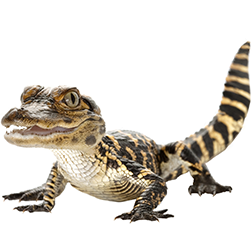
- Crocodilians Think of them as the titans of the reptile world—ancient, powerful, and surprisingly intelligent.
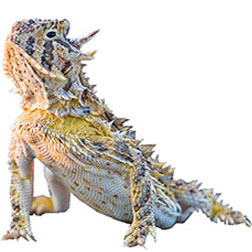
- Lizards From the friendly bearded dragon to the agile anole, lizards bring personality and versatility to reptile ownership.
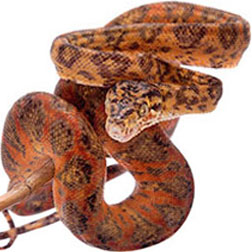
- Snakes Elegant and enigmatic, snakes are low-maintenance pets with a mystique all their own.
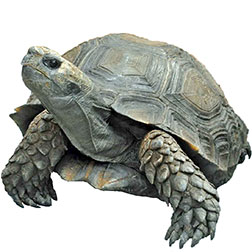
- Tortoises and Turtles These shelled wonders are perfect for owners who prefer a slower-paced, long-term companion.
2. Unique Appeal
Reptiles aren't just pets—they’re a lifestyle. Caring for a reptile means creating a mini-ecosystem in your home. Their specialized needs, from lighting and heating to specific diets, make them fascinating to care for and watch.
3. Educational Opportunities
Reptiles teach patience, responsibility, and respect for nature. They’re excellent pets for families, offering kids a hands-on learning experience about biology, ecosystems, and the importance of conservation.
Overview of the Guide
This guide is divided into sections to provide a thorough overview of the most popular categories of pet reptiles available for purchase from breeders, including
- Crocodilians Alligators, Caimans, and Crocodiles.
- Lizards From Geckos to Monitor Lizards.
- Snakes Boa Constrictors, Pythons, and more.
- Tortoises Iconic slow movers like the Sulcata and Red Foot.
- Turtles Aquatic and terrestrial species, including Box Turtles and Softshells.
Each section will include
- Key Species and their unique traits.
- Habitat Setup Tips Lighting, heating, and enclosure essentials.
- Diet and Nutrition What they eat and how often to feed them.
- Handling and Interaction Tips for bonding with your pet.
- Health and Wellness Common issues and how to prevent them.
What You’ll Learn
By the end of this guide, you’ll know how to
- Choose the right reptile for your lifestyle.
- Create and maintain a perfect reptile habitat.
- Handle and interact with your pet safely.
- Provide optimal nutrition and care for lifelong health.
- Explore ethical breeding practices.
Let’s begin this journey into the fascinating world of pet reptiles with an in-depth look at the crocodilians—the rulers of the reptile kingdom.
II. Understanding Reptiles
What Are Reptiles?
Reptiles are some of the most ancient and diverse creatures on Earth. With their cold-blooded nature and scaly bodies, these animals have fascinated humans for centuries. But what exactly makes a reptile a reptile? Let’s break it down.
Key Characteristics of Reptiles
-
Cold-Blooded Nature (Ectothermic): Reptiles rely on external heat sources to regulate their body temperature. Unlike warm-blooded animals, they can’t produce heat internally, so they bask under a heat lamp or in the sun to stay warm. This is why creating a carefully controlled habitat with the right lighting and temperature is critical for keeping reptiles as pets.
-
Fun Fact: Ever wonder why your pet snake seems sluggish after a chilly night? It’s because cold-blooded animals slow down when temperatures drop, conserving energy until they can warm up again.
-
-
Scaly Skin: Reptiles are covered in scales, which help protect them from predators, dehydration, and harsh environments. These scales come in all shapes, sizes, and colors, making reptiles some of the most visually stunning creatures on the planet.
-
Pro Tip Keeping a reptile’s scales healthy often involves ensuring the right humidity levels in their habitat. Too little moisture can lead to shedding problems!
-
-
Unique Biology: Reptiles breathe air through lungs, even aquatic species like turtles and crocodiles. Most reptiles lay eggs, though some, like certain species of snakes, give birth to live young. Their incredible biological diversity makes reptiles adaptable to a wide range of environments, from deserts to rainforests.
How Reptiles Are Different from Amphibians
Reptiles and amphibians often get lumped together, but they’re as different as day and night! Understanding these differences can help you appreciate your reptile pet even more.
|
Feature |
Reptiles |
Amphibians |
|
Skin |
Dry, covered in protective scales |
Moist, often smooth, and requires water to prevent drying out |
|
Habitat |
Found in diverse environments, including deserts and forests |
Typically live near water or in very damp environments |
|
Reproduction |
Lay hard-shelled or leathery eggs (or live young in some species) |
Lay soft eggs that usually need to be in water |
|
Life Cycle |
Hatchlings are miniature versions of adults |
Undergo metamorphosis (e.g., tadpole to frog) |
|
Breathing |
All reptiles breathe through lungs |
Some amphibians can breathe through their skin |
Why These Differences Matter for Pet Owners
Understanding these distinctions is essential for choosing the right pet and setting up its habitat. Reptiles tend to be more self-sufficient, while amphibians often require a more delicate balance of moisture and temperature.
- Reptile Advantage: With the right care, reptiles can thrive in well-designed, controlled enclosures, making them a great option for both beginners and experienced hobbyists.
- Curiosity Corner: Did you know that the scales on a snake’s belly help it grip surfaces for movement, while a frog’s sticky pads help it cling to leaves? Reptiles and amphibians each have their superpowers, but only reptiles bring that cold-blooded charm to the pet world.
Ready to dive deeper? In the next section, we’ll explore the magnificent Crocodilians—a group of reptiles that have ruled the Earth since the time of dinosaurs!
Reptile Categories in the Pet Trade
Reptiles are a diverse group of animals, and not all of them are suitable for life as a pet. However, several categories of reptiles have been successfully domesticated, becoming favorites among hobbyists and enthusiasts. Here’s a closer look at the main reptile categories available in the pet trade and what makes each of them unique.
1. Crocodilians
Crocodilians, including alligators, caimans, and crocodiles, are some of the most ancient and powerful reptiles on Earth. While these reptiles are awe-inspiring, they are only suitable for highly experienced keepers due to their size, strength, and specific care needs.
- Popular Species in the Pet Trade
- Alligators Known for their broad snouts and relatively docile behavior compared to other crocodilians.
- Caimans Smaller and more manageable than alligators but still requiring significant expertise.
- Crocodiles Rarely kept as pets due to their size and aggressive tendencies.
- Care Highlights Crocodilians need spacious enclosures, access to water for swimming, and a diet of whole prey. They are not beginner-friendly and often require permits for ownership.
2. Lizards
Lizards are one of the most popular reptile groups for pet enthusiasts due to their diversity, manageable care requirements, and engaging personalities. They range from tiny anoles to massive monitor lizards, offering something for every level of experience.
- Subcategories on the American Breeder Website
- Agama Lizard Species Hardy and colorful, perfect for beginner keepers.
- Bearded Dragons The Labrador retrievers of the reptile world—friendly, curious, and easy to handle.
- Chameleon Species Masters of camouflage with specific humidity and lighting needs.
- Gecko Species Includes leopard geckos and crested geckos, both popular for their low-maintenance care.
- Monitor Lizards Intelligent and active but requiring large enclosures.
- Skinks Gentle and easygoing, great for families.
- Care Highlights Most lizards require proper UVB lighting, temperature gradients, and a diet tailored to their species, such as insects, fruits, or vegetables.
3. Snakes
Snakes are elegant and enigmatic, making them fascinating pets. Their low-maintenance care and the availability of stunning morphs make them a favorite among reptile enthusiasts.
- Subcategories on the American Breeder Website
- Boa Snake Species Powerful constrictors with manageable sizes for experienced keepers.
- Corn Snakes Known for their docile nature and vibrant patterns, perfect for beginners.
- Pythons Includes ball pythons, a highly popular species known for their calm demeanor.
- Garter Snakes Small, active, and easy to care for.
- Care Highlights Snakes require secure enclosures, appropriate heating, and a diet of appropriately sized prey like mice or rats.
4. Tortoises
Tortoises are terrestrial reptiles known for their slow pace and long lifespan. They are ideal for keepers with outdoor space and a commitment to their care for decades.
- Popular Species in the Pet Trade
- Sulcata Tortoise Large and hardy, one of the most common pet tortoises.
- Russian Tortoise A smaller species perfect for indoor or outdoor enclosures.
- Red Foot Tortoise Vibrant markings and a friendly disposition make them a favorite.
- Care Highlights Tortoises thrive on a high-fiber diet of leafy greens and vegetables, along with outdoor access for UVB exposure.
5. Turtles
Turtles are a mix of aquatic, semi-aquatic, and terrestrial species, making them incredibly versatile pets. They are perfect for keepers who enjoy watching their pets swim and interact with their environment.
- Subcategories on the American Breeder Website
- Box Turtle Species Semi-aquatic turtles with charming personalities.
- Map and Slider Turtles Aquatic turtles that thrive in well-maintained water setups.
- Softshell Turtles Known for their unique leathery shells.
- Care Highlights Turtles require a clean water habitat, UVB lighting, and a varied diet that often includes aquatic plants, insects, and protein sources.
Choosing the Right Reptile
Each of these categories offers unique traits and care requirements, so it’s important to match your lifestyle and experience level to the species you choose. Whether you’re drawn to the colorful scales of a gecko or the majestic presence of an alligator, there’s a reptile out there that’s perfect for you.
Ready to dive deeper into the specifics? In the next section, we’ll explore the care and habitat setup essentials to ensure your pet reptile thrives!
Are We Missing a Pet Reptile Category?
While the main categories of pet reptiles—Crocodilians, Lizards, Snakes, Tortoises, and Turtles—cover the vast majority of reptiles in the pet trade, it’s worth considering some unique or less common reptile types that don’t neatly fit into these groups. To ensure this guide is as comprehensive as possible, let’s address a couple of nuances and edge cases.
1. Legless Lizards The Overlooked Reptiles
Often mistaken for snakes due to their elongated, legless bodies, legless lizards are technically members of the lizard family. These fascinating reptiles retain subtle differences from snakes, such as movable eyelids and external ear openings, and occasionally appear in the pet trade.
- Why They’re Special Legless lizards combine the slender elegance of snakes with the hardiness of lizards, making them an intriguing option for reptile enthusiasts looking for something unusual.
- Care Requirements Similar to other lizards, they require habitats with proper heating, hiding spaces, and a diet that may include insects or small prey, depending on the species.
2. Tuataras Ancient and Rare
Tuataras, often referred to as “living fossils,” are unique reptiles native to New Zealand. Though they are not commonly available in the pet trade due to their protected status and specialized care needs, they are a notable mention in any ultimate reptile guide.
- Key Traits Unlike most reptiles, tuataras have a third "parietal" eye on their head, used to detect light and regulate circadian rhythms. Their slow metabolism and incredible longevity (some live over 100 years!) make them stand out even among other reptiles.
- Why They’re Rarely Pets Due to their conservation status, they are not typically available for private ownership. However, they highlight the diversity within the reptile world and inspire awe among enthusiasts.
3. Miscellaneous or Rare Reptiles
For breeders who specialize in unique or less common species, there may be reptiles that don’t fall neatly into the five main categories. Some of these include
- Amphisbaenians (Worm Lizards) Rare in the pet trade, these burrowing reptiles are known for their segmented, worm-like bodies and fascinating underground behaviors.
- Other Unique Species Occasionally, reptiles like flying dragons (small lizards with gliding membranes) or unusual gecko species may be advertised by specialized breeders.
Adding a “Miscellaneous Reptiles” category to the American Breeder website could help capture these rare species for enthusiasts seeking something truly out of the ordinary.
Blending It All Together
The diversity of reptiles in the pet trade is astounding, from the powerful crocodilians to the tiniest geckos. While the five main categories cover the most commonly kept pet reptiles, it’s worth keeping an eye out for unique and lesser-known species, like legless lizards or rare breeders’ offerings, that add even more depth to the reptile-keeping world.
III. Crocodilians The Titans of the Reptile World
Introduction to Crocodilians
Crocodilians are the closest living relatives of dinosaurs, embodying a primal majesty that captivates reptile enthusiasts. These ancient creatures, which include alligators, caimans, and crocodiles, have been ruling waterways for over 200 million years. While not the most common choice for a household pet, their fascinating behaviors and undeniable presence make them the ultimate challenge for seasoned reptile keepers.
Overview of Alligators, Caimans, and Crocodiles
Let’s take a closer look at these three distinct yet related crocodilian species and what makes each one unique in the pet trade
- Alligators
- Key Traits Alligators are known for their broad snouts, dark coloration, and relatively docile nature compared to their crocodilian cousins. They can grow to over 13 feet long, although most pet alligators are smaller.
- Personality While not exactly cuddly, alligators are considered more predictable and manageable than crocodiles. They have been known to recognize their caretakers, showcasing surprising levels of intelligence.
- Popular Pet Species The American alligator (Alligator mississippiensis) is the most common species in private ownership.
- Fun Fact Alligators communicate through bellows, grunts, and even vibrations in the water. If you’re lucky enough to own one, you might catch them showing off their vocal prowess!
- Caimans
- Key Traits Caimans are smaller, more compact crocodilians, with some species, like the dwarf caiman, growing to a more manageable size of 4–5 feet. Their armored scales and sharp teeth make them look like tiny, prehistoric tanks.
- Personality Caimans are known for being feisty and require a confident, experienced handler. They are less predictable than alligators, making them more challenging to care for.
- Popular Pet Species The spectacled caiman (Caiman crocodilus) and dwarf caiman (Paleosuchus palpebrosus) are commonly bred for the pet trade.
- Pro Tip If you’re considering a caiman, ensure you have plenty of space for an enclosure that includes both water and land—this species needs room to roam!
- Crocodiles
- Key Traits Crocodiles are the largest and most intimidating members of the crocodilian family, with some species, like the saltwater crocodile, growing up to 20 feet long. Their narrow snouts and lighter coloration distinguish them from alligators.
- Personality Crocodiles are highly intelligent but notoriously aggressive, making them the least suitable for private ownership.
- Popular Pet Species While not common in the pet trade, smaller species like the slender-snouted crocodile (Mecistops cataphractus) may occasionally be available to experienced breeders.
- Curiosity Corner Did you know that crocodiles use tools? They’ve been observed balancing sticks on their snouts to lure birds during nesting season. Who said reptiles can’t be clever?
Legal Considerations for Owning Crocodilians
Owning a crocodilian is no small commitment, and it comes with strict legal requirements and ethical responsibilities. Before adding one of these cold-blooded kings to your family, it’s crucial to understand the rules.
- Permits and Licensing
- Many regions require special permits to own crocodilians, often restricting ownership to educational institutions, zoos, or individuals with professional training. Check with your local wildlife agency to understand the legal framework.
- Pro Tip: Start the application process early—permits can take months to acquire, and inspections of enclosures are often required.
- Size and Zoning Regulations
- Some areas prohibit the ownership of large reptiles entirely. Even if allowed, you may need a property with enough space to accommodate an expansive, reinforced enclosure.
- Real Talk: Crocodilians can grow rapidly and require enclosures that are costly to maintain. Make sure your budget can handle not only the initial setup but ongoing costs.
- Ethical Responsibilities
- Beyond legal requirements, owning a crocodilian means committing to the animal’s welfare for decades. These reptiles often live 40–70 years, so this isn’t a pet you can pass on to the next generation without careful planning.
- Myth-Busting: Crocodilians are not "status symbols" or "guard animals"—they are living beings with complex needs. Respect their power and ensure they have a safe, enriching environment.
Final Thoughts on Crocodilians
Crocodilians are not for the faint of heart, but for the right owner, they offer an unparalleled window into the ancient world. These reptiles demand respect, dedication, and expertise, rewarding their keepers with awe-inspiring displays of strength and intelligence.
Caring for Crocodilians Meeting the Needs of These Cold-Blooded Titans
Owning a crocodilian is a serious commitment, requiring specialized care, a dedicated environment, and strict adherence to safety protocols. These ancient reptiles are powerful, intelligent, and capable of outgrowing their enclosures—and sometimes, their owner’s expectations. Let’s explore the essentials for caring for crocodilians, ensuring their health and happiness while keeping everyone safe.
Space Requirements for Large Enclosures
Crocodilians are not your average pet—they need space, and lots of it. Creating an enclosure that meets their physical and behavioral needs is essential for their well-being.
- Size Matters
- Crocodilians grow quickly, with many species reaching lengths of 5–10 feet within just a few years. Some, like alligators, may eventually exceed 13 feet. Enclosures must account for this growth, providing ample room to move, swim, and bask.
- Minimum Space Recommendations
- Juveniles 6–8 feet long and at least 50% water.
- Adults Enclosures should be several times the length of the crocodilian, with a swimming area that mimics their natural environment.
- Dual Habitat Setup
- Land and Water Balance Crocodilians need both a water area for swimming and a land area for basking.
- Water depth Should allow the animal to fully submerge while still providing shallows for resting.
- Land Must be large enough for the crocodilian to lie down fully stretched.
- Pro Tip Use heavy-duty, reinforced materials for fencing and walls. Crocodilians are strong and capable of breaking through weak enclosures.
- Land and Water Balance Crocodilians need both a water area for swimming and a land area for basking.
- Environmental Enrichment
- Add rocks, logs, and vegetation to mimic their natural habitat and provide hiding spots. Enrichment items, like floating platforms or suspended ropes, encourage physical activity and mental stimulation.
Specialized Diet and Nutrition
Crocodilians are carnivores, and their diet in captivity must replicate their natural feeding habits to ensure proper growth and health.
- Primary Diet
- Juveniles Small prey items like fish, rodents, and insects.
- Adults Larger prey such as whole fish, chicken, or rabbit. Feeding whole prey ensures they receive essential nutrients, including calcium from bones.
- Avoid processed or cooked meats, as these lack the necessary nutrients crocodilians get from whole prey.
- Feeding Frequency
- Juveniles Feed 2–3 times a week in smaller portions.
- Adults Feed once or twice a week, depending on size and activity level. Overfeeding can lead to obesity and health issues.
- Supplements
- Calcium and vitamin D3 are critical for healthy bone growth, especially in young crocodilians. Use supplements if their diet lacks variety or if UVB exposure is insufficient.
Pro Tip: Vary the diet to prevent nutritional deficiencies. Rotate between fish, poultry, and mammals to mimic their natural feeding habits.
Safety Precautions for Handling and Care
Caring for a crocodilian is not just about meeting their needs—it’s also about keeping yourself and others safe. These powerful animals require respect, skill, and proper precautions.
- Handling Basics
- Avoid Unnecessary Handling Crocodilians are not pets to be cuddled or carried. Limit handling to necessary situations, like veterinary care or enclosure maintenance.
- Use Restraint Tools Invest in professional-grade equipment, such as poles, hooks, and restraint straps, for safe handling.
- Enclosure Safety
- Always secure enclosures with locks and latches. Crocodilians are clever and capable of escaping poorly designed habitats.
- Emergency Protocols Have a plan in place for escapes or injuries. Ensure all family members or staff are trained in basic safety measures.
- Interacting with Crocodilians
- Never approach a crocodilian from the front; they can strike with lightning speed.
- Watch for body language Tail flicks, open jaws, or hissing are warning signs to back off.
- Legal and Insurance Considerations
- Check local regulations to ensure you are compliant with ownership laws. Many regions require insurance for liability coverage in case of injury or escape.
- Check local regulations to ensure you are compliant with ownership laws. Many regions require insurance for liability coverage in case of injury or escape.
- Myth-Busting Crocodilians do not "tame" like dogs or cats. While they may become familiar with their keeper, they remain wild animals and should always be treated with caution.
Crocodilian Care in a Nutshell
Providing a healthy and safe environment for a crocodilian is no small task, but for experienced keepers, the rewards are immense. Watching your crocodilian thrive in a habitat you’ve carefully crafted is a uniquely satisfying experience, offering a glimpse into the ancient, untamed world of reptiles.
As we leave the mighty crocodilians behind, it’s time to venture into the colorful, quirky world of Lizards. With their vibrant personalities and incredible diversity, lizards are some of the most popular reptiles in the pet trade. Let’s dive in!
Popular Crocodilian Species for Enthusiasts
While crocodilians as a group demand significant expertise and commitment, a few species have gained popularity among reptile enthusiasts due to their manageability, size, and availability in the pet trade. These species are ideal for experienced keepers ready to invest the time, space, and resources needed to care for these incredible reptiles.
1. American Alligator (Alligator mississippiensis)
- Overview The American alligator is one of the most iconic crocodilian species, renowned for its broad snout, dark coloration, and adaptability. Despite their size, they are surprisingly docile compared to other crocodilians, making them a favorite among serious hobbyists.
- Size Adult males can grow up to 13 feet or more, while females typically reach 8–10 feet.
- Care Highlights
- Large enclosures with ample swimming space are essential.
- A diet of whole prey, including fish, rodents, and poultry, supports their growth and health.
- They thrive in warm climates and require controlled water and basking temperatures.
- Personality Intelligent and observant, American alligators may become accustomed to their caretaker’s presence, showing subtle recognition behaviors.
- Fun Fact American alligators were once endangered but have made a remarkable recovery due to conservation efforts, making them a symbol of success in wildlife management.
2. Spectacled Caiman (Caiman crocodilus)
- Overview: Named for the bony ridge between their eyes resembling spectacles, spectacled caimans are smaller than alligators and slightly more manageable, though they are known for their feisty temperament.
- Size: Adults typically range from 5–8 feet, making them a more compact option for those with limited space.
- Care Highlights
- Spectacled caimans require enclosures with a balance of deep water and dry basking areas.
- Their diet consists of fish, small mammals, and occasional reptiles or amphibians.
- Regular handling and interaction (with caution) can help reduce their natural defensive behavior.
- Personality: Active and inquisitive, spectacled caimans are always on the move, making them fascinating to observe.
- Pro Tip: Due to their bold nature, caimans are better suited for experienced handlers who are confident in managing crocodilian behaviors.
3. Dwarf Crocodile (Osteolaemus tetraspis)
- Overview: The dwarf crocodile is the smallest of the crocodilian family, making it an appealing choice for enthusiasts seeking a more "pet-sized" species. Native to Africa, they are known for their shy and reclusive nature.
- Size: Adults typically grow to 4–5 feet, making them significantly smaller than other crocodilian species.
- Care Highlights
- Their enclosures require dense vegetation and hiding spots to mimic their natural forest habitats.
- Dwarf crocodiles thrive on a diet of fish, amphibians, and invertebrates.
- Humidity is crucial for their well-being, so their habitat must include water features and a controlled environment.
- Personality: Unlike their bold cousins, dwarf crocodiles are more reserved and less active, making them better suited for keepers who enjoy observing rather than interacting.
- Curiosity Corner: Despite their small size, dwarf crocodiles have incredibly strong jaws and should still be handled with great care and respect.
Choosing the Right Crocodilian for Your Expertise
Each of these species offers something unique, whether it’s the docile nature of the American alligator, the boldness of the spectacled caiman, or the compact size of the dwarf crocodile. However, all crocodilians require significant space, specialized care, and a deep understanding of their behaviors and needs.
As a prospective owner, it’s crucial to consider your resources, experience, and long-term commitment before bringing one of these ancient reptiles into your care. If you're ready to meet the challenge, you’ll be rewarded with a truly awe-inspiring connection to the wild.
Next up We shift gears to the vibrant world of Lizards, where dazzling colors, engaging personalities, and manageable care needs make them some of the most popular reptile pets around.
IV. Lizards A World of Color and Personality
Overview of Pet Lizard Species
Lizards are among the most diverse and fascinating reptile pets available, offering a wide range of sizes, behaviors, and care requirements. From the gentle and approachable bearded dragon to the striking and enigmatic chameleon, there’s a lizard for every enthusiast, whether you're a beginner or a seasoned reptile keeper.
Lizards are especially popular due to their wide variety of species and morphs, making them both visually stunning and rewarding to care for. Their adaptability and personality add a dynamic element to reptile ownership, with some species even forming a bond with their keepers.
Differences in Size, Temperament, and Care Needs Across Species
Lizards can vary dramatically, not just in their appearance but also in their behavior and the level of care they require. Understanding these differences is essential for selecting a species that fits your lifestyle and expertise.
- Size Differences
- Small Lizards
- Examples Geckos (e.g., leopard geckos, crested geckos) and Anoles.
- Why They’re Popular Small enclosures, easy handling, and beginner-friendly care.
- Fun Fact Leopard geckos can regrow their tails if they’re lost, a feature that fascinates many first-time owners.
- Medium-Sized Lizards
- Examples Bearded Dragons, Skinks, and Chameleons.
- Why They’re Popular Medium-sized lizards often strike a balance between manageable space requirements and interactive personalities.
- Pro Tip Medium lizards like bearded dragons are known for their friendly demeanor, making them great for families and first-time reptile owners.
- Large Lizards
- Examples Monitor Lizards and Iguanas.
- Why They’re Popular Large lizards are for experienced enthusiasts who want a commanding presence in their pet. They require spacious enclosures and significant investment in care.
- Caution Iguanas can grow up to 6–7 feet and require habitats as large as a small room!
- Temperament Differences
- Docile and Friendly Species
- Bearded Dragons Often described as the “puppies” of the reptile world, these lizards are curious and enjoy interacting with their owners.
- Leopard Geckos Gentle and low-maintenance, perfect for beginners.
- Shy and Reserved Species
- Chameleons Known for their striking appearance and unique behaviors, chameleons prefer minimal handling and a calm environment.
- Anoles Small and delicate, anoles are better suited for observation than regular handling.
- Bold and Active Species
- Monitor Lizards Intelligent and inquisitive, monitors require regular mental stimulation and ample space to roam.
- Agama Species Brightly colored and active, they are entertaining to watch in well-designed habitats.
- Care Requirements
- Simple Needs
- Species Geckos, such as Leopard Geckos and Crested Geckos.
- Why They’re Ideal: These lizards require relatively small enclosures and have straightforward dietary needs, such as live insects and occasional supplements.
- Intermediate Care
- Species: Bearded Dragons, Skinks, and Chameleons.
- Why They’re Ideal: They need UVB lighting, varied diets (insects, vegetables, and fruits), and carefully monitored humidity and temperature levels.
- Advanced Care
- Species: Monitor Lizards and Iguanas.
- Why They’re Challenging: These lizards require large enclosures, specialized diets, and experienced handling. Iguanas, for example, are herbivores with complex dietary needs, while monitors are carnivores that need whole prey for optimal health.
Choosing the Right Lizard for You
Selecting the right lizard comes down to understanding your level of experience, available space, and willingness to commit to their care. Beginners might gravitate toward geckos or bearded dragons, while more seasoned enthusiasts may take on the challenge of a monitor lizard or iguana.
Detailed Care for Each Lizard Subcategory
Lizards are incredibly diverse, with each subcategory offering unique traits, personalities, and care requirements. Below, we dive into the specifics of each major lizard subcategory, ensuring you have the information you need to create the perfect environment for your scaly companion.
Agama Lizard Species
- Overview: Agamas are small to medium-sized lizards known for their vibrant colors, particularly in males during the breeding season.
- Personality: Active and social, they thrive in groups with a clear hierarchy.
- Care Highlights
- Habitat: Semi-arid enclosures with plenty of climbing branches and basking spots.
- Diet: Insectivores with occasional fruits and vegetables.
- Special Notes: Male agamas may display dominance by puffing up or changing colors, adding an interactive element to their care.
Anole Lizard Species
- Overview: Small and delicate, anoles are known for their ability to change colors and their striking dewlap (throat fan) displays.
- Personality: Shy and reserved, they are best suited for observation rather than frequent handling.
- Care Highlights
- Habitat: Arboreal setups with vertical climbing spaces and live plants for cover.
- Diet: Insectivores, requiring a steady supply of small live insects like crickets and fruit flies.
- Special Notes: Ensure proper humidity (60–70%) to prevent dehydration and support shedding.
Bearded Dragon Species
- Overview: Bearded dragons are among the most popular pet lizards, thanks to their friendly and curious nature.
- Personality: Affectionate and interactive, they enjoy handling and may even recognize their owners.
- Care Highlights
- Habitat: Desert-style enclosures with UVB lighting, basking areas, and hides.
- Diet: Omnivorous—feed a mix of insects (crickets, mealworms) and greens (collard greens, dandelions).
- Special Notes: Provide a temperature gradient with basking spots reaching 95–100°F and cooler areas around 75°F.
Chameleons
- Overview: Chameleons are mesmerizing reptiles known for their ability to change color, independently move their eyes, and grasp branches with their prehensile tails.
- Personality: Solitary and sensitive, chameleons require minimal handling to reduce stress.
- Care Highlights
- Habitat: Tall, heavily planted enclosures with plenty of climbing branches.
- Diet: Insectivores—offer a varied diet of gut-loaded insects like crickets and roaches.
- Special Notes: Mist their enclosure frequently to maintain humidity levels of 50–70%. A drip system for drinking water is essential.
Gecko Species
- Leopard Geckos
- Overview: Easy to care for and handle, leopard geckos are perfect for beginners.
- Care Highlights
- Arid enclosures with hiding spots.
- Diet of small insects dusted with calcium supplements.
- No need for UVB lighting, but they benefit from a natural light cycle.
- Special Notes: Their adorable smile and calm temperament make them incredibly endearing.
- Crested Geckos
- Overview: Crested geckos are arboreal and have a quirky, bold personality.
- Care Highlights
- Vertical enclosures with plants and climbing surfaces.
- Omnivorous diet, often catered with specialized crested gecko meal replacements.
- Moderate humidity levels of 50–70%.
- Special Notes Known for their “sticky feet,” they can climb glass and other smooth surfaces effortlessly.
Iguanas
- Overview Iguanas are large, herbivorous lizards that require a significant commitment due to their size and specific care needs.
- Personality Intelligent but independent, they can become tame with consistent handling.
- Care Highlights
- Habitat: Large enclosures (or entire rooms) with sturdy climbing structures and UVB lighting.
- Diet: Strict herbivores, needing leafy greens, vegetables, and occasional fruits.
- Special Notes: Iguanas can grow up to 6–7 feet, so plan for their space needs as they mature.
Monitor Lizard Species
- Overview: Monitor lizards are intelligent and active, often compared to reptilian watchdogs due to their bold and curious nature.
- Personality: Highly intelligent, they require mental and physical stimulation.
- Care Highlights
- Habitat Spacious enclosures with areas for climbing, digging, and basking.
- Diet Carnivorous, requiring whole prey like rodents and fish.
- Special Notes Not beginner-friendly; monitors can be territorial and require experienced handling.
Skink Species
- Overview: Skinks, including the popular blue-tongued skink, are gentle and hardy lizards.
- Personality: Calm and tolerant of handling, skinks make excellent pets for families.
- Care Highlights
- Habitat: Ground-dwelling enclosures with hides and soft substrate for burrowing.
- Diet: Omnivorous, with a mix of insects, vegetables, and fruits.
- Special Notes: Their signature blue tongue is a defense mechanism, flashing it to startle potential predators.
Uromastyx Species
- Overview: Uromastyx lizards, or spiny-tailed lizards, are desert dwellers with a unique diet and striking appearance.
- Personality: Active and personable, they often thrive with consistent care and interaction.
- Care Highlights
- Habitat: Desert-style enclosures with basking spots reaching 100–120°F.
- Diet: Herbivorous, eating seeds, greens, and flowers.
- Special Notes: They enjoy digging and burrowing, so provide a deep, sandy substrate.
Bringing It All Together
Each lizard subcategory offers its own set of challenges and rewards, ensuring there’s a perfect fit for every level of reptile enthusiast. Whether you’re drawn to the playful nature of a gecko, the striking beauty of a chameleon, or the commanding presence of an iguana, understanding their unique needs is the key to providing a healthy and happy home.
Housing and Habitat Design for Lizards
Creating the perfect habitat for your lizard is one of the most rewarding aspects of reptile ownership. Lizards are highly dependent on their environment, and the right setup will not only keep them healthy but also allow their natural behaviors to shine. Let’s dive into the essentials of designing a lizard enclosure that meets their specific needs.
Enclosure Size, Materials, and Layout
- Size Matters
- Lizards vary widely in size, so the enclosure must suit the specific species
- Small Lizards: Geckos and anoles require at least a 10–20-gallon tank for juveniles, with vertical space being key for arboreal species.
- Medium Lizards: Bearded dragons and skinks thrive in 40–75-gallon enclosures.
- Large Lizards: Iguanas and monitor lizards may need custom-built enclosures or entire rooms to accommodate their size and activity levels.
- Lizards vary widely in size, so the enclosure must suit the specific species
- Materials
- Glass Tanks: Ideal for small to medium-sized lizards, providing visibility and easy humidity control.
- PVC or Wood Enclosures: Better for larger species, as they retain heat and are easier to customize.
- Mesh or Screen Enclosures: Necessary for species like chameleons that require high ventilation.
- Layout
- Design the enclosure to mimic the lizard's natural habitat
- Arboreal Species: Include branches, vines, and vertical climbing surfaces.
- Terrestrial Species: Focus on floor space with hides, rocks, and low-lying decorations.
- Burrowing Species: Provide a deep substrate for digging and burrowing.
- Design the enclosure to mimic the lizard's natural habitat
- Pro Tip Always ensure the enclosure has a secure lid or door. Lizards are excellent climbers and escape artists!
Lighting and Heating UVB and Basking Zones
Proper lighting and heating are critical for a lizard’s health, as they rely on external heat sources to regulate their body temperature and UVB light for vitamin D3 production.
- Lighting
- UVB Light
- Essential for species like bearded dragons, chameleons, and iguanas.
- Helps synthesize vitamin D3, preventing metabolic bone disease.
- Position the UVB bulb 10–12 inches from the basking area, replacing it every 6–12 months to ensure effectiveness.
- Day/Night Cycle
- Use a timer to mimic natural day and night cycles, typically 12 hours of light and 12 hours of darkness.
- UVB Light
- Heating
- Basking Zones
- Create a temperature gradient with a basking spot that’s 10–15°F warmer than the rest of the enclosure.
- Examples
- Bearded dragons 95–110°F basking zone.
- Leopard geckos 85–90°F basking zone.
- Chameleons 85–90°F for veiled chameleons, slightly cooler for panther chameleons.
- Cool Zones
- Maintain a cooler area to allow the lizard to regulate its body temperature. For most species, this should be around 75–85°F.
- Maintain a cooler area to allow the lizard to regulate its body temperature. For most species, this should be around 75–85°F.
- Nighttime Temperatures
- For most lizards, nighttime temps can drop to 65–75°F, depending on their natural habitat.
- For most lizards, nighttime temps can drop to 65–75°F, depending on their natural habitat.
- Heating Devices
- Ceramic heat emitters, heat lamps, or under-tank heaters are common options. Ensure heating elements are safely installed to prevent burns.
- Basking Zones
- Humidity
- Maintain species-specific humidity levels using misting systems, foggers, or hand-misting
- Low humidity (20–40%) Bearded dragons, uromastyx.
- Moderate humidity (50–70%) Leopard geckos, skinks.
- High humidity (70–90%) Chameleons, anoles.
- Maintain species-specific humidity levels using misting systems, foggers, or hand-misting
Substrates and Safe Decorations
- Substrate Options
- Best Choices
- Reptile Carpet Easy to clean and safe for most species.
- Paper Towels/Newspaper Ideal for young or sick lizards.
- Coconut Fiber or Eco-Earth Excellent for burrowing species.
- Sand Mixes Use reptile-safe sand mixed with soil for species like uromastyx or bearded dragons.
- Avoid
- Loose substrates like pure sand, gravel, or wood shavings, which can cause impaction if ingested.
- Loose substrates like pure sand, gravel, or wood shavings, which can cause impaction if ingested.
- Best Choices
- Safe Decorations
- Climbing Structures
- Branches, driftwood, and vines for arboreal species.
- Ensure all wood is treated or sanitized to remove pests or mold.
- Hides
- Provide multiple hides for security, one in the warm zone and one in the cool zone.
- Provide multiple hides for security, one in the warm zone and one in the cool zone.
- Rocks and Platforms
- Smooth, flat rocks are perfect for basking.
- Smooth, flat rocks are perfect for basking.
- Live or Artificial Plants
- Enhance the habitat’s appearance while providing hiding spots. Ensure live plants are non-toxic if ingested.
- Enhance the habitat’s appearance while providing hiding spots. Ensure live plants are non-toxic if ingested.
- Climbing Structures
- Enrichment
- Rotate decorations periodically to stimulate natural curiosity.
- Add interactive elements like hanging vines or small logs for exploration.
Bringing the Habitat to Life
Designing your lizard’s enclosure is more than just meeting their basic needs—it’s about creating a miniature ecosystem where they can thrive and display natural behaviors. By tailoring the habitat to your lizard’s specific species, you ensure a happy, healthy pet that will captivate you with their unique personality and habits.
Dietary Needs for Lizards Fueling Their Unique Appetites
A well-balanced diet is essential for keeping your lizard healthy and thriving. Lizards vary significantly in their dietary requirements, depending on their species, size, and natural habits. Whether herbivorous, insectivorous, or omnivorous, understanding their specific needs will ensure they receive the proper nutrition for growth, activity, and long-term health.
1. Herbivorous Lizards
Herbivorous lizards, such as iguanas and uromastyx, rely entirely on plant-based diets to meet their nutritional needs.
- Diet Basics
- Focus on dark, leafy greens like collard greens, mustard greens, and dandelion greens.
- Incorporate a variety of vegetables such as squash, bell peppers, and zucchini.
- Offer occasional fruits (e.g., mango, berries, or papaya) as treats, but limit these to avoid excess sugar.
- Avoid
- Iceberg lettuce (lacks nutrients).
- Rhubarb or spinach (contain oxalates, which can interfere with calcium absorption).
- Pro Tip Herbivores thrive on high-fiber diets. Ensure fresh greens and vegetables make up 80–90% of their meals.
2. Insectivorous Lizards
Insectivorous species, such as geckos, chameleons, and anoles, primarily feed on live insects. Their high-protein diet fuels their active lifestyles and fast metabolisms.
- Diet Basics
- Feed a variety of live insects, including crickets, dubia roaches, mealworms, waxworms, and black soldier fly larvae.
- Gut-load insects with nutrient-rich foods like carrots, leafy greens, or commercial gut-loading formulas before offering them to your lizard.
- Offer appropriately sized prey—generally no larger than the width of your lizard’s head.
- Feeding Frequency
- Juveniles Feed daily to support rapid growth.
- Adults Feed 3–4 times per week, depending on species and activity level.
- Pro Tip Include occasional soft-bodied insects like silkworms or hornworms for variety and hydration.
3. Omnivorous Lizards
Omnivorous lizards, like bearded dragons and some skinks, have a flexible diet that includes both plant-based and animal-based foods. This versatility makes them relatively easy to feed but requires careful balance to avoid overfeeding protein or sugar.
- Diet Basics
- 50% insects Crickets, roaches, and mealworms are staple proteins.
- 40% vegetables Collard greens, kale, squash, and sweet potatoes are excellent options.
- 10% fruits Berries, apples, and melon can be occasional treats.
- Feeding Frequency
- Juveniles Require more protein and frequent feedings (daily).
- Adults Shift to a higher percentage of greens and feed 3–4 times a week.
- Pro Tip: Monitor weight and adjust the balance of protein and greens to maintain optimal health.
4. Supplements Calcium, Vitamin D3, and Multivitamins
Supplements are vital for preventing common health issues like metabolic bone disease (MBD) and ensuring your lizard receives all the nutrients they need.
- Calcium
- Essential for strong bones, calcium is particularly critical for juvenile and egg-laying lizards.
- Dust prey or greens with calcium powder 3–5 times per week.
- Tip Use calcium without vitamin D3 if your lizard has proper UVB exposure; use calcium with D3 if UVB lighting is insufficient.
- Vitamin D3
- Helps reptiles absorb calcium. Lizards exposed to adequate UVB lighting naturally produce D3, but supplemental D3 is crucial for those without consistent exposure.
- Use sparingly—over-supplementation can cause toxicity.
- Multivitamins
- Provide a broad spectrum of essential vitamins and minerals.
- Dust food with a multivitamin supplement once or twice a week, depending on the species and diet.
Additional Feeding Tips
- Hydration
- Ensure access to fresh, clean water at all times.
- Mist species like chameleons and anoles to provide drinking opportunities.
- Feeding Hygiene
- Remove uneaten food promptly to prevent mold, bacteria, or pest infestations.
- Remove uneaten food promptly to prevent mold, bacteria, or pest infestations.
- Observation
- Monitor eating habits and adjust portion sizes or variety if your lizard shows signs of weight loss or overfeeding.
Healthy Lizards, Happy Owners
A well-fed lizard is a healthy lizard! Whether munching on leafy greens, stalking live insects, or enjoying a balanced mix of both, proper nutrition is key to their vitality and longevity. By tailoring their diet to their species and supplementing as needed, you’ll provide the foundation for a thriving companion.
Behavior and Social Interaction Understanding Your Lizard’s World
Lizards are complex creatures with unique behaviors, social cues, and ways of interacting with their environment. By learning to recognize their natural habits and identifying signs of stress or illness, you can provide better care and strengthen the bond with your reptilian companion.
Recognizing Natural Behaviors
- Body Language
- Basking Stretching out under a heat source is a sign of thermoregulation. A basking lizard is a comfortable lizard.
- Tail Wagging
- Leopard Geckos A slow wag means they’re interested in food or exploring, while a fast wag often signals aggression or stress.
- Bearded Dragons A raised tail shows excitement or alertness.
- Head Bobbing
- Common in bearded dragons, this is often a sign of dominance or communication, especially during mating season.
- Color Changes
- Chameleons may change color due to mood, stress, or environmental factors like temperature.
- Chameleons may change color due to mood, stress, or environmental factors like temperature.
- Exploration
- Lizards are naturally curious, often exploring their enclosures. Active exploration is a positive sign of health and engagement.
- Lizards are naturally curious, often exploring their enclosures. Active exploration is a positive sign of health and engagement.
- Burrowing or Hiding
- Species like skinks and uromastyx enjoy digging and burrowing as part of their daily routine.
- Providing hides and digging substrates encourages these behaviors, which can reduce stress.
- Interaction with Humans
- Some species, like bearded dragons and leopard geckos, enjoy gentle handling and may actively approach their owners.
- Others, such as chameleons, are solitary by nature and may prefer minimal interaction.
Recognizing Stress in Lizards
Lizards can experience stress from improper care, environmental changes, or frequent handling. Common signs include
- Behavioral Signs
- Hiding Excessively: More than usual could indicate stress or illness.
- Aggression: Tail whipping, hissing, or gaping (open mouth) are defensive behaviors.
- Lethargy: Lack of movement or unwillingness to bask or explore.
- Physical Signs
- Color Changes: Dull or darkened coloration in species like bearded dragons can indicate stress or improper temperatures.
- Loss of Appetite: A stressed lizard may refuse food.
- Rapid Breathing: Indicates fear or discomfort.
- Environmental Triggers
- Inconsistent temperature or humidity levels.
- Overcrowding or lack of hiding spots.
- Frequent handling in species that prefer solitude.
Recognizing Illness
Early detection of illness can prevent severe health issues and improve recovery chances. Keep an eye out for the following signs
- General Signs of Illness
- Weight loss or a sunken appearance.
- Changes in eating or drinking habits.
- Swollen joints or deformities (potential signs of metabolic bone disease).
- Respiratory Issues
- Wheezing, bubbling at the nose, or gaping mouth may indicate a respiratory infection, often caused by improper humidity or temperatures.
- Wheezing, bubbling at the nose, or gaping mouth may indicate a respiratory infection, often caused by improper humidity or temperatures.
- Shedding Problems
- Retained shed around toes or tails can cause circulation problems. Ensure humidity levels are appropriate, especially for species like geckos or chameleons.
- Retained shed around toes or tails can cause circulation problems. Ensure humidity levels are appropriate, especially for species like geckos or chameleons.
- Skin Conditions
- Discoloration, sores, or flaky patches could indicate parasites, infections, or substrate irritation.
Building Positive Social Interaction
- Handling Techniques
- Start Slowly: Allow your lizard to acclimate to your presence before attempting to handle them.
- Support Their Body: Always support the lizard’s body fully, avoiding pressure on their tail or limbs.
- Time Your Handling: Handle during their active hours to avoid disturbing their rest.
- Limit Stress: Handle species like chameleons sparingly, focusing instead on creating a comfortable environment.
- Creating Trust
- Hand Feeding: Offer treats like mealworms or fruits to build positive associations.
- Frequent Observation: Sit near their enclosure to get them accustomed to your presence without direct interaction.
- Enrichment and Engagement
- Rotate decorations in their enclosure to keep their environment stimulating.
- Add live plants or interactive feeding opportunities, such as dangling insects or hiding food.
Understanding Your Lizard’s Needs
By observing and responding to your lizard’s behavior, you’ll gain deeper insight into their unique personality and preferences. Recognizing signs of stress, illness, or contentment allows you to make adjustments and provide an environment that supports their well-being. Remember, patience is key—building trust and understanding with your lizard takes time but offers immense rewards.
Next, we’ll dive into the world of snakes, exploring their elegance, care requirements, and the joy they bring to reptile enthusiasts. Let’s slither into the next section!
V. Snakes Elegance in Motion
Overview of Pet Snake Species
Snakes are among the most captivating and misunderstood reptiles in the pet world. With their smooth, scale-covered bodies, graceful movements, and diverse range of sizes and patterns, snakes make excellent pets for both beginners and experienced reptile enthusiasts. From small, docile corn snakes to majestic ball pythons and powerful boa constrictors, there is a snake species for every level of keeper.
Why Snakes Are Popular as Pets
The popularity of snakes as pets has grown significantly over the years, thanks to their unique characteristics and the manageable care they require. Here’s why snake enthusiasts can’t get enough of these fascinating reptiles
- Breathtaking Beauty
- Snakes come in an incredible array of colors, patterns, and morphs that rival the finest works of art. Whether it’s the vibrant reds of a corn snake or the hypnotic patterns of a python, snakes add a touch of exotic elegance to any home.
- Fun Fact Some species, like the rainbow boa, even have iridescent scales that shimmer in the light.
- Ease of Care
- Snakes are relatively low-maintenance compared to other pets. They don’t require daily walks, grooming, or frequent feeding.
- Many species eat only once a week, and their enclosures are easy to clean with proper setup and maintenance.
- Pro Tip Choose a beginner-friendly species, like the corn snake or ball python, to start your snake-keeping journey.
- Diverse Species for All Levels
- The pet snake world offers something for everyone
- Beginners: Corn snakes and garter snakes are gentle, hardy, and easy to care for.
- Intermediate Keepers: Ball pythons and king snakes offer stunning patterns and manageable size.
- Advanced Enthusiasts: Boas and larger pythons, like the reticulated python, provide a rewarding challenge for experienced handlers.
- This diversity means you can always find a species that matches your experience level and preferences.
- The pet snake world offers something for everyone
- Fascinating Behavior
- Snakes are more than just beautiful—they’re also fascinating to observe. From their unique feeding methods to their ability to climb, burrow, or swim, snakes exhibit behaviors that captivate their owners.
- Curiosity Corner: Did you know that snakes use their forked tongue to “taste” the air, helping them track prey and understand their surroundings?
- Compact Companions
- Unlike larger reptiles, many snake species are perfectly suited for small spaces. A medium-sized enclosure is often sufficient for most pet snakes, making them ideal for apartments or homes with limited room.
- Unlike larger reptiles, many snake species are perfectly suited for small spaces. A medium-sized enclosure is often sufficient for most pet snakes, making them ideal for apartments or homes with limited room.
- Longevity
- Many snakes, like ball pythons and boas, can live 20 years or more with proper care, making them long-term companions for dedicated owners.
Thoughts on Why Snakes Make Great Pets
Snakes are an excellent choice for reptile enthusiasts who value beauty, simplicity, and the opportunity to care for one of nature’s most remarkable creatures. Their manageable care requirements, stunning appearance, and diverse range of species make them a popular option for keepers of all levels.
In the next part, we’ll dive deeper into the specifics of snake care, from housing and habitat setup to dietary needs, so you can provide the perfect home for your slithery friend. Let’s keep exploring!
Detailed Care for Each Snake Subcategory
With their striking appearances and unique behaviors, snakes offer an extraordinary variety of species for reptile enthusiasts. Each subcategory of pet snakes has its own distinct care requirements, making it crucial to understand their specific needs. Here’s a closer look at the most popular snake subcategories and how to provide them with the best care.
1. Boa Snake Species
- Overview Boas, including the popular boa constrictor, are medium to large snakes known for their muscular build and beautiful patterns. They’re relatively docile and thrive in captivity with proper care.
- Size Typically 6–10 feet as adults, though some species stay smaller.
- Care Highlights
- Enclosure: Provide a spacious enclosure, at least 6–8 feet long for adults, with climbing opportunities and hiding spots.
- Diet: Feed appropriately sized rodents or rabbits, depending on their size, every 2–3 weeks for adults.
- Special Notes: Boas need a temperature gradient of 78–88°F with a basking spot around 90°F.
- Pro Tip: Handle boas regularly to maintain their calm demeanor, but always support their body fully.
2. Corn Snake Species
- Overview: Corn snakes are among the most popular beginner snakes, celebrated for their gentle nature, manageable size, and vibrant morphs.
- Size: Typically 4–6 feet as adults.
- Care Highlights:
- Enclosure: A 20–40-gallon tank works well for adults, with plenty of hiding spots and climbing branches.
- Diet: Feed small rodents, like pinkies or adult mice, every 7–10 days.
- Special Notes: They thrive in temperatures of 75–85°F and don’t require UVB lighting, though it can enhance their health.
- Fun Fact: Corn snakes are skilled escape artists—always secure their enclosure with a tight-fitting lid!
3. Garter Snake Species
- Overview: Garter snakes are small, active, and highly adaptable, making them a unique choice for keepers who enjoy observing their snake’s behavior.
- Size: Usually 2–4 feet as adults.
- Care Highlights
- Enclosure: A 20-gallon tank with a water feature for swimming is ideal.
- Diet: Feed a mix of small fish, earthworms, and frozen/thawed pinky mice.
- Special Notes: Maintain moderate humidity levels and a temperature gradient of 70–85°F.
- Pro Tip: Avoid feeding exclusively fish, as it can lead to nutritional deficiencies. Diversify their diet for optimal health.
4. King Snake Species
- Overview: King snakes are known for their striking banded patterns and versatility. They’re hardy, easy to care for, and tolerate handling well.
- Size: Typically 3–5 feet as adults.
- Care Highlights
- Enclosure: A 20–30-gallon tank with secure hiding spots is sufficient for adults.
- Diet: Feed small to medium rodents every 7–10 days.
- Special Notes: King snakes are opportunistic feeders and may attempt to eat other snakes, so house them alone.
- Fun Fact: King snakes are immune to venom and can prey on venomous snakes in the wild!
5. Milk Snake Species
- Overview: Milk snakes are a close relative of king snakes, often featuring vibrant red, black, and white bands that mimic venomous coral snakes (a form of Batesian mimicry).
- Size: Usually 3–5 feet as adults.
- Care Highlights
- Enclosure: A 20–30-gallon tank with plenty of ground cover for burrowing.
- Diet: Feed rodents of appropriate size every 7–10 days.
- Special Notes: Maintain a temperature gradient of 75–85°F with a slightly cooler area at night.
- Curiosity Corner Milk snakes get their name from an old myth that they drank milk from cows—completely untrue but a fun historical tidbit!
6. Python Species
- Ball Python
- Overview: Ball pythons are a top choice for beginners due to their docile nature and manageable size.
- Size: Typically 3–5 feet as adults.
- Care Highlights
- Enclosure: A 40-gallon tank with secure hides and a temperature gradient of 75–90°F.
- Diet: Feed small to medium rodents every 10–14 days.
- Special Notes: Ball pythons can go through fasting periods; as long as they maintain healthy weight, this is normal.
- Reticulated Python
- Overview: The longest snake species in the world, reticulated pythons are a stunning yet advanced choice for experienced keepers.
- Size: Can exceed 20 feet and weigh over 100 pounds as adults.
- Care Highlights
- Enclosure: Custom-built enclosures are a must, with climbing space and a large water feature.
- Diet: Feed large prey like rabbits every 3–4 weeks.
- Special Notes: Always handle reticulated pythons with a second person for safety due to their size and strength.
7. Rat Snake Species
- Overview: Rat snakes are hardy and active, often appreciated for their role in controlling rodent populations in the wild. They’re excellent for intermediate keepers.
- Size: Usually 4–6 feet as adults.
- Care Highlights
- Enclosure: Provide a 30–40-gallon tank with climbing branches and secure hides.
- Diet: Feed rodents every 7–10 days.
- Special Notes: Rat snakes are highly active and benefit from spacious enclosures to explore.
- Pro Tip: These snakes are highly adaptable to a variety of environments, making them easy to care for with the right setup.
Finding the Right Snake for You
Each snake subcategory brings something special to the table, from the beginner-friendly corn snake to the awe-inspiring reticulated python. When choosing your pet snake, consider your experience level, available space, and the time you can dedicate to their care. With proper knowledge and attention, these fascinating reptiles make incredible, low-maintenance companions.
Next, we’ll explore snake housing and habitat design, covering everything from enclosure size to environmental needs. Let’s continue the journey!
Habitat Requirements for Snakes Creating a Comfortable and Safe Environment
Providing the right habitat is crucial for your snake's health and well-being. Each species has unique requirements for space, temperature, humidity, and enrichment, but a well-designed enclosure can help mimic their natural environment and encourage natural behaviors.
Terrarium Size Matching the Enclosure to the Species
- General Guidelines
- The size of the terrarium should allow the snake to stretch out fully and move comfortably.
- As a rule of thumb, the enclosure’s length and width combined should be equal to or greater than the length of the snake.
- Size Recommendations by Species
- Small Snakes: (e.g., corn snakes, garter snakes)
- Juveniles 10–20 gallons.
- Adults 20–40 gallons.
- Medium Snakes: (e.g., ball pythons, king snakes)
- Juveniles 20 gallons.
- Adults 40–75 gallons.
- Large Snakes: (e.g., boa constrictors, reticulated pythons)
- Custom enclosures of 6–8 feet in length, with adequate height for climbing species.
- Custom enclosures of 6–8 feet in length, with adequate height for climbing species.
- Small Snakes: (e.g., corn snakes, garter snakes)
- Pro Tip Overcrowding can cause stress, so always provide a habitat suited to the snake’s size and behavior. Bigger is often better for active or arboreal species.
Heating Maintaining Proper Temperature Gradients
Snakes are ectothermic, meaning they rely on external heat sources to regulate their body temperature. Providing a temperature gradient within the enclosure is essential for their health.
- Basking Spots
- Create a warm zone for basking using heat lamps or ceramic heat emitters.
- Ideal Basking Temperatures
- Corn snakes, king snakes 85–90°F.
- Ball pythons, boas 88–92°F.
- Garter snakes, milk snakes 80–85°F.
- Cool Zones
- Include a cooler area within the enclosure where temperatures are 10–15°F lower than the basking zone.
- This allows the snake to regulate its body temperature by moving between zones.
- Nighttime Temperatures
- Gradual nighttime drops to 70–75°F are acceptable for most species, though tropical species may require slightly higher nighttime temperatures.
- Gradual nighttime drops to 70–75°F are acceptable for most species, though tropical species may require slightly higher nighttime temperatures.
- Heating Methods
- Under-Tank Heaters: (UTH) Great for ground-dwelling snakes like ball pythons.
- Heat Lamps: Ideal for larger enclosures or arboreal species.
- Ceramic Heat Emitters: Provide heat without light, maintaining nighttime conditions.
- Safety Tip: Always use a thermostat to control heat sources and prevent overheating, which can cause burns or dehydration.
Humidity Control Meeting the Needs of Each Species
Maintaining proper humidity is critical for healthy shedding and respiratory health. Different species have varying humidity requirements
- Humidity Ranges
- Low Humidity (30–50%) Corn snakes, king snakes.
- Moderate Humidity (50–70%) Ball pythons, boas.
- High Humidity (70–90%) Garter snakes, reticulated pythons.
- Tips for Controlling Humidity
- Increase Humidity
- Use a larger water bowl or add a humid hide filled with damp moss.
- Mist the enclosure lightly, especially during shedding cycles.
- Include live plants or a partially covered terrarium lid to retain moisture.
- Decrease Humidity
- Improve ventilation with a screen lid.
- Reduce the size of the water bowl or move it away from the heat source.
- Increase Humidity
- Hydration Tip Always provide clean, fresh water in a sturdy, spill-resistant bowl large enough for the snake to soak in if needed.
Safe Hiding Spots and Climbing Structures
- Hiding Spots
- Snakes require secure hiding places to feel safe and reduce stress.
- Provide at least two hides
- One in the warm zone for basking.
- One in the cool zone for thermoregulation.
- Use naturalistic materials like cork bark, resin caves, or terracotta pots with smooth edges.
- Climbing Structures
- Ground-Dwelling Species
- Focus on floor space and low hides.
- Examples Corn snakes, ball pythons.
- Arboreal Species
- Include branches, vines, and platforms for climbing.
- Examples Garter snakes, reticulated pythons.
- Semi-Arboreal Species
- Combine both ground and climbing elements for versatility.
- Examples King snakes, milk snakes.
- Ground-Dwelling Species
- Enrichment Items
- Smooth rocks for basking.
- Substrate for burrowing species like milk snakes.
- Water features for species like garter snakes that enjoy swimming.
- Safety Tips
- Avoid sharp or abrasive materials that can injure your snake.
- Ensure all climbing structures are stable and can support the snake’s weight.
Creating a Habitat That Feels Like Home
By tailoring the terrarium size, temperature, and layout to your snake’s natural needs, you’ll create a stress-free and enriching environment where they can thrive. Whether they’re basking under a heat lamp, exploring a branch, or resting in a cozy hide, a well-designed habitat ensures your snake feels secure and healthy.
In the next section, we’ll explore dietary needs for snakes, including feeding schedules, proper prey sizes, and nutritional tips for maintaining your snake’s health. Let’s continue!
Diet and Feeding Schedule for Snakes Feeding Your Slithery Companion
A snake’s diet is straightforward yet essential to its overall health. Understanding species-specific requirements and feeding techniques ensures your snake receives the right nutrition while reducing stress during mealtime. Let’s explore the key elements of feeding snakes, from choosing the right prey to setting an appropriate feeding schedule.
Live vs. Frozen-Thawed Prey
- Frozen-Thawed Prey A Safer and Convenient Option
- Why Choose Frozen-Thawed?
- Safer for the snake Live prey can bite or injure your snake, especially if it’s not immediately subdued.
- More convenient Frozen-thawed prey can be stored for extended periods, reducing the need for frequent trips to the pet store.
- Humane Prey is humanely euthanized before freezing, eliminating unnecessary stress for both the snake and the prey.
- How to Prepare Frozen-Thawed Prey
- Thaw in warm water until it reaches room temperature.
- Never microwave prey—it can unevenly heat or create hotspots.
- Use feeding tongs to offer the prey to your snake, mimicking natural movement.
- Why Choose Frozen-Thawed?
- Live Prey When and Why It’s Used
- When It’s Necessary
- Some snakes, especially wild-caught or finicky eaters, may only recognize live prey as food.
- Some snakes, especially wild-caught or finicky eaters, may only recognize live prey as food.
- Safety Tips for Live Feeding
- Never leave live prey unsupervised in the enclosure.
- Remove uneaten prey promptly to avoid injuries to your snake.
- When It’s Necessary
- Pro Tip Transitioning from live to frozen-thawed prey is often possible with patience and persistence. Start by wiggling frozen-thawed prey with feeding tongs to simulate movement.
Species-Specific Feeding Intervals and Techniques
Snakes have varying feeding needs based on their species, size, and age. Understanding these differences is crucial for maintaining their health and preventing over- or underfeeding.
- Feeding Intervals
- Juveniles
- Require more frequent meals to support rapid growth.
- Feeding interval Every 5–7 days.
- Adults
- Eat less frequently as their growth slows.
- Feeding interval Every 7–14 days, depending on species and size.
- Large Species (e.g., boas, pythons)
- Can eat larger prey and may require feeding only every 3–4 weeks.
- Juveniles
- Species Examples
- Corn Snakes and King Snakes
- Juveniles Every 5–7 days.
- Adults Every 7–10 days.
- Ball Pythons
- Juveniles Every 5–7 days.
- Adults Every 10–14 days.
- Boa Constrictors
- Juveniles Every 7–10 days.
- Adults Every 2–4 weeks.
- Garter Snakes
- Juveniles Every 3–5 days.
- Adults Every 5–7 days (due to their faster metabolism).
- Corn Snakes and King Snakes
- Prey Size
- Offer prey that is about the same width as the snake’s widest point.
- Avoid prey that is too large, as it can cause regurgitation or injury.
- Feeding Techniques
- Use feeding tongs to avoid accidental bites and to simulate prey movement.
- Feed in a separate enclosure (feeding tub) to prevent the snake from associating its primary enclosure with food, reducing the risk of defensive strikes.
- For arboreal species like green tree pythons, offer prey at an elevated position to match their natural feeding habits.
- Hydration
- Snakes don’t drink often, but always provide a bowl of fresh, clean water for hydration.
- Some species, like garter snakes, may soak in their water bowls, which can also aid in shedding.
Common Feeding Challenges and Solutions
- Refusal to Eat
- Common in ball pythons or during the breeding season.
- Solutions
- Offer prey of a different type (e.g., mice instead of rats).
- Ensure the snake’s habitat is at optimal temperature and humidity.
- Feed in a quiet, dimly lit environment to reduce stress.
- Regurgitation
- Caused by stress, improper temperatures, or feeding prey that is too large.
- Solutions
- Wait at least 48 hours after handling before feeding.
- Provide appropriate prey size.
- Ensure a proper temperature gradient in the enclosure.
- Overfeeding
- Leads to obesity and health problems.
- Solution Stick to a consistent feeding schedule and avoid feeding treats or oversized prey.
Feeding Your Snake with Confidence
Feeding your snake is more than just providing sustenance—it’s an opportunity to observe their natural hunting behaviors and strengthen your bond. By offering the right prey type, maintaining a consistent schedule, and adjusting for species-specific needs, you’ll ensure your snake stays healthy and content.
Next, we’ll explore handling and behavior tips, teaching you how to interact with your snake safely and build trust. Let’s keep slithering forward!
Handling and Behavior Building Trust with Your Snake
Handling your snake is an important part of care, providing opportunities to bond while ensuring your pet remains comfortable and calm in your presence. However, understanding safe handling practices and recognizing behavioral cues is key to fostering a positive relationship and avoiding stress or injury.
Safe Handling Practices for Docile and Larger Species
- General Handling Tips for All Snakes
- Approach Gently Always approach your snake from the side, avoiding sudden movements that might startle them.
- Support Their Body Use both hands to support their entire body, focusing on distributing their weight evenly. Never grab or squeeze.
- Be Patient Allow the snake to adjust to your presence before picking them up, especially if they seem hesitant.
- Timing Matters Avoid handling after feeding (wait at least 48 hours) or during shedding, as they may feel vulnerable and stressed.
- Handling Docile Species
- Corn Snakes and Ball Pythons
- These snakes are known for their calm demeanor, making them ideal for frequent handling.
- Short, consistent handling sessions (10–15 minutes) help them become accustomed to being held.
- Leopard Geckos or Smaller Species
- Use gentle, shorter sessions to prevent tiring or stressing smaller snakes.
- Always provide them with time to explore your hands naturally without overhandling.
- Corn Snakes and Ball Pythons
- Handling Larger Species
- Boas and Pythons
- Use caution when handling larger snakes, as their size and strength require additional support and care.
- For snakes over 8 feet long, always have a second person present during handling to ensure safety.
- Safe Practices
- Keep their head away from your face and maintain awareness of their movements.
- Avoid wearing strong perfumes or lotions, which can irritate their sensitive senses.
- Pro Tip Use a hook to gently lift and move larger snakes if they’re in a defensive or shy state.
- Boas and Pythons
Understanding Signs of Stress or Aggression
Snakes communicate their discomfort or stress through body language and behavioral cues. Recognizing these signs allows you to adjust your approach and create a safer, more comfortable environment.
- Signs of Stress
- Hiding or Avoidance
- Retreating to a hide or burrowing frequently can indicate stress.
- Solution Check environmental factors like temperature, humidity, and enclosure setup.
- Refusal to Eat
- Stress or improper handling can lead to skipped meals.
- Solution Avoid handling during feeding days and minimize disturbances in their environment.
- Hiding or Avoidance
- Signs of Aggression
- Hissing
- A warning sound indicating the snake feels threatened.
- Solution Give them space and time to calm down before attempting to interact.
- S-Shaped Body Posture
- Indicates the snake is preparing to strike.
- Solution Avoid further interaction until the snake feels safe.
- Tail Rattling or Vibrating
- Mimics a rattlesnake’s defense mechanism, signaling fear or agitation.
- Solution Retreat and reassess their environment for potential stressors.
- Hissing
- Defensive Strikes
- Defensive strikes are rare but can happen if the snake feels cornered or threatened.
- Solution Use a snake hook for initial interactions with new or shy snakes, gradually building trust.
Tips for Building Trust and Confidence
- Regular, Gentle Handling
- Consistent handling helps your snake associate your presence with safety and predictability.
- Begin with short sessions, gradually increasing the duration as they become more comfortable.
- Interactive Feeding
- Using tongs to feed your snake can help build positive associations between you and their environment.
- Respect Their Boundaries
- Some snakes, like ball pythons, are naturally shy and may need more time to adjust to handling.
- Others, like corn snakes, may warm up more quickly and enjoy exploring outside their enclosure.
- Environment Matters
- Ensure their enclosure is secure, properly heated, and includes ample hiding spots. A well-adjusted snake is more likely to tolerate handling.
A Bond Like No Other
Handling your snake isn’t just about care—it’s about building a relationship based on trust and respect. By understanding their body language and providing a safe, controlled environment, you’ll create positive interactions that benefit both you and your slithery companion.
Next, we’ll explore snake health and wellness, diving into common health issues, preventative care, and when to seek professional help. Let’s ensure your snake stays happy and healthy for years to come!
VI. Tortoises Gentle Giants of the Reptile World
Introduction to Tortoises
Tortoises are beloved for their slow, deliberate movements and endearing personalities. As land-dwelling reptiles, they are uniquely adapted to dry environments and are among the most long-lived pets available, with some species surpassing a century in age. Their docile nature and relatively low-maintenance care make them a popular choice for reptile enthusiasts of all experience levels.
Differences Between Tortoises and Turtles
While tortoises and turtles share similarities as members of the chelonian family, they have distinct characteristics that set them apart
- Habitat
- Tortoises Strictly land-dwelling, preferring arid or semi-arid environments. They do not swim and require enclosures that replicate dry, terrestrial conditions.
- Turtles Semi-aquatic or fully aquatic, relying on water for movement, feeding, and survival. Turtles often have webbed feet for swimming.
- Physical Features
- Tortoises Possess dome-shaped, heavy shells designed for protection on land. Their sturdy, elephant-like legs are built for walking and digging.
- Turtles Typically have flatter, lighter shells for streamlined swimming and webbed or flipper-like feet for aquatic mobility.
- Diet
- Tortoises Primarily herbivorous, feeding on grasses, leafy greens, and vegetables.
- Turtles Omnivorous, consuming a mix of plant material, insects, and fish.
- Lifespan
- Tortoises often outlive turtles, with many species living 50–100+ years in captivity.
- Behavior
- Tortoises are known for their calm and solitary nature, while turtles may exhibit more active or social behaviors in aquatic settings.
The Appeal of Long-Lived, Low-Maintenance Pets
Tortoises have a timeless charm that makes them unique among reptiles. Here’s why they captivate pet owners
- Longevity
- Tortoises are a lifetime commitment—and beyond. Many species, like the Sulcata Tortoise and Aldabra Giant Tortoise, can live for over a century. For families, they become cherished multigenerational companions.
- Ease of Care
- Unlike some reptiles that require intricate setups, tortoises thrive in relatively straightforward environments. As long as their diet, heat, and UVB needs are met, they are hardy and adaptable.
- Pro Tip Outdoor enclosures for species like the Russian Tortoise allow them to bask in natural sunlight and forage, reducing the need for constant monitoring.
- Personality
- Tortoises exhibit curious and endearing behaviors, often investigating their surroundings and recognizing their keepers over time. Their calm demeanor makes them a joy to observe.
- Unique Aesthetics
- From the golden shell of the Golden Greek Tortoise to the intricate patterns of the Indian Star Tortoise, tortoises are living art pieces that add beauty to any home or garden.
A Special Kind of Companion
Tortoises embody patience, resilience, and grace, making them ideal for owners who appreciate their gentle charm. Their unique combination of simplicity and longevity offers a deeply rewarding experience for those ready to care for these remarkable reptiles.
In the next section, we’ll explore detailed care for various tortoise species, diving into habitat design, dietary needs, and species-specific tips. Let’s continue!
Popular Pet Tortoise Species: Choosing the Right Companion
Tortoises come in a variety of sizes, patterns, and temperaments, each offering something unique for prospective pet owners. Whether you’re drawn to the compact and hardy nature of the Russian Tortoise or the impressive size of the Sulcata Tortoise, there’s a species to match every lifestyle and level of expertise.
1. Black Greek Tortoise (Testudo graeca graeca)
- Overview The Black Greek Tortoise, a subspecies of the Mediterranean tortoise, is admired for its dark, glossy shell and manageable size. It’s a great choice for beginner tortoise owners.
- Size Typically grows to 5–7 inches.
- Lifespan 50–70 years with proper care.
- Care Highlights
- Habitat: Requires a warm, dry enclosure with a basking area of 90–95°F and an ambient temperature of 75–85°F.
- Diet: Herbivorous, thriving on leafy greens like kale, dandelion, and collard greens, supplemented with occasional vegetables.
- Pro Tip: Provide plenty of hiding spots and a shallow water dish for hydration.
2. Sulcata Tortoise (Centrochelys sulcata)
- Overview: Also known as the African Spurred Tortoise, the Sulcata is one of the largest tortoise species available as a pet. Its massive size and friendly demeanor make it a popular choice for experienced keepers.
- Size: Can grow up to 30 inches and weigh over 100 pounds.
- Lifespan: 70–100+ years.
- Care Highlights
- Habitat: Requires a large outdoor enclosure with dry, sandy soil and sturdy fencing. Basking temperatures should reach 95–100°F, with cooler zones around 75°F.
- Diet: Grazes on grasses, hay, and leafy greens, with occasional treats like hibiscus flowers.
- Special Notes: Sulcatas are burrowers and need a safe area to dig. Their size demands significant space and resources, making them best suited for dedicated owners.
3. Leopard Tortoise (Stigmochelys pardalis)
- Overview Known for their striking, spotted shells, Leopard Tortoises are mid-sized and make excellent pets for those with some tortoise-keeping experience.
- Size Typically grows to 10–18 inches, though larger specimens can reach 24 inches.
- Lifespan 50–75 years.
- Care Highlights
- Habitat: Prefers a warm, arid environment. Outdoor enclosures are ideal in warmer climates, with basking temperatures of 90–95°F.
- Diet: Grazers that eat grasses, weeds, and leafy greens. Avoid high-protein foods to prevent shell deformities.
- Pro Tip: Provide UVB lighting indoors to support healthy shell and bone growth.
4. Russian Tortoise (Testudo horsfieldii)
- Overview Compact and hardy, the Russian Tortoise is an excellent choice for beginners and families. Its small size and manageable care requirements make it highly popular.
- Size Typically 5–8 inches.
- Lifespan 40–50 years.
- Care Highlights
- Habitat: Thrives in both indoor and outdoor enclosures. Basking areas should reach 90–95°F, with an ambient temperature of 70–80°F.
- Diet: Strictly herbivorous, enjoying a diet of dark leafy greens, grasses, and flowers.
- Special Notes: Known for their adventurous personalities, Russian Tortoises love exploring their enclosures.
5. Indian Star Tortoise (Geochelone elegans)
- Overview With a shell that features beautiful star-like patterns, the Indian Star Tortoise is one of the most visually stunning species. Its shy and docile nature makes it a rewarding pet for dedicated keepers.
- Size Typically grows to 6–12 inches.
- Lifespan 50–80 years.
- Care Highlights
- Habitat: Prefers high humidity (60–80%) with temperatures of 80–90°F. Provide a mix of shaded areas and basking spots.
- Diet: Primarily grasses and leafy greens, supplemented with calcium-rich vegetables.
- Pro Tip: Avoid excessive handling, as this species is prone to stress.
6. Red-Footed Tortoise (Chelonoidis carbonarius)
- Overview Red-Footed Tortoises are named for the distinctive red or orange scales on their legs. They are adaptable and relatively easy to care for, making them a favorite among intermediate keepers.
- Size Typically 10–14 inches, with some reaching up to 16 inches.
- Lifespan 50–70 years.
- Care Highlights
- Habitat: Requires moderate humidity (50–70%) and temperatures between 80–90°F. Incorporate shaded areas and a shallow water dish for soaking.
- Diet: Omnivorous—feed a mix of leafy greens, fruits, and occasional protein sources like cooked eggs or snails.
- Special Notes: Their inquisitive and social nature makes them engaging pets.
Finding Your Perfect Tortoise
Each tortoise species has its own charm and care needs, from the compact Russian Tortoise to the commanding Sulcata. When selecting your tortoise, consider your available space, climate, and commitment to their long lifespan. With proper care and attention, your tortoise will be a cherished companion for decades—or even a lifetime.
Next, we’ll explore habitat requirements for tortoises, including enclosure design, substrate, and environmental control. Let’s keep learning!
Habitat Design for Tortoises Creating a Comfortable Home
Designing the right habitat for your tortoise is essential to ensure their health, comfort, and happiness. Whether you’re setting up an outdoor enclosure to let them bask in natural sunlight or creating a cozy indoor space, proper planning is key. Let’s explore the essentials of tortoise habitat design.
Outdoor Versus Indoor Setups
Tortoises thrive in environments that mimic their natural habitats, and your choice between an outdoor or indoor setup will depend on the species, your local climate, and the space available.
- Outdoor Setups
- Benefits
- Access to natural sunlight for UVB exposure.
- Space for grazing and exploring.
- Provides opportunities for natural behaviors, like burrowing and basking.
- Key Features
- Secure Enclosure
- Use sturdy, predator-proof fencing that is at least 12 inches below ground to prevent burrowing escapes.
- Ensure the walls are tall enough to prevent climbing.
- Shaded Areas
- Include shaded zones to allow the tortoise to retreat from the sun and regulate their body temperature.
- Grazing Opportunities
- Plant tortoise-safe grasses, weeds, and flowers such as clover, dandelions, and hibiscus.
- Water Source
- Provide a shallow water dish for drinking and soaking.
- Secure Enclosure
- Best for
- Species like Sulcata Tortoises, Leopard Tortoises, and Russian Tortoises that thrive in warm, arid environments.
- Species like Sulcata Tortoises, Leopard Tortoises, and Russian Tortoises that thrive in warm, arid environments.
- Benefits
- Indoor Setups
- Benefits
- Provides a controlled environment, ideal for colder climates or species requiring high humidity.
- Easier to monitor and manage.
- Key Features
- Spacious Enclosure
- Choose a large terrarium, tortoise table, or custom-built setup.
- Minimum size At least 8–10 times the tortoise’s shell length in floor space.
- Substrate
- Use a mix of soil, coconut coir, and sand for burrowing species.
- Avoid substrates like wood chips or gravel, which can cause impaction if ingested.
- Ventilation
- Ensure proper airflow to prevent mold and regulate humidity.
- Spacious Enclosure
- Best for
- Smaller species like the Black Greek Tortoise or tropical species like the Red-Footed Tortoise that need consistent temperature and humidity levels.
- Benefits
Providing UVB Light
UVB light is critical for tortoises, enabling them to synthesize vitamin D3 and absorb calcium for healthy shell and bone growth.
- Natural UVB
- Outdoor enclosures naturally provide UVB exposure. Ensure your tortoise has access to direct sunlight for several hours daily.
- Pro Tip: Shade from glass or mesh filters UVB rays, so avoid using enclosures with solid roofs outdoors.
- Artificial UVB for Indoor Setups
- Use UVB bulbs designed for reptiles, such as 10.0 UVB tubes or mercury vapor bulbs.
- Position the bulb 10–12 inches from the basking area, ensuring there is no glass or plastic barrier.
- Replace bulbs every 6–12 months, as UVB output diminishes over time.
- Supplemental Heat
- Combine UVB lighting with a heat source, like a ceramic heat emitter or basking lamp, to create a temperature gradient in the enclosure.
Hiding Spots and Grazing Areas
- Hiding Spots
- Tortoises need secure spaces to feel safe and escape from heat or cold.
- Options
- Wooden hides, clay pots, or rock caves.
- Artificial burrows for species like the Sulcata Tortoise that naturally burrow.
- Placement
- Include at least two hides one in the warm zone and one in the cool zone of the enclosure.
- Include at least two hides one in the warm zone and one in the cool zone of the enclosure.
- Grazing Areas
- Outdoor setups should include tortoise-safe plants and grasses.
- For indoor habitats
- Use a tray or container with live, pesticide-free grasses.
- Rotate fresh greens daily to simulate natural grazing behavior.
Environmental Control
- Temperature Regulation
- Maintain a gradient
- Basking area 90–100°F.
- Ambient temperature 75–85°F.
- Nighttime temperature 65–75°F (species-dependent).
- Use thermostats and thermometers to monitor and control heat sources.
- Maintain a gradient
- Humidity Management
- Tropical species like Red-Footed Tortoises require 50–70% humidity, while desert species like Russian Tortoises thrive at 20–40%.
- Tips
- Use humid hides and mist the enclosure for tropical species.
- Increase ventilation or use a dehumidifier for arid species.
- Water Access
- Provide a shallow water dish that’s large enough for soaking but easy to enter and exit.
- Change the water daily to prevent bacteria buildup.
Designing a Habitat Your Tortoise Will Love
A well-designed habitat encourages natural behaviors, reduces stress, and ensures your tortoise stays healthy and active. Whether basking in the sunlight, exploring grazing areas, or retreating to a shaded hide, your tortoise will thrive in an environment tailored to its needs.
In the next section, we’ll delve into tortoise dietary requirements, including species-specific feeding plans and nutritional tips to keep your tortoise healthy. Let’s keep learning!
Dietary Needs for Tortoises Fueling Their Herbivorous Lifestyle
Tortoises are strict herbivores, thriving on a diet rich in fibrous greens, grasses, and occasional fruits. Providing a balanced and varied diet not only ensures their health but also replicates the foraging habits they would exhibit in the wild. Let’s explore the essentials of feeding your tortoise.
Herbivorous Diets Grasses, Vegetables, and Occasional Fruits
- Staple Foods Grasses and Leafy Greens
- Tortoises rely on fibrous plants as the foundation of their diet.
- Examples of Ideal Greens
- Dandelion greens
- Kale
- Collard greens
- Mustard greens
- Turnip greens
- Grasses
- Bermuda grass
- Timothy hay
- Orchard grass
- Pro Tip Offer a mix of grasses and leafy greens daily to mimic their natural grazing patterns.
- Vegetables
- Vegetables should complement their diet, adding variety and nutrients.
- Safe Vegetables
- Squash
- Zucchini
- Bell peppers
- Carrots (in moderation)
- Cactus pads (nopales), an excellent source of hydration and fiber.
- Preparation
- Wash all produce thoroughly to remove pesticides or residues.
- Chop vegetables into bite-sized pieces for smaller tortoises.
- Fruits Occasional Treats
- While tortoises enjoy fruits, they should be offered sparingly due to their high sugar content.
- Examples of Safe Fruits
- Strawberries
- Papaya
- Mango
- Blueberries
- Watermelon (seedless)
- Limitations
- Tropical species, like the Red-Footed Tortoise, can tolerate fruits more frequently.
- Desert species, like the Sulcata Tortoise, should have fruit rarely to prevent digestive issues.
- Calcium-Rich Foods
- Calcium is essential for shell and bone health, especially for growing or egg-laying tortoises.
- Natural Sources
- Kale
- Collard greens
- Dandelion greens
- Cactus pads
- Supplementation
- Sprinkle calcium powder on their food 2–3 times a week.
- Use calcium with or without vitamin D3 based on their UVB exposure.
Avoiding Toxic Plants and Foods
Tortoises are not always instinctively aware of what is safe to eat. As a responsible owner, it’s vital to avoid foods and plants that could harm them.
- Toxic Plants
- Many common garden and household plants are toxic to tortoises.
- Examples to Avoid
- Rhubarb (high oxalate content)
- Azaleas
- Oleander
- Ivy
- Daffodils
- Foxglove
- Pro Tip Check your outdoor enclosure for any potentially toxic weeds or flowers before allowing your tortoise to graze.
- Harmful Foods
- Some human foods and vegetables are unsuitable for tortoises due to their high phosphorus, oxalate, or protein content.
- Examples to Avoid
- Iceberg lettuce (low in nutrients)
- Spinach (inhibits calcium absorption)
- Broccoli (can cause goiters in large quantities)
- Cabbage
- High-protein foods like dog or cat food (can lead to shell deformities and kidney damage).
- Fruits to Avoid
- Citrus fruits (irritate the digestive system).
- Citrus fruits (irritate the digestive system).
- Preventing Overfeeding
- Overfeeding, especially with sugary fruits or high-calcium foods, can cause obesity or health issues like pyramiding (abnormal shell growth).
- Stick to a consistent feeding schedule and provide food in moderation.
Hydration and Water Needs
- Water Access
- Always provide fresh, clean water in a shallow, sturdy dish. This allows tortoises to drink and soak without risk of drowning.
- Change the water daily to prevent bacteria buildup.
- Soaking
- Regular soaking helps maintain hydration and supports healthy shedding.
- Juveniles benefit from soaking 2–3 times a week, while adults may only need weekly soaks.
Crafting the Perfect Tortoise Diet
A healthy tortoise diet is all about balance plenty of fibrous greens, occasional vegetables, and just a hint of fruit for variety. By avoiding toxic foods and ensuring consistent hydration, you’ll provide the foundation for a long, healthy life for your shelled companion.
Next, we’ll explore tortoise behavior and social interaction, offering tips for understanding their habits and ensuring they feel at ease in their environment. Let’s continue!
Behavior and Interaction: Understanding and Bonding with Your Tortoise
Tortoises may appear slow and steady, but they have distinct personalities and behavioral quirks that make them fascinating companions. By understanding their natural behaviors and learning how to bond with them, you can build a trusting and rewarding relationship with your tortoise.
Recognizing Territorial Behaviors
Tortoises are solitary by nature and can exhibit territorial behaviors, especially in the presence of other tortoises or when their environment feels threatened. Understanding these behaviors helps you manage their habitat and interactions effectively.
- Common Territorial Behaviors
- Head Bobbing
- A sign of dominance, often seen in male tortoises asserting control over their space.
- Ramming
- Males may ram others as a display of dominance or during mating behavior. This is common in species like Sulcata Tortoises.
- Chasing
- Tortoises may chase other tortoises to assert their territory. This can lead to stress if not managed.
- Hissing
- A defensive behavior, often paired with withdrawing into their shell. This can occur if they feel threatened by other tortoises or even humans.
- A defensive behavior, often paired with withdrawing into their shell. This can occur if they feel threatened by other tortoises or even humans.
- Head Bobbing
- Managing Territoriality
- Space Matters
- Provide ample space, especially in shared enclosures. Overcrowding can heighten territorial behaviors.
- Separate When Necessary
- If aggression becomes excessive, house tortoises separately to reduce stress and prevent injuries.
- Enrichment and Distractions
- Adding visual barriers like plants or rocks can help break up sightlines and reduce confrontations.
- Space Matters
Bonding with Your Tortoise
While tortoises are not as interactive as dogs or cats, they can recognize their owners and build trust over time. Bonding requires patience, consistency, and understanding their cues.
- Building Trust
- Gentle Interactions
- Move slowly and calmly around your tortoise. Sudden movements can cause stress or defensive behaviors.
- Offer Food by Hand
- Hand-feeding leafy greens or treats like hibiscus flowers can help your tortoise associate you with positive experiences.
- Routine Care
- Regular feeding, enclosure cleaning, and observation help your tortoise become accustomed to your presence.
- Regular feeding, enclosure cleaning, and observation help your tortoise become accustomed to your presence.
- Gentle Interactions
- Understanding Their Signals
- Curiosity
- If your tortoise approaches you or seems to watch your movements, they may be curious and comfortable in your presence.
- Retreating into the Shell
- A sign of stress or fear. Allow your tortoise time to feel safe before interacting further.
- Following Movements
- Some tortoises may follow their owners around their enclosure or yard, showing a level of comfort and interest.
- Some tortoises may follow their owners around their enclosure or yard, showing a level of comfort and interest.
- Curiosity
- Physical Interaction
- Gentle Handling
- Pick up your tortoise by securely supporting its body and shell, avoiding sudden or jerky movements.
- Short Sessions
- Limit handling to a few minutes at a time to avoid overstressing your tortoise, especially for shy species like the Russian Tortoise.
- Respect Their Space
- Tortoises are not inherently social animals, so it’s essential to respect their need for solitude.
- Tortoises are not inherently social animals, so it’s essential to respect their need for solitude.
- Gentle Handling
- Providing Enrichment
- Interactive Feeding
- Scatter greens or vegetables around their enclosure to encourage natural foraging behaviors.
- Environmental Changes
- Rotate decorations, hides, and grazing areas to stimulate curiosity and exploration.
- Safe Outdoor Time
- Allow your tortoise to explore a secure outdoor space for natural behaviors like basking and digging.
- Interactive Feeding
Understanding and Appreciating Your Tortoise’s Personality
Tortoises are unique, independent animals that thrive when their environment meets their natural needs. By recognizing their territorial tendencies and approaching interaction with patience and care, you’ll build a rewarding relationship with your shelled companion. Over time, your tortoise may come to see you as a source of safety, nourishment, and even curiosity.
Next, we’ll begin exploring turtles, diving into their care, habitat needs, and the joys of keeping these aquatic marvels as pets. Let’s keep the momentum going!
VII. Turtles Graceful Swimmers and Fascinating Companions
Introduction to Turtles
Turtles have captivated reptile enthusiasts for generations with their unique blend of aquatic grace and terrestrial charm. Unlike their land-dwelling tortoise relatives, turtles are adapted for life in or near water, boasting streamlined shells and webbed feet or flippers for swimming. From serene sliders to hardy box turtles, these creatures make engaging pets for those willing to meet their specific care needs.
The Appeal of Aquatic and Semi-Aquatic Species
Turtles are highly diverse, offering something for every reptile lover. Their ability to thrive in both aquatic and terrestrial environments provides an intriguing glimpse into nature’s adaptability.
- Unique Characteristics
- Aquatic Turtles
- Spend most of their time in the water, only coming ashore to bask or lay eggs.
- Known for their agile swimming and vibrant patterns, such as the striking red markings of the Red-Eared Slider.
- Semi-Aquatic Turtles
- Divide their time between land and water, with species like the Eastern Box Turtle enjoying both environments.
- Ideal for owners who want to observe a mix of behaviors.
- Aquatic Turtles
- Engaging Behaviors
- Basking Watching turtles climb onto logs or rocks to soak up the sun (or basking lamps) is both calming and entertaining.
- Swimming Their graceful movements underwater showcase their agility and adaptability.
- Interactive Personalities
- Some turtles, like sliders, become accustomed to their owners and may eagerly swim to the front of their tank at feeding time.
- Some turtles, like sliders, become accustomed to their owners and may eagerly swim to the front of their tank at feeding time.
- Variety in Size and Appearance
- Turtles range from compact species like the Musk Turtle to larger ones like the Softshell Turtle.
- Their unique shell patterns and colors make them visually stunning pets.
- Low-Maintenance Pets (with Proper Setup)
- While turtles require a well-maintained habitat, their care routines are relatively predictable once their environment is properly established.
- Many species are hardy and long-lived, making them excellent companions for dedicated owners.
- Educational and Family-Friendly
- Turtles provide a hands-on way to learn about aquatic ecosystems, making them ideal pets for families and educators.
- Observing their behaviors fosters appreciation for nature and encourages responsibility in younger keepers.
A World of Possibilities with Turtles
Whether you’re drawn to the vibrant colors of the Painted Turtle, the calm demeanor of the Map Turtle, or the compact appeal of the Musk Turtle, these reptiles offer a unique window into the world of semi-aquatic life. In the next section, we’ll dive deeper into popular turtle species, highlighting their characteristics and care needs. Let’s keep exploring!
Popular Pet Turtle Species: Discovering the Perfect Shelled Companion
Turtles are as diverse as they are fascinating, with species varying in size, behavior, and care requirements. Whether you’re looking for a colorful aquatic swimmer or a hardy terrestrial explorer, there’s a turtle species for every enthusiast. Let’s dive into some of the most popular turtles kept as pets.
1. Box Turtles (Genus Terrapene)
- Overview Box turtles are semi-aquatic and known for their domed shells and hinged plastrons, allowing them to fully retract into their shell for protection. They are hardy and ideal for intermediate keepers.
- Size Typically 4–7 inches.
- Lifespan 30–50 years, with some living over 70 years in captivity.
- Care Highlights
- Habitat Thrive in outdoor or large indoor enclosures with access to both land and water. Humidity should be maintained at 60–80%.
- Diet Omnivorous, enjoying a mix of leafy greens, fruits, and protein sources like earthworms or insects.
- Pro Tip Provide plenty of hiding spots and shaded areas to replicate their natural forest floor habitat.
2. Map Turtles (Genus Graptemys)
- Overview Named for the intricate, map-like patterns on their shells, Map Turtles are highly active swimmers and make a visually stunning addition to aquatic setups.
- Size
- Females 6–10 inches.
- Males 3–6 inches.
- Lifespan 20–30 years.
- Care Highlights
- Habitat Require a spacious aquatic setup with clean, well-filtered water and basking areas. Water temperatures should be maintained at 75–80°F, with basking spots reaching 85–90°F.
- Diet Omnivorous, feeding on aquatic plants, insects, and commercial turtle pellets.
- Fun Fact Map Turtles are shy by nature, so avoid frequent handling to prevent stress.
3. Slider Turtles (Genus Trachemys)
- Overview Slider turtles, including the ever-popular Red-Eared Slider, are some of the most common pet turtles due to their hardiness and vibrant coloration. They’re excellent for beginners with the right setup.
- Size Typically 6–12 inches.
- Lifespan 20–40 years.
- Care Highlights
- Habitat Require a large aquatic enclosure with plenty of swimming space, basking areas, and UVB lighting. A 75–100-gallon tank is ideal for adults.
- Diet Omnivorous—offer turtle pellets, leafy greens, and occasional protein sources like feeder fish or insects.
- Pro Tip Red-Eared Sliders are highly interactive and often recognize their owners at feeding time.
4. Softshell Turtles (Family Trionychidae)
- Overview Known for their smooth, leathery shells and long necks, Softshell Turtles are agile swimmers and fascinating pets for experienced keepers.
- Size
- Small species 5–8 inches.
- Large species Up to 24 inches (e.g., Spiny Softshell Turtle).
- Lifespan 20–30 years.
- Care Highlights
- Habitat Need a spacious aquatic enclosure with a soft, sandy substrate for burrowing and resting. Water should be clean and well-filtered.
- Diet Carnivorous, feeding on fish, insects, and aquatic invertebrates.
- Special Notes Softshells are more delicate than hard-shelled turtles and require pristine water conditions to prevent infections.
5. Musk Turtles (Genus Sternotherus)
- Overview Musk turtles, like the Common Musk Turtle (or Stinkpot), are small, hardy, and perfect for keepers with limited space. They are primarily aquatic but enjoy climbing and basking occasionally.
- Size 3–5 inches.
- Lifespan 20–50 years.
- Care Highlights
- Habitat A 20–30-gallon tank with shallow water and basking areas is sufficient. Water temperatures should be 75–80°F.
- Diet Omnivorous—feed on commercial turtle pellets, aquatic plants, and insects.
- Fun Fact They get their nickname "Stinkpot" from a musky odor they release when threatened.
6. Painted Turtles (Chrysemys picta)
- Overview Named for their vibrant red and yellow markings, Painted Turtles are one of the most beautiful and widely kept pet turtle species.
- Size 4–10 inches.
- Lifespan 20–30 years.
- Care Highlights
- Habitat Need a spacious aquatic setup with basking areas. Water temperatures should be 75–80°F, with basking spots at 85–90°F.
- Diet Omnivorous—feed leafy greens, commercial pellets, and live insects.
- Pro Tip Painted Turtles are active baskers, so ensure their basking area has a stable, non-slip surface.
7. Wood Turtles (Glyptemys insculpta)
- Overview Wood Turtles are semi-aquatic and known for their intelligent and curious nature. They are best suited for intermediate or advanced keepers.
- Size Typically 5–9 inches.
- Lifespan 40–60 years.
- Care Highlights
- Habitat Require a mixed enclosure with access to both water and land. Humidity should be kept moderate, and temperatures should range between 70–85°F.
- Diet Omnivorous, enjoying fruits, greens, and protein sources like worms or insects.
- Special Notes They enjoy exploring and need a stimulating environment with plenty of enrichment opportunities.
Finding the Right Turtle for You
Each turtle species has its own unique charm and care requirements. Whether you’re captivated by the vibrant Painted Turtle or the curious Wood Turtle, the key to successful turtle ownership lies in understanding their needs and creating an environment where they can thrive.
Next, we’ll explore habitat requirements for turtles, covering tank size, water filtration, basking setups, and more. Let’s continue!
Habitat and Aquarium Design Crafting the Perfect Home for Your Turtle
Creating a comfortable and functional habitat is essential for your turtle’s health and happiness. Whether your turtle is aquatic, terrestrial, or semi-aquatic, their enclosure should replicate their natural environment, meeting specific needs for swimming, basking, and resting. Let’s dive into the essentials of designing their habitat.
Aquatic Versus Terrestrial Enclosures
- Aquatic Enclosures
- Best suited for species like Red-Eared Sliders, Map Turtles, and Softshell Turtles that spend most of their time in water.
- Key Features
- Tank Size
- Provide a minimum of 10 gallons of water per inch of shell length.
- Example An adult Red-Eared Slider (8–12 inches) requires at least an 80–120-gallon tank.
- Water Depth
- Deep enough for swimming but with areas shallow enough for resting.
- Turtles like Painted Turtles are excellent swimmers and benefit from deeper water.
- Basking Platforms
- Include a sturdy, dry platform where turtles can fully emerge from the water to bask under UVB lighting.
- Tank Size
- Pro Tip Ensure the tank has a secure, escape-proof lid, as some turtles are surprisingly skilled climbers.
- Terrestrial Enclosures
- Ideal for primarily land-dwelling species like Box Turtles.
- Key Features
- Space
- A large, shallow enclosure with both dry and moist areas.
- For outdoor setups, provide a secure, predator-proof area with plenty of shade and water access.
- Substrate
- Use a mix of soil, coconut coir, and moss to allow digging and burrowing.
- Avoid loose substrates like sand, which can cause impaction if ingested.
- Water Dish
- A shallow water dish for soaking and hydration is essential.
- A shallow water dish for soaking and hydration is essential.
- Space
- Semi-Aquatic Enclosures
- For species like Wood Turtles and Box Turtles that require both land and water.
- Key Features
- Divide the enclosure into land and water sections, with smooth transitions between the two.
- Ensure the water area is shallow enough for easy access and exit.
Filtration Systems for Aquatic Enclosures
Clean water is critical for the health of aquatic and semi-aquatic turtles. A reliable filtration system reduces waste buildup and prevents illnesses caused by poor water quality.
- Types of Filters
- Canister Filters
- Ideal for large tanks, providing powerful filtration and customizable media options.
- Highly efficient for turtles, which produce more waste than fish.
- Internal Filters
- Suitable for smaller tanks, though less effective for larger species or heavily stocked setups.
- Hang-On-Back Filters
- Great for mid-sized tanks, offering a balance between affordability and efficiency.
- Great for mid-sized tanks, offering a balance between affordability and efficiency.
- Canister Filters
- Filtration Tips
- Choose a filter rated for at least twice the volume of the tank due to turtles’ high waste output.
- Combine mechanical, biological, and chemical filtration for optimal water quality.
- Perform partial water changes weekly (20–30%) to maintain cleanliness.
- Pro Tip Add live plants like anacharis or hornwort to help with natural water filtration and oxygenation, but monitor for nibbling if your turtle is an avid plant eater.
Basking Platforms and Lighting
- Basking Platforms
- Purpose
- Turtles bask to regulate their body temperature and absorb UVB light, which is essential for synthesizing vitamin D3 and maintaining strong bones and shells.
- Design Tips
- Choose a platform made of non-toxic materials that is stable and supports the turtle’s weight.
- Provide a ramp or easy access for turtles to climb onto the basking area.
- Ensure the platform allows the turtle to dry completely, preventing shell rot.
- Purpose
- Lighting Requirements
- UVB Lighting
- UVB light is critical for preventing metabolic bone disease (MBD).
- Use a 10.0 UVB bulb positioned 10–12 inches from the basking area.
- Replace UVB bulbs every 6–12 months, as their output diminishes over time.
- Heat Lamps
- Maintain basking temperatures between 85–95°F, depending on the species.
- Use a ceramic heat emitter or incandescent bulb.
- Day-Night Cycle
- Provide 10–12 hours of light daily to replicate natural daylight.
- Provide 10–12 hours of light daily to replicate natural daylight.
- UVB Lighting
- Additional Accessories
- Floating logs or rocks for resting.
- Thermometers to monitor water and basking temperatures.
Creating a Balanced Environment
Whether your turtle spends its days gliding through water or exploring land, a well-designed habitat is the foundation of their health and happiness. By balancing aquatic and terrestrial features, ensuring proper filtration, and offering ample basking opportunities, you’ll provide an enriching environment for your shelled companion.
Next, we’ll explore dietary needs for turtles, discussing species-specific feeding routines, nutritional requirements, and safe food choices. Let’s continue!
Dietary Requirements for Turtles: A Balanced Approach to Nutrition
Turtles are omnivores, herbivores, or carnivores depending on their species, and their diet should mimic what they would eat in the wild. Providing a balanced, species-specific diet is essential for their growth, shell health, and overall well-being. Let’s explore the key components of a nutritious diet for pet turtles.
The Basics of a Balanced Diet
- Commercial Pellets
- Purpose
- High-quality commercial turtle pellets provide a reliable source of essential vitamins and minerals.
- Choosing the Right Pellets
- Look for pellets specifically formulated for your turtle’s species (e.g., aquatic versus semi-aquatic turtles).
- Avoid pellets with excessive fillers like corn or soy, which provide little nutritional value.
- Feeding Tip
- Pellets should make up about 25–50% of your turtle’s diet, depending on their species and dietary needs.
- Pellets should make up about 25–50% of your turtle’s diet, depending on their species and dietary needs.
- Purpose
- Leafy Greens
- Why They’re Important
- Greens are a vital source of fiber, calcium, and other nutrients for herbivorous and omnivorous turtles.
- Examples of Safe Greens
- Collard greens
- Dandelion greens
- Mustard greens
- Turnip greens
- Kale (in moderation)
- Feeding Tip
- Offer a variety of greens to prevent boredom and ensure a range of nutrients.
- Offer a variety of greens to prevent boredom and ensure a range of nutrients.
- Why They’re Important
- Protein Sources
- Essential for Growth
- Protein is crucial for carnivorous and omnivorous turtles, especially juveniles that require it for development.
- Examples of Protein Sources
- Feeder fish (avoid fatty species like goldfish)
- Earthworms
- Insects (e.g., crickets, mealworms, or silkworms)
- Cooked, unseasoned chicken or shrimp (as an occasional treat)
- Feeding Tip
- Limit protein intake for adult turtles, as excessive protein can lead to shell deformities or kidney issues.
- Essential for Growth
Species-Specific Dietary Needs
- Aquatic Turtles (e.g., Red-Eared Sliders, Painted Turtles)
- Omnivorous species that require a mix of protein, plants, and pellets.
- Diet Breakdown
- Juveniles Higher protein intake (50–70% of the diet).
- Adults Shift to a plant-heavy diet (70–80%), with protein offered occasionally.
- Semi-Aquatic Turtles (e.g., Box Turtles, Wood Turtles)
- Diet varies between species but often includes a mix of leafy greens, fruits, and protein.
- Diet Breakdown
- 60–70% vegetables and greens.
- 10–20% fruits like strawberries, blueberries, or apples (in moderation).
- 10–20% protein sources.
- Carnivorous Turtles (e.g., Softshell Turtles)
- Primarily consume animal protein, with occasional plant material.
- Diet Breakdown
- 80–90% protein (fish, insects, and invertebrates).
- 10–20% vegetables or aquatic plants.
Avoiding Harmful Foods
Turtles can be sensitive to certain foods, which may harm their digestive systems or overall health. Avoid the following
- Toxic Foods
- Rhubarb
- Avocado
- Tomato leaves and stems
- Onions and garlic
- Nutrient-Lacking Foods
- Iceberg lettuce (low in nutrients and can cause diarrhea).
- Processed human food like bread or dairy products.
- Fatty Proteins
- Avoid feeding fatty fish like goldfish, which can cause health issues over time.
Supplementing Their Diet
- Calcium
- Essential for strong shells and bones.
- Provide a cuttlebone in their tank for chewing or sprinkle calcium powder on their food 2–3 times per week.
- Vitamin D3
- Vital for calcium absorption.
- Ensure your turtle has access to UVB lighting or natural sunlight for at least 10–12 hours daily.
- Hydration
- Provide fresh, clean water for drinking and soaking.
- Turtles often hydrate through their food, especially aquatic plants and fruits.
Creating a Feeding Schedule
-
Juveniles
-
Feed daily, as their rapid growth requires frequent nourishment.
-
Offer a balanced mix of protein, greens, and pellets.
-
-
Adults
-
Feed 4–5 times a week, depending on their species and activity level.
-
Rotate food types to maintain variety and balance.
-
-
Feeding Technique
-
For aquatic turtles, feed in a separate container to keep their main tank clean and reduce waste buildup.
-
Keeping Your Turtle Healthy Through Nutrition
A well-balanced diet is the cornerstone of a healthy and happy turtle. By offering a mix of commercial pellets, leafy greens, and protein sources while avoiding harmful foods, you’ll ensure your turtle thrives in captivity. Remember, understanding your turtle’s species-specific needs is key to their long-term health.
Next, we’ll explore behavior and interaction, diving into how to recognize turtle behaviors and build trust with these fascinating reptiles. Let’s continue!
Health and Wellness: Keeping Your Turtle Happy and Healthy
Turtles, while hardy, are prone to specific health issues if their environment or diet isn’t carefully managed. Regular monitoring, proper care, and understanding common health concerns are essential for ensuring your turtle’s long and healthy life.
Preventing Common Health Issues
- Shell Rot
- What Is It?
- Shell rot is a bacterial or fungal infection that can cause lesions, discoloration, or soft spots on the turtle’s shell. It often arises from poor water quality or prolonged exposure to wet, unsanitary conditions.
- Prevention
- Maintain clean, well-filtered water in aquatic setups.
- Provide a dry basking area where your turtle can fully dry off.
- Inspect the shell regularly for any discoloration, soft spots, or foul odors.
- Treatment
- Early stages can often be treated by cleaning the affected area with a diluted iodine solution or a reptile-safe antiseptic.
- Severe cases may require veterinary intervention and antibiotics.
- What Is It?
- Respiratory Infections
- What Are They?
- Respiratory infections, often caused by cold or drafty environments, can lead to symptoms like wheezing, nasal discharge, and lethargy.
- Prevention
- Maintain proper enclosure temperatures based on the species (e.g., 75–80°F water temperature and basking spots at 85–95°F for aquatic turtles).
- Avoid sudden temperature drops or exposure to cold drafts.
- Signs to Watch For
- Open-mouth breathing, bubbling from the nose, and refusal to eat.
- Treatment
- Consult a reptile veterinarian for antibiotics or other treatments. Ensure the enclosure temperature is optimized during recovery.
- Consult a reptile veterinarian for antibiotics or other treatments. Ensure the enclosure temperature is optimized during recovery.
- What Are They?
- Vitamin A Deficiency
- What Is It?
- Caused by an unbalanced diet, Vitamin A deficiency leads to swollen eyes, lethargy, and a weakened immune system.
- Prevention
- Offer a diet rich in leafy greens and orange vegetables like carrots and squash.
- Use high-quality commercial pellets fortified with vitamins.
- Treatment
- Vitamin A supplements or injections prescribed by a vet can address severe deficiencies.
- Vitamin A supplements or injections prescribed by a vet can address severe deficiencies.
- What Is It?
- Metabolic Bone Disease (MBD)
- What Is It?
- MBD occurs when turtles don’t receive enough calcium or UVB light, leading to soft, deformed shells and weak bones.
- Prevention
- Provide UVB lighting for 10–12 hours daily or allow access to natural sunlight.
- Include calcium-rich foods and supplements in their diet.
- Treatment
- Severe cases require veterinary intervention and calcium injections.
- What Is It?
Regular Health Checks and Veterinary Care
- Routine Health Monitoring
- Check your turtle’s
- Shell Look for cracks, discoloration, or signs of rot.
- Eyes Ensure they are clear and free of swelling or discharge.
- Behavior Watch for activity levels, basking habits, and feeding behavior. Sudden changes can indicate illness.
- Skin Inspect for signs of shedding, redness, or fungal growth.
- Check your turtle’s
- Signs of a Healthy Turtle
- Clear, bright eyes.
- Smooth, hard shell with no soft spots or foul odor.
- Active swimming or exploring behavior.
- A consistent appetite.
- When to Visit a Veterinarian
- Any prolonged changes in behavior, such as lethargy, refusal to eat, or abnormal basking habits.
- Visible injuries, swelling, or abnormal growths.
- Persistent symptoms like wheezing, nasal discharge, or shell deformities.
- Veterinary Care for Turtles
- Find a vet experienced with reptiles and turtles.
- Schedule annual check-ups to monitor your turtle’s overall health and address any potential issues early.
- Discuss preventative care, such as deworming or vaccinations, based on your turtle’s lifestyle and species.
Creating a Healthy Environment
- Enclosure Hygiene
- Regularly clean the tank, including water changes and scrubbing basking areas.
- Use a high-quality filter to manage waste and prevent bacterial buildup.
- Hydration
- Ensure clean, fresh water is always available for drinking and soaking.
- Ensure clean, fresh water is always available for drinking and soaking.
- Enrichment and Activity
- Provide a stimulating environment with varied basking spots, aquatic plants, and opportunities for exploration.
Ensuring a Long and Happy Life for Your Turtle
With proper care, your turtle can live a long, healthy life as a cherished companion. Preventative measures like maintaining clean water, providing a balanced diet, and monitoring for signs of illness are key to their well-being. Regular check-ups with a reptile vet will also ensure that any issues are caught early and treated effectively.
Next, we’ll wrap up with additional tips for turtle care and a final overview of their appeal as fascinating and rewarding pets. Let’s finish strong!
VIII. General Care for Reptiles Enclosure Maintenance
A clean and well-maintained enclosure is vital for the health and happiness of your reptiles. Regular cleaning, combined with safe disinfection methods, helps prevent disease, reduces stress, and keeps your pet’s habitat a pleasant environment. Let’s explore the essentials of enclosure maintenance and disinfection for reptile care.
Cleaning Schedules and Best Practices
Establishing a consistent cleaning routine ensures that your reptile’s enclosure remains hygienic and free of harmful bacteria or fungi.
- Daily Tasks
- Spot Cleaning
- Remove uneaten food, feces, and shed skin.
- Check water bowls for contamination and replace with fresh, clean water.
- Quick Inspection
- Look for mold, damp areas, or any visible buildup of waste.
- Look for mold, damp areas, or any visible buildup of waste.
- Spot Cleaning
- Weekly Tasks
- Partial Substrate Cleaning
- For loose substrates like sand, coconut coir, or soil, scoop out soiled areas and replace them.
- Spot clean decorations like rocks or hides with warm water if they appear dirty.
- Glass or Wall Cleaning
- Wipe down enclosure walls with a reptile-safe cleaner or a solution of warm water and mild dish soap.
- Wipe down enclosure walls with a reptile-safe cleaner or a solution of warm water and mild dish soap.
- Partial Substrate Cleaning
- Monthly or Bi-Monthly Tasks
- Deep Cleaning
- Remove all decorations, hides, and water bowls.
- Replace the entire substrate.
- Clean all surfaces, including the enclosure’s walls, floors, and corners.
- Filter Maintenance (for aquatic species)
- Clean or replace filter media as per the manufacturer’s instructions.
- Perform a 25–50% water change to maintain water quality.
- Deep Cleaning
- Pro Tip
- Always have spare decorations and substrate on hand to replace items during deep cleaning, ensuring your reptile’s habitat is ready quickly.
Safe Disinfection Methods
Disinfection is crucial to eliminate harmful pathogens, but it must be done safely to avoid exposing your reptile to harmful chemicals.
- Reptile-Safe Disinfectants
- Use products specifically designed for reptile enclosures, available at most pet stores.
- Ensure the disinfectant is non-toxic and thoroughly rinsed off before reintroducing your pet.
- DIY Disinfection Solutions
- Diluted Bleach Solution
- Mix 1 part bleach with 9 parts water.
- Use for cleaning hard surfaces like glass or plastic.
- Thoroughly rinse with warm water and allow to air dry before placing items back in the enclosure.
- White Vinegar
- Effective for breaking down hard water stains and mild disinfection.
- Rinse thoroughly to remove the strong smell.
- Steam Cleaning
- A chemical-free option that uses high heat to kill bacteria and fungi. Ideal for non-porous surfaces.
- A chemical-free option that uses high heat to kill bacteria and fungi. Ideal for non-porous surfaces.
- Diluted Bleach Solution
- Cleaning Tools
- Use dedicated cleaning tools like brushes, sponges, and gloves to avoid cross-contamination between enclosures or with household items.
- Use dedicated cleaning tools like brushes, sponges, and gloves to avoid cross-contamination between enclosures or with household items.
- Disinfecting Decorations
- Soak rocks, hides, and non-porous items in a disinfectant solution or bake them at 250°F for 30 minutes.
- For porous materials like wood, avoid soaking and use heat sterilization methods instead.
- Important Safety Tips
- Always remove your reptile from the enclosure before cleaning or using disinfectants.
- Ventilate the enclosure thoroughly after cleaning to ensure no residual fumes remain.
- Wear gloves during cleaning to protect your hands and prevent transferring harmful substances to your pet.
Creating a Healthy Environment Through Maintenance
Regular enclosure maintenance not only keeps your reptile healthy but also reduces stress by providing a stable and clean environment. A well-maintained habitat replicates natural conditions, fostering better behavior, appetite, and overall well-being.
In the next part, we’ll explore feeding and hydration practices for reptiles, ensuring their dietary needs are met while maintaining a clean enclosure. Let’s keep going!
Lighting, Heating, and Humidity: Replicating Nature for Your Reptile
Reptiles rely on their environment to regulate their body temperature, behavior, and overall health. Proper lighting, heating, and humidity are essential for creating a habitat that closely mimics their natural ecosystem. Let’s explore how to set up and maintain these critical elements.
The Importance of Replicating Natural Habitats
- Why It Matters
- Reptiles are ectothermic, meaning they depend on external heat sources to regulate their body temperature. Lighting, heating, and humidity directly affect their metabolism, digestion, activity levels, and overall well-being.
- Reptiles are ectothermic, meaning they depend on external heat sources to regulate their body temperature. Lighting, heating, and humidity directly affect their metabolism, digestion, activity levels, and overall well-being.
- Species-Specific Needs
- Each reptile species originates from a unique habitat, such as deserts, rainforests, or wetlands.
- Understanding their natural environment helps you provide the right combination of heat, light, and humidity.
- Pro Tip Research your reptile’s specific requirements to ensure their enclosure supports their natural behaviors, such as basking, burrowing, or climbing.
Lighting Providing UVB and Day-Night Cycles
- UVB Lighting
- Importance
- UVB light helps reptiles synthesize vitamin D3, which is essential for calcium absorption and preventing metabolic bone disease.
- Setup
- Use a UVB bulb designed for reptiles (e.g., 10.0 for desert species, 5.0 for forest species).
- Position the bulb 10–12 inches above the basking area, ensuring no barriers like glass or plastic obstruct the UVB rays.
- Replacement
- UVB bulbs lose effectiveness over time. Replace every 6–12 months, even if the bulb still emits light.
- UVB bulbs lose effectiveness over time. Replace every 6–12 months, even if the bulb still emits light.
- Importance
- Heat Lamps
- Provide a basking spot that mimics the warmth of the sun.
- Use incandescent bulbs, ceramic heat emitters, or mercury vapor bulbs, depending on your reptile’s needs.
- Day-Night Cycle
- Maintain a consistent light schedule
- Daylight Hours 10–12 hours of light daily.
- Nighttime No light is needed; use ceramic heat emitters if nighttime heating is required.
- Use timers to automate lighting schedules and create a natural rhythm for your reptile.
- Maintain a consistent light schedule
Heating Creating Temperature Gradients
- The Gradient Principle
- Provide a temperature gradient in the enclosure, with a warm basking zone and a cooler area. This allows your reptile to thermoregulate by moving between zones.
- Provide a temperature gradient in the enclosure, with a warm basking zone and a cooler area. This allows your reptile to thermoregulate by moving between zones.
- Ideal Temperatures
- Desert Species
- Basking zone 90–110°F.
- Cool zone 70–75°F.
- Tropical Species
- Basking zone 85–95°F.
- Cool zone 75–80°F.
- Aquatic Species
- Water temperature 75–80°F.
- Basking zone 85–95°F.
- Desert Species
- Heating Methods
- Heat Lamps
- Provide focused warmth for basking zones.
- Under-Tank Heaters (UTH)
- Ideal for ground-dwelling reptiles that need belly heat for digestion.
- Ceramic Heat Emitters
- Provide heat without light, ideal for nighttime use.
- Provide heat without light, ideal for nighttime use.
- Heat Lamps
- Monitoring
- Use digital thermometers or infrared temperature guns to monitor both basking and ambient temperatures.
- Place probes in multiple areas of the enclosure to ensure an even gradient.
Humidity Maintaining Optimal Levels
- Why It’s Important
- Proper humidity prevents dehydration, supports healthy shedding, and replicates the reptile’s natural habitat.
- Proper humidity prevents dehydration, supports healthy shedding, and replicates the reptile’s natural habitat.
- Ideal Humidity Levels
- Desert Species
- 20–40% humidity (e.g., Bearded Dragons, Leopard Geckos).
- Tropical Species
- 70–90% humidity (e.g., Chameleons, Red-Footed Tortoises).
- Semi-Aquatic Species
- 50–70% humidity (e.g., Box Turtles, Garter Snakes).
- 50–70% humidity (e.g., Box Turtles, Garter Snakes).
- Desert Species
- Methods to Adjust Humidity
- Increase Humidity
- Mist the enclosure daily or use an automatic misting system.
- Add a humid hide lined with damp moss for species requiring high humidity.
- Include live plants or partially cover the enclosure with a screen lid.
- Decrease Humidity
- Improve ventilation by using mesh lids or increasing airflow.
- Reduce the size of the water bowl or move it away from heat sources.
- Increase Humidity
- Monitoring
- Use a hygrometer to measure humidity levels. Digital hygrometers provide the most accurate readings.
Creating a Harmonious Environment
- Combining Elements
- Ensure lighting, heating, and humidity work together to mimic the reptile’s natural habitat. For example
- A Bearded Dragon’s enclosure should have a dry, arid feel with bright UVB lighting and a hot basking area.
- A Chameleon’s setup should feature high humidity, plenty of climbing branches, and UVB lighting with a temperature gradient.
- Ensure lighting, heating, and humidity work together to mimic the reptile’s natural habitat. For example
- Troubleshooting
- If your reptile shows signs of stress, illness, or inactivity, recheck the enclosure’s environment for imbalances in light, heat, or humidity.
Supporting Your Reptile’s Well-Being
By replicating their natural environment with proper lighting, heating, and humidity, you’ll create a habitat where your reptile can thrive. Consistent monitoring and adjustments ensure your reptile stays healthy, active, and stress-free.
Next, we’ll explore handling and interaction tips, focusing on building trust and safely engaging with your reptile companion. Let’s continue!
Health and Wellness Ensuring Your Reptile Stays Healthy
Reptiles are hardy creatures, but like any pet, they are susceptible to specific health issues if their care requirements aren’t properly met. Regular health monitoring, preventive care, and timely veterinary check-ups are key to maintaining their well-being. Let’s explore common health concerns, how to recognize them, and best practices for prevention.
Recognizing Common Health Issues
Understanding the warning signs of illness is crucial for early intervention. Here are some of the most common health problems faced by reptiles
- Metabolic Bone Disease (MBD)
- What It Is
- A condition caused by a lack of calcium, vitamin D3, or inadequate UVB exposure, leading to weak bones and deformities.
- A condition caused by a lack of calcium, vitamin D3, or inadequate UVB exposure, leading to weak bones and deformities.
- Symptoms
- Soft or rubbery jaw or shell.
- Swollen limbs or joints.
- Difficulty moving or lethargy.
- Prevention
- Provide proper UVB lighting and a calcium-rich diet with supplements.
- Regularly replace UVB bulbs and ensure your reptile spends enough time basking.
- What It Is
- Respiratory Infections
- What It Is
- A bacterial or viral infection often caused by low temperatures or poor enclosure hygiene.
- Symptoms
- Wheezing or clicking sounds while breathing.
- Nasal discharge or bubbling from the nose.
- Lethargy or loss of appetite.
- Prevention
- Maintain the correct temperature gradient and humidity levels for your reptile’s species.
- Keep the enclosure clean and free of drafts.
- What It Is
- Shedding Problems (Dysecdysis)
- What It Is
- Difficulty shedding skin, often due to low humidity or dehydration.
- Symptoms
- Retained skin around the eyes, toes, or tail.
- Dull or flaky appearance.
- Prevention
- Maintain appropriate humidity levels.
- Provide a moist hide or regular soaking opportunities for shedding assistance.
- What It Is
- Parasites
- What It Is
- Internal or external parasites, such as mites or worms, can affect your reptile’s health.
- Symptoms
- Loss of appetite, weight loss, or visible mites on the skin.
- Prevention
- Quarantine new reptiles before introducing them to your collection.
- Keep the enclosure clean and free of waste.
- What It Is
- Shell Rot (for Turtles and Tortoises)
- What It Is
- A bacterial or fungal infection of the shell caused by constant wet conditions or injuries.
- Symptoms
- Soft spots, discoloration, or foul odors from the shell.
- Prevention
- Ensure turtles have a dry basking area to completely dry off.
- Address any injuries to the shell promptly to prevent infection.
- What It Is
Preventive Care
- Proper Habitat Maintenance
- Regularly clean and disinfect the enclosure to minimize bacteria and fungi.
- Monitor temperature, lighting, and humidity to ensure they meet species-specific requirements.
- Balanced Diet
- Provide a varied diet tailored to your reptile’s species, with necessary supplements like calcium and vitamins.
- Provide a varied diet tailored to your reptile’s species, with necessary supplements like calcium and vitamins.
- Hydration
- Ensure fresh, clean water is always available for drinking and soaking.
- Mist enclosures or provide a humid hide for species that require higher humidity.
- Handling Practices
- Minimize stress by handling your reptile gently and only when necessary.
- Wash your hands before and after handling to prevent the spread of bacteria.
- Quarantine for New Additions
- Keep new reptiles isolated for 30–60 days to monitor for signs of illness or parasites before introducing them to other pets.
Regular Veterinary Check-Ups
- Finding a Reptile-Savvy Vet
- Not all veterinarians specialize in reptiles, so research and choose a vet experienced in exotic pet care.
- Not all veterinarians specialize in reptiles, so research and choose a vet experienced in exotic pet care.
- Annual Wellness Exams
- Schedule annual check-ups to monitor your reptile’s weight, overall health, and shell or skin condition.
- Discuss dietary needs, lighting, and husbandry during these visits.
- When to See a Vet
- Loss of appetite lasting more than a week.
- Visible injuries, swelling, or unusual behaviors.
- Persistent symptoms like wheezing, lethargy, or discoloration.
- Pro Tip
- Keep a health log for your reptile, noting changes in behavior, eating habits, or shedding. This information is invaluable for your vet during check-ups.
Promoting Long-Term Health
Preventing health issues is easier than treating them, and proactive care is the foundation of a thriving reptile. By maintaining a clean habitat, providing proper nutrition and UVB exposure, and staying vigilant for signs of illness, you’ll give your reptile the best chance for a long, healthy life. Regular veterinary check-ups and early intervention for any issues further ensure their well-being.
In the next section, we’ll conclude the guide with additional tips for reptile enthusiasts and a summary of the joys and responsibilities of reptile ownership. Let’s wrap it all up!
IX. Ethical Considerations and Breeding Ensuring Responsible Reptile Stewardship
Breeding reptiles is both an art and a science, requiring deep knowledge and a commitment to the welfare of the animals involved. Ethical breeding practices are essential to avoid contributing to overpopulation, genetic health issues, and poor living conditions for offspring. Let’s explore how breeders can uphold the highest standards of responsibility and care.
Ethical Breeding Practices
- Prioritizing the Welfare of Breeding Pairs
- Health Assessments
- Only healthy, mature reptiles should be bred. Conduct thorough health checks to ensure breeding pairs are free of illnesses, parasites, or genetic disorders.
- Proper Housing
- Provide spacious, enriched enclosures that allow breeding pairs to exhibit natural behaviors.
- Minimize stress by avoiding overcrowding or unnecessary handling.
- Diet and Nutrition
- Offer a species-specific, nutrient-rich diet to support the physical demands of breeding.
- Offer a species-specific, nutrient-rich diet to support the physical demands of breeding.
- Health Assessments
- Avoiding Overbreeding
- Overbreeding can lead to exhaustion, stress, and long-term health problems in female reptiles.
- Best Practices
- Allow sufficient recovery time between breeding cycles to ensure females regain their strength.
- Monitor the frequency of egg production in species that may ovulate continuously, like leopard geckos, and adjust breeding plans accordingly.
- Avoiding Inbreeding
- The Risks
- Inbreeding increases the likelihood of genetic defects, weakened immune systems, and reduced fertility in offspring.
- Solutions
- Maintain detailed records of lineage and genetics to avoid pairing closely related reptiles.
- Collaborate with other breeders to introduce new genetic lines and maintain diversity.
- The Risks
- Providing Adequate Care for Offspring
- Hatchlings should be housed in clean, appropriately sized enclosures with proper heating, lighting, and humidity levels.
- Ensure hatchlings receive the correct diet and supplements to support their rapid growth and development.
- Monitor for signs of illness or developmental issues, and address them promptly.
Ensuring the Welfare of Breeding Pairs and Offspring
- Recreating Natural Conditions
- Environmental Replication
- Set up enclosures that replicate the natural breeding environment, including temperature and humidity fluctuations.
- Provide hiding spots, nesting areas, or burrows depending on the species.
- Nesting Requirements
- For egg-laying species, include a suitable substrate for laying and burying eggs, such as moist soil, vermiculite, or sand.
- For egg-laying species, include a suitable substrate for laying and burying eggs, such as moist soil, vermiculite, or sand.
- Environmental Replication
- Monitoring Mating Behavior
- Signs of Compatibility
- Observe interactions between breeding pairs to ensure compatibility. Aggressive behavior, such as biting or chasing, may indicate stress or incompatibility.
- Intervention
- If aggression occurs, separate the pair and reassess their readiness for breeding.
- If aggression occurs, separate the pair and reassess their readiness for breeding.
- Signs of Compatibility
- Ethical Egg Management
- For species requiring egg incubation, maintain proper temperatures and humidity in an incubator designed for reptile eggs.
- Discard unfertilized or damaged eggs responsibly to avoid attracting pests or spreading bacteria.
- Avoiding Breeding Exploitation
- Breeding solely for profit, especially with species known for their high market value, can lead to neglect or unethical practices.
- Commitment to Quality
- Focus on producing healthy, well-cared-for offspring rather than maximizing quantity.
Building a Foundation of Responsibility
Ethical breeding practices reflect a commitment to the health, happiness, and sustainability of reptiles in captivity. Breeding is not just about producing offspring—it’s about fostering the long-term well-being of the species while ensuring that every reptile has the best chance for a healthy, fulfilling life.
In the next section, we’ll delve into the importance of responsible ownership and conservation efforts, emphasizing how breeders and pet owners can contribute to the broader reptile community. Let’s continue!
Legal and Ethical Ownership Upholding Responsibility as a Reptile Keeper
Owning a reptile comes with both joys and responsibilities, including adhering to legal regulations and ethical principles. Understanding exotic pet laws and supporting responsible breeders ensures the health and safety of reptiles while promoting ethical practices in the pet trade. Let’s explore how to navigate the legal and ethical aspects of reptile ownership.
Understanding Exotic Pet Ownership Laws
- The Importance of Knowing the Rules
- Laws regulating reptile ownership vary widely by country, state, and even local municipalities.
- These laws are designed to protect endangered species, prevent the spread of invasive species, and ensure public safety.
- Common Legal Restrictions
- Prohibited Species
- Certain reptiles, like crocodilians or large constrictor snakes, may be banned due to safety concerns or conservation efforts.
- Permits and Licenses
- Some species require permits to own legally, especially venomous reptiles or species listed under the Convention on International Trade in Endangered Species (CITES).
- Size and Habitat Restrictions
- Laws may dictate enclosure sizes, safety measures, or limits on owning reptiles that grow beyond a certain size.
- Transport and Sale
- Moving reptiles across state or country lines may require documentation to ensure compliance with local wildlife laws.
- Moving reptiles across state or country lines may require documentation to ensure compliance with local wildlife laws.
- Prohibited Species
- How to Stay Informed
- Research local and national regulations before purchasing a reptile.
- Consult wildlife agencies or reptile advocacy organizations for guidance on legal compliance.
- Pro Tip
- Keep copies of purchase receipts, permits, and other documentation to verify legal ownership, especially for rare or protected species.
Supporting Responsible Breeders
- Why Ethical Breeding Matters
- Purchasing reptiles from responsible breeders ensures that your pet was bred and raised humanely, reducing the demand for wild-caught specimens.
- Purchasing reptiles from responsible breeders ensures that your pet was bred and raised humanely, reducing the demand for wild-caught specimens.
- How to Identify Responsible Breeders
- Reputation
- Seek breeders with positive reviews and a proven track record of ethical practices.
- Transparency
- Responsible breeders are open about their breeding methods, the health of their animals, and the lineage of their reptiles.
- Health Guarantees
- Breeders should provide a health guarantee and detailed care instructions for their reptiles.
- Commitment to Education
- Ethical breeders educate buyers about the specific needs of the species and ensure potential owners are prepared for the responsibility.
- Ethical breeders educate buyers about the specific needs of the species and ensure potential owners are prepared for the responsibility.
- Reputation
- Red Flags
- Avoid breeders who
- Have overcrowded or unsanitary conditions.
- Refuse to provide documentation or detailed care advice.
- Sell reptiles without verifying the buyer’s ability to meet the species’ needs.
- Avoid breeders who
Avoiding Illegal Wildlife Trade
- The Impact of Illegal Trade
- The illegal wildlife trade contributes to the decline of endangered species, disrupts ecosystems, and often subjects animals to inhumane treatment.
- The illegal wildlife trade contributes to the decline of endangered species, disrupts ecosystems, and often subjects animals to inhumane treatment.
- How to Avoid Contributing to Illegal Trade
- Purchase Captive-Bred Reptiles
- Choose reptiles bred in captivity rather than taken from the wild, reducing pressure on natural populations.
- Verify the Source
- Ensure the seller complies with CITES regulations and local wildlife laws.
- Ask for Documentation
- Request proof of the reptile’s legal origin, such as breeding certificates or import/export permits.
- Request proof of the reptile’s legal origin, such as breeding certificates or import/export permits.
- Purchase Captive-Bred Reptiles
- Reporting Illegal Activity
- If you suspect illegal wildlife trade, report it to local authorities or wildlife conservation organizations.
Becoming a Responsible Reptile Owner
Owning a reptile is a privilege that comes with significant responsibilities. By understanding and adhering to ownership laws, supporting ethical breeders, and avoiding illegal wildlife trade, you can make a positive impact on the reptile community and help preserve these incredible creatures for future generations.
Next, we’ll conclude the guide with a final reflection on the joys and responsibilities of reptile ownership, offering tips for fostering a meaningful connection with these fascinating animals. Let’s wrap it up!
X. Advanced Topics Reptile Genetics and Morphs
Exploring reptile genetics and morphs opens the door to a fascinating world of diversity within the reptile-keeping community. Understanding how genetic traits influence appearance and behavior allows enthusiasts to appreciate the variety of options available, while also fostering responsible breeding practices that maintain healthy genetic lines.
Understanding Morphs and Genetic Diversity
- What Are Morphs?
- Morphs are variations in color, pattern, or scale texture resulting from specific genetic traits. These traits are selectively bred to produce reptiles with unique appearances.
- Morphs can be dominant, recessive, or co-dominant, depending on how the genes are inherited.
- Why Genetic Diversity Matters
- Health and Longevity
- A diverse genetic pool reduces the risk of inherited health issues, such as deformities or weakened immune systems.
- Conservation
- Maintaining genetic diversity is essential for species conservation, both in captivity and the wild.
- Ethical Breeding
- Responsible breeders prioritize health and genetic stability over creating rare or extreme morphs.
- Health and Longevity
- Genetic Basics for Morph Enthusiasts
- Homozygous vs. Heterozygous
- A homozygous reptile carries two copies of a specific genetic trait, while a heterozygous reptile carries one.
- Polygenic Traits
- Some traits, such as size or pattern complexity, are influenced by multiple genes.
- Homozygous vs. Heterozygous
Popular Morphs in Snakes, Lizards, and Tortoises
- Snake Morphs
- Snakes have some of the most vibrant and diverse morph options, especially among species like ball pythons and corn snakes.
- Popular Morphs
- Albino
- Lacking dark pigments, albino snakes have white or pale yellow bodies with red or pink eyes.
- Piebald
- These snakes feature patches of white interspersed with normal coloration, creating a striking contrast.
- Banana
- A co-dominant trait in ball pythons, banana morphs have bright yellow bodies with speckles of lavender.
- Ghost (Hypo)
- Hypo snakes display reduced black pigmentation, giving them a pastel or faded appearance.
- Albino
- Pro Tip
- While morphs are visually stunning, ensure you’re purchasing from breeders who prioritize health over aesthetics.
- While morphs are visually stunning, ensure you’re purchasing from breeders who prioritize health over aesthetics.
- Lizard Morphs
- Lizards, especially geckos and bearded dragons, offer a wide range of morphs that cater to every enthusiast.
- Popular Morphs
- Leopard Gecko Morphs
- Tangerine Vibrant orange geckos with minimal spots.
- Blizzard Solid white or pale geckos with no pattern.
- Eclipse Geckos with solid black eyes, often paired with other morph traits.
- Bearded Dragon Morphs
- Leatherback A smoother-scaled dragon with reduced spikes.
- Translucent (Trans) Dragons with partially clear skin and darker eyes.
- Hypo Bearded dragons with lighter, pastel coloration and reduced black pigment.
- Leopard Gecko Morphs
- Pro Tip
- Morphs in lizards can sometimes come with health challenges, such as fragile skin in translucent morphs. Always inquire about potential health risks.
- Morphs in lizards can sometimes come with health challenges, such as fragile skin in translucent morphs. Always inquire about potential health risks.
- Tortoise Morphs
- Tortoise morphs are less common but equally captivating, especially in species like sulcata tortoises.
- Popular Morphs
- Albino Sulcata
- A rare morph with pale yellow shells and pinkish skin.
- Ivory Leopard Tortoise
- A morph with creamy white shells and minimal patterning.
- High-Contrast Red Foot Tortoise
- Vibrant red scales on their legs and head paired with bold, contrasting shell patterns.
- Albino Sulcata
- Pro Tip
- Tortoise morphs are often pricier and rarer due to the longer time it takes for tortoises to reach breeding maturity.
Balancing Aesthetics and Responsibility
While morphs offer exciting opportunities to explore the diversity of reptile species, it’s essential to approach them responsibly. Health and ethical breeding should always take precedence over aesthetics. Understanding the genetics behind morphs equips enthusiasts and breeders with the knowledge needed to make informed, ethical decisions.
Next, we’ll delve into automation and advanced habitat systems, highlighting how technology can enhance reptile care and create highly efficient setups. Let’s move forward!
Traveling with Reptiles: Ensuring Safe and Stress-Free Transport
Traveling with reptiles requires careful planning and preparation to ensure their safety and comfort. Whether you’re heading to a veterinary appointment, relocating, or attending a reptile show, it’s crucial to minimize stress and maintain proper environmental conditions. Let’s explore the best practices for transporting reptiles.
Safe Transport Methods
- Choosing the Right Transport Container
- Small, Secure Containers
- Use plastic containers with secure lids or cloth bags for smaller reptiles like geckos and snakes.
- For larger reptiles, such as iguanas or tortoises, use well-ventilated carriers or crates.
- Pro Tip
- Line the container with soft, non-slip materials like paper towels or reptile-safe padding to prevent injuries during travel.
- Line the container with soft, non-slip materials like paper towels or reptile-safe padding to prevent injuries during travel.
- Small, Secure Containers
- Ventilation
- Ensure the container has adequate ventilation to allow airflow while preventing escapes.
- Avoid overexposing the reptile to drafts or extreme temperatures during travel.
- Temperature Control
- Reptiles are highly sensitive to temperature fluctuations, so maintaining the appropriate range is essential.
- Tips for Temperature Regulation
- For cold climates, use heat packs wrapped in towels to avoid direct contact and provide gentle warmth.
- For hot climates, avoid leaving reptiles in a parked car and ensure the transport environment stays cool.
- Monitoring
- Use a portable thermometer to track the temperature inside the transport container.
- Use a portable thermometer to track the temperature inside the transport container.
- Minimizing Stress
- Reptiles can become stressed by unfamiliar environments and handling.
- Cover containers with a towel or cloth to block excessive light and reduce visual stimulation.
- Handle the container gently, avoiding sudden movements or loud noises.
Packing Essentials for Reptile Travel
- Essential Supplies
- Travel-Safe Enclosure
- A secure, appropriately sized container or carrier with proper ventilation.
- Heat and Cooling Packs
- Chemical heat packs or reusable gel packs to maintain temperature during long trips.
- Portable Water Dish
- A small, spill-proof dish for hydration during stops or emergencies.
- Reptile-Safe Substrate or Liners
- Paper towels or a thin layer of substrate for comfort and cleanliness.
- Spare Towels or Cloths
- For covering the container and handling accidents.
- For covering the container and handling accidents.
- Travel-Safe Enclosure
- Emergency Kit
- First-Aid Supplies
- Antiseptic wipes, tweezers, and a small vial of saline solution for eye or skin emergencies.
- Contact Information
- A list of nearby reptile-savvy veterinarians along your route.
- Documents
- Permits, health certificates, and any required travel documentation, especially for interstate or international travel.
- Permits, health certificates, and any required travel documentation, especially for interstate or international travel.
- First-Aid Supplies
- Food and Feeding
- For short trips (under 24 hours), feeding is usually unnecessary as reptiles can go without food for longer periods.
- For longer trips
- Bring pre-prepared food items, such as thawed frozen prey for snakes or fresh greens for herbivorous reptiles.
- Pack food in airtight containers to prevent spillage or contamination.
- Hydration Needs
- Many reptiles hydrate through soaking or misting rather than drinking directly from a dish.
- Pack a small spray bottle to mist your reptile if they appear dehydrated or stressed.
Tips for Specific Reptile Types
- Snakes
- Use cloth bags or pillowcases secured with zip ties and placed inside a hard-sided container for extra protection.
- Ensure the container remains dark and quiet during transport.
- Lizards
- Provide a flat, stable surface in the container to prevent them from being jostled during travel.
- For larger lizards like iguanas, ensure the container has adequate height to avoid restricting movement.
- Turtles and Tortoises
- Use sturdy carriers with soft, absorbent liners to prevent sliding.
- Provide a damp towel for species that require higher humidity, like red-eared sliders or box turtles.
Ensuring a Safe Journey for Your Reptile
Traveling with reptiles can be a smooth experience with proper planning and attention to detail. By prioritizing their comfort and safety, you’ll reduce stress for both you and your reptile companion. Whether it’s a short trip or a long journey, the right preparation ensures your reptile arrives healthy and happy.
With this final section, we’ve covered everything from beginner basics to advanced care, giving you the tools to be a responsible and knowledgeable reptile owner. Let’s conclude the guide with a reflection on the joys of reptile keeping!
XI. Resources and Community Building Your Network of Support
Becoming part of the reptile community is one of the most rewarding aspects of reptile ownership. By connecting with trusted organizations, online groups, and reliable sources of information, you’ll gain valuable knowledge, guidance, and camaraderie to enhance your experience as a reptile keeper.
Trusted Organizations
Joining reputable organizations dedicated to reptile advocacy, education, and conservation ensures you’re always informed and aligned with ethical practices. These groups often offer resources for proper care, habitat setup, and conservation efforts.
- Association of Reptile and Amphibian Veterinarians (ARAV)
- Focus Promoting advancements in reptile health and veterinary care.
- Resources Articles, care sheets, and a database of reptile-savvy veterinarians.
- Herpetologists’ League
- Focus Advancing the scientific study of reptiles and amphibians.
- Resources Publications on herpetology, research, and conservation initiatives.
- The Turtle Survival Alliance (TSA)
- Focus Conservation of threatened and endangered turtle species.
- Resources Educational materials, turtle conservation projects, and membership opportunities.
- USARK (United States Association of Reptile Keepers)
- Focus Advocacy for reptile keepers’ rights and promoting responsible ownership.
- Resources Updates on reptile-related legislation and care guidelines.
- CITES (Convention on International Trade in Endangered Species)
- Focus Regulating the trade of reptiles and other wildlife to prevent overexploitation.
- Resources Guidelines on legal ownership and trade compliance.
Online Communities
Engaging with online communities provides a platform to share experiences, ask questions, and learn from fellow reptile enthusiasts. These groups are an invaluable source of support for both beginners and seasoned keepers.
- Reptile Forums
- Ball-Pythons.net
- Ideal for snake keepers, with detailed discussions on morphs, husbandry, and breeding.
- GeckoForums.net
- A dedicated space for gecko enthusiasts to discuss care, genetics, and enclosure tips.
- A dedicated space for gecko enthusiasts to discuss care, genetics, and enclosure tips.
- Ball-Pythons.net
- Social Media Groups
- Facebook Groups
- Examples “Reptile Care and Husbandry” and “Bearded Dragon Owners Group.”
- Benefits Connect with global reptile enthusiasts and receive quick advice on care-related issues.
- Reddit Communities
- Subreddits like r/reptiles and r/herpetology offer diverse discussions on reptile keeping, conservation, and scientific discoveries.
- Subreddits like r/reptiles and r/herpetology offer diverse discussions on reptile keeping, conservation, and scientific discoveries.
- Facebook Groups
- Specialized Websites
- MorphMarket
- A marketplace for reptiles and a resource for learning about morph genetics and breeding practices.
- Reptiles Magazine
- Provides care guides, articles, and product reviews for reptile keepers.
- Provides care guides, articles, and product reviews for reptile keepers.
- MorphMarket
- Pro Tip
- Always verify the credibility of advice in online communities, especially on care and health topics. Cross-reference recommendations with trusted sources.
Books and Publications
A well-rounded understanding of reptile care and breeding often begins with high-quality books and publications. These resources provide expert insights and detailed care instructions.
- Books for Beginners
- “The Bearded Dragon Manual” by Philippe de Vosjoli
- A comprehensive guide to caring for bearded dragons, including diet and habitat tips.
- “Reptile Medicine and Surgery” by Dr. Douglas Mader
- An essential reference for reptile health and veterinary care.
- “The Bearded Dragon Manual” by Philippe de Vosjoli
- Advanced Care and Breeding
- “The Art of Keeping Snakes” by Philippe de Vosjoli
- Focuses on creating naturalistic habitats and understanding snake behavior.
- “Reptile Ecology and Conservation” by C. Kenneth Dodd Jr.
- Explores reptile conservation efforts and ecological roles.
- “The Art of Keeping Snakes” by Philippe de Vosjoli
- Species-Specific Guides
- “Box Turtles A Complete Guide to Terrapene Care” by Tess Cook
- Detailed advice on caring for box turtles, from habitat design to feeding.
- “Leopard Geckos for Dummies” by Liz Palika
- A beginner-friendly resource for understanding and caring for leopard geckos.
- “Box Turtles A Complete Guide to Terrapene Care” by Tess Cook
- Herpetology and Science
- “Herpetology An Introductory Biology of Amphibians and Reptiles” by Laurie J. Vitt and Janalee P. Caldwell
- A scientific overview of reptile and amphibian biology.
- “Herpetology An Introductory Biology of Amphibians and Reptiles” by Laurie J. Vitt and Janalee P. Caldwell
Building a Supportive Network
Whether you’re a beginner or an experienced keeper, connecting with the reptile community is key to successful and ethical reptile ownership. Trusted organizations, online communities, and well-researched publications will keep you informed and supported as you care for your reptilian companions.
Next, we’ll conclude the guide with final reflections and actionable advice for current and prospective reptile owners. Let’s wrap up this ultimate journey!
XII. Conclusion Celebrating the Joy of Reptile Ownership
Owning a reptile is a journey filled with wonder, discovery, and a deep appreciation for these remarkable creatures. Whether you’re drawn to the elegance of snakes, the charm of lizards, or the resilience of tortoises, reptiles offer a unique and rewarding companionship that differs from traditional pets.
The Joy of Reptile Ownership
- Why Reptiles Make Unique Companions
- Fascinating Behaviors
- Observing a chameleon change color, a turtle bask in the sunlight, or a gecko climb glass is endlessly captivating.
- Low-Maintenance Qualities
- Unlike many traditional pets, reptiles don’t require constant attention, making them ideal for people with busy lifestyles.
- Educational Value
- Reptiles teach owners about ecosystems, biology, and responsibility, making them excellent pets for both adults and children.
- Reptiles teach owners about ecosystems, biology, and responsibility, making them excellent pets for both adults and children.
- Fascinating Behaviors
- The Emotional Bond
- While reptiles may not wag their tails or purr, they still form bonds with their owners in subtle ways
- Recognizing feeding times and coming forward to greet you.
- Displaying comfort in your presence through calm behavior and activity.
- Sharing trust during handling, such as resting on your hand or shoulder.
- While reptiles may not wag their tails or purr, they still form bonds with their owners in subtle ways
- A World of Discovery
- Owning a reptile is a gateway to exploring nature’s diversity, from vibrant morphs to the science of thermoregulation. Each day brings new opportunities to learn and grow alongside your scaly companion.
Next Steps for Reptile Enthusiasts
- Research and Preparation
- Before adopting a reptile, thoroughly research its care needs, including diet, habitat, and behavior.
- Join online communities or consult with experienced breeders to gain firsthand insights.
- Plan Thoughtfully
- Design an enclosure that meets your chosen reptile’s specific needs, ensuring proper lighting, heating, and humidity.
- Budget for ongoing costs like food, veterinary care, and habitat maintenance.
- Adopt Responsibly
- Support ethical breeders or consider adoption from a rescue organization.
- Avoid impulse purchases and choose a reptile species that aligns with your experience level and lifestyle.
- Become an Advocate
- Share your knowledge and experiences to promote responsible ownership and conservation efforts.
- Encourage others to appreciate reptiles and understand their role in the natural world.
A Final Reflection
Reptiles are more than just pets—they are ambassadors of the natural world, inspiring curiosity and respect for life’s incredible diversity. Whether you’re a lifelong enthusiast or a newcomer to reptile care, your journey with these remarkable creatures will be filled with countless moments of awe, connection, and learning.
As you take your next steps, remember that every reptile deserves a caring, knowledgeable owner who is committed to their health and happiness. By adopting responsibly, maintaining ethical standards, and continuing to expand your knowledge, you’ll not only enrich your own life but also contribute to the well-being and appreciation of reptiles everywhere.
So go ahead—plan your setup, join the community, and welcome a reptile into your life. The adventure awaits, and your new scaly friend will thank you for it!
Did You Enjoy this Article? Share it and Help Us Spread the Word!
If you found this article helpful, we'd appreciate it if you could share it with your friends or link to it from your website, blog, or group! You can also use the convenient social share tabs on the left side of the screen to instantly share this page to your social media feed. For more ways to support and promote the American Breeder Community, visit our Share & Promote Together page for social media posts and memes you can copy and share. Your support means the world to us!
Disclaimer: The information provided in this article is for general informational purposes only and does not constitute legal, medical, financial, or professional advice. While we strive for accuracy, we make no representations or warranties regarding the completeness, accuracy, reliability, or suitability of the information. Please consult with a professional before making decisions based on the content provided. American Breeder Inc. assumes no responsibility for any errors or omissions or for the results obtained from the use of this information.