
 Log in

Crossbreed Dogs

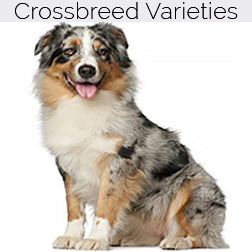


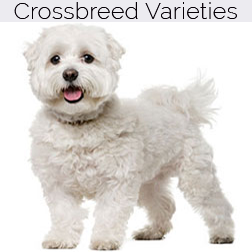
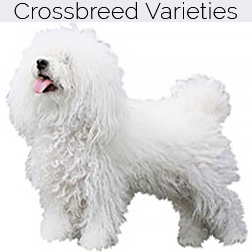
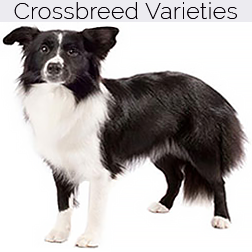

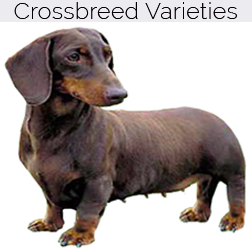
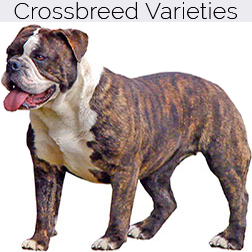
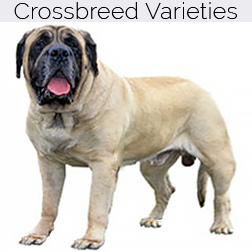
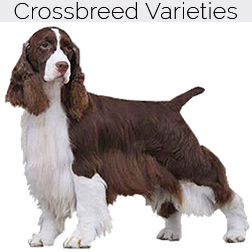

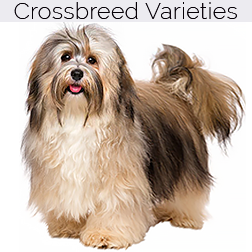
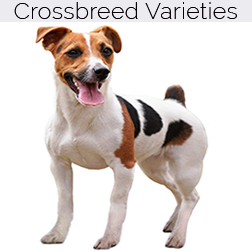
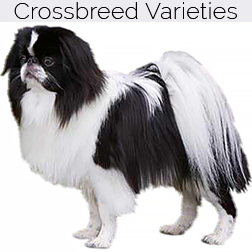


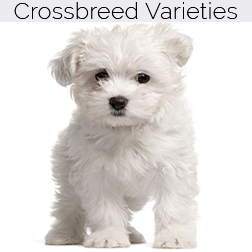
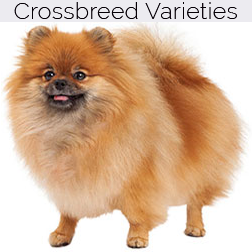
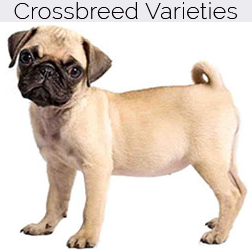
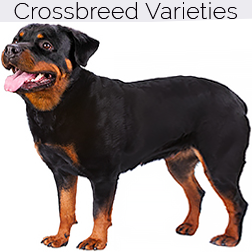
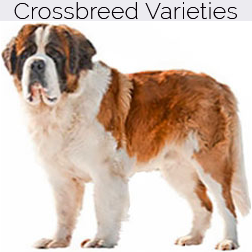
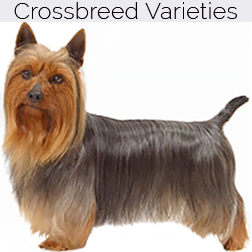
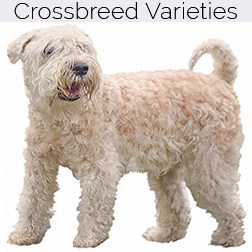
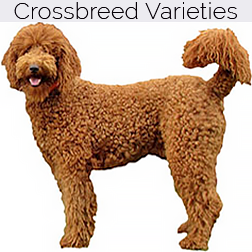
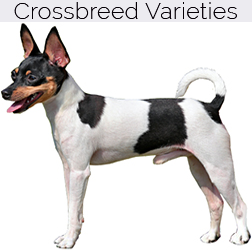
Ultimate Guide to Crossbreed Dogs
Beyond Pedigrees: Exploring the Charm of Crossbreed Dogs
Dogs are more than just pets; they’re family, companions, and bundles of joy that bring color to our lives. Among the vast world of canines, crossbreed dogs hold a special place. With their unique combinations of traits, temperaments, and appearances, these remarkable pups defy the boundaries of traditional dog breeds and create their own magic.
If you’ve ever wondered about crossbreed dogs—what makes them so special, why they’re adored worldwide, and how they can make life endlessly rewarding—you’re in for a treat. Let’s dive into the fascinating world of crossbreeds, where every dog is truly one of a kind.
What Are Crossbreed Dogs?
Definition and Explanation
A crossbreed dog, sometimes referred to as a designer dog, is a deliberate mix between two different purebred parents. Think Labradoodles (Labrador Retriever + Poodle) or Puggles (Pug + Beagle). Unlike purebreds, which are bred for specific standards, crossbreeds bring a delightful blend of traits from both parent breeds, offering a bit of unpredictability and a whole lot of charm.
The Beauty of Diversity: Why Crossbreed Dogs Are Unique
Crossbreed dogs are like nature’s little experiments in creativity. No two are exactly the same, even if they share the same parent breeds. Their diversity can show up in their coat colors, sizes, and even their personalities. This individuality makes owning a crossbreed dog feel like having a rare gem—an exclusive companion with traits uniquely their own.
Fun Fact: Mixed-breed dogs, including intentional crossbreeds, make up about 53% of the global dog population. That’s a testament to their adaptability and enduring appeal!
Spotlight Story: Famous Crossbreed Dogs
Crossbreed dogs aren’t just loved by everyday dog owners—they’ve made their mark on history and pop culture too!
- Laika, the Space Pioneer: Laika, the first dog in space, was a crossbreed from the streets of Moscow. Her bravery and legacy paved the way for human space exploration.
- Boomer from Independence Day: This lovable Labrador Retriever/Collie mix captured hearts on screen as a loyal companion who saved the day.
- Benji: The shaggy hero of countless movies and TV shows is another famous crossbreed, proving that you don’t need a pedigree to be a superstar.
The Popularity and Appeal of Crossbreeds Dogs
Why Dog Owners Love Them Worldwide
Crossbreed dogs are celebrated for their diversity, but there’s more to their charm than their one-of-a-kind looks. Many owners appreciate their often robust health, affectionately called "hybrid vigor," and the personality mashups that result in quirky, lovable companions. Crossbreeds often embody the best of both worlds, balancing energy with affection, intelligence with playfulness, and loyalty with independence.
Debunking Myths: Are Crossbreeds Unpredictable?
One of the common misconceptions about crossbreed dogs is that they’re unpredictable in temperament or behavior. While it’s true that crossbreeds can inherit traits from either parent breed, this unpredictability isn’t a downside—it’s an opportunity. With proper dog training, socialization, and care, crossbreeds thrive in all sorts of environments, from bustling city apartments to sprawling countryside homes.
Interactive Element: Quiz - “Can You Guess the Breeds?”
Imagine a playful dog with floppy ears, a curly tail, and a coat that looks like it was painted by a sunset. Is it a mix of
A. Golden Retriever and Poodle
B. Beagle and Dachshund
C. Cocker Spaniel and Shih Tzu
Answer: It’s B—a Beagle/Dachshund mix, also known as a Doxle!
Adding fun quizzes like this not only highlights the creativity of crossbreed dogs but also lets readers enjoy the learning experience.
Personal Anecdote: Stories of Loyalty, Charm, and Quirks in Crossbreed Dogs
Let me tell you about Max, my neighbor’s Golden Retriever/Pit Bull mix. Max looks like he could grace the cover of a dog magazine, but it’s his heart of gold that really steals the show. One summer, during a neighborhood picnic, Max noticed a toddler waddling dangerously close to the lake. Without hesitation, he gently nudged her back toward safety, wagging his tail as if to say, “All in a day’s work!”
Stories like Max’s remind us that crossbreed dogs aren’t just unique—they’re extraordinary. Their loyalty and quirks make them unforgettable companions, filling our days with laughter and love.
This introduction is only the beginning. With crossbreed dogs, every tale is unique, every bark is special, and every wag tells a story. Stay tuned as we explore everything you need to know about these incredible dogs, from their training and health to their care and temperament. Whether you’re considering adopting a crossbreed or already share your life with one, this guide will help you celebrate their diversity and charm.
The Diversity of Crossbreed Dogs
Crossbreed dogs are a dazzling kaleidoscope of sizes, shapes, colors, and personalities. Their diversity makes them not only visually captivating but also endlessly fascinating companions. In this section, we’ll dive into the wide spectrum of crossbreed dogs and celebrate the delightful surprises they bring to our lives.
The Vast Spectrum of Crossbreed Dogs
Crossbreed dogs are like snowflakes—no two are exactly the same! Their diversity stems from the combination of traits inherited from their purebred parents, resulting in dogs that range from pint-sized bundles of energy to gentle giants with a heart of gold.
- Sizes and Shapes: Crossbreeds can range from tiny lap dogs to towering companions. A mix like a Chihuahua-Dane (yes, that’s a real thing!) might combine the playful nature of a Chihuahua with the athleticism of a Great Dane—though the size outcome is anyone’s guess!
- Colors and Coats: Expect a rainbow of coat colors and textures, from sleek and shiny to curly and fluffy. Crossbreeds can inherit the unique markings of one parent or display an unexpected combination.
- Temperaments: Some crossbreeds balance the energy of one parent breed with the calm demeanor of the other. Others take on the best traits of both, resulting in a perfect blend of playfulness and affection.
Fun Profiles: Quirky Mixes
Here are some delightful examples of crossbreeds that will make you smile
- “Corgi-Husky” (Horgi): Imagine the body of a Corgi with the piercing blue eyes and fluffy coat of a Husky. This mix is equal parts charm and energy—a small dog with a big personality.
- “Chihuahua-Dane” (Chi-Dane-Dane): This comical mix combines the sassiness of a Chihuahua with the stature of a Great Dane. Will it be a lap dog or a couch-sized cuddle buddy? Only time will tell!
- “Labraheeler” (Labrador Retriever + Australian Cattle Dog): This dynamic mix results in a smart, active companion perfect for families who love outdoor adventures.
Interactive Element: Picture this—a gallery showcasing these quirky mixes! Add fun facts about each dog, like how a Chi-Dane-Dane’s ears might stand up, flop down, or do one of each. Visuals make it easier to appreciate just how unique crossbreeds can be.
The DNA of Diversity
How Genetics Influence Traits
Understanding genetics helps us see why crossbreed dogs are so diverse. When two different breeds mix, each parent contributes their own set of genes, resulting in combinations that are as unpredictable as they are beautiful. For instance, a Poodle’s hypoallergenic coat might blend with a Golden Retriever’s signature golden hue to create a Goldendoodle—a dog that’s not just gorgeous but also allergy-friendly.
Hybrid Vigor: Explained in Layman’s Terms
“Hybrid vigor,” or heterosis, is a term that describes the potential health benefits of crossbreeding. Crossbreeds often inherit a wider gene pool, which can reduce the likelihood of certain hereditary health issues seen in purebred dogs. Think of it as nature’s way of keeping things balanced—a little bit of everything can go a long way toward resilience.
Interactive Element: Ever wondered about your dog’s ancestry? DNA kits like Embark and Wisdom Panel can provide a detailed breakdown of your dog’s breed heritage, health predispositions, and even quirky genetic traits. These kits make exploring your crossbreed dog’s background a fun and enlightening experience!
Why No Two Crossbreed Dogs Are Alike
One of the most enchanting aspects of crossbreed dogs is their delightful unpredictability. Even when you know the breeds involved, the way their traits combine is always a delightful surprise, like unwrapping a present you didn’t know you needed.
- Looks That Keep You Guessing: Imagine a cross between a German Shepherd and a Poodle. Will it have the Shepherd’s iconic upright ears and a thick, curly Poodle coat? Or maybe a Shepherd-like coat paired with the Poodle’s signature build? Every crossbreed is a visual surprise, a unique masterpiece of genetics.
- Unique Personalities: Just like humans, crossbreed dogs each have their own distinctive character. Even siblings from the same litter can display completely different temperaments, energy levels, and quirks. One might be the life of the party, while another prefers quiet cuddle sessions on the couch.
- Endless Surprises: Crossbreeds often blend the best (and sometimes funniest) traits of their parent breeds. A Beagle/Bulldog mix might serenade you with the Beagle’s howling “songs” while also enjoying the Bulldog’s laid-back napping style. These unique combinations of traits make life with a crossbreed endlessly entertaining and full of surprises.
Crossbreed dogs remind us to embrace life’s unexpected joys. Their individuality and charm teach us to celebrate what makes each of us, and them, truly one of a kind. Owning a crossbreed isn’t just a pet experience—it’s a journey of discovery, filled with heartwarming surprises and unconditional love.
Health and Longevity
When it comes to health and longevity, crossbreed dogs often stand out for their resilience and vitality. While every dog is unique, understanding the factors that contribute to a crossbreed's health can help you give your furry friend the best life possible. Let’s explore the advantages, challenges, and care tips that keep crossbreed dogs thriving for years.
The Health Advantages of Crossbreed Dogs
Understanding Genetic Diversity and Resilience
Crossbreed dogs benefit from genetic diversity, often referred to as "hybrid vigor." This means that the wider gene pool resulting from two different parent breeds can reduce the likelihood of certain hereditary health issues common in purebreds. For example, a Labrador Retriever may be prone to hip dysplasia, while a Poodle might face eye problems. A Labradoodle, however, may inherit fewer of these breed-specific conditions.
This doesn’t mean crossbreeds are immune to health issues, but their genetic variety often gives them a natural advantage when it comes to overall resilience and adaptability.
Common Health Challenges and Preventative Care
Like all dogs, crossbreeds can face health challenges. While their diverse genetics often lower the risk of breed-specific conditions, they may still encounter common canine issues such as
- Obesity: Keep your crossbreed dog active and maintain a balanced diet to prevent weight-related health problems.
- Dental Issues: Regular brushing and dental treats can go a long way in preventing gum disease.
- Joint and Mobility Concerns: Larger crossbreeds, like a German Shepherd/Golden Retriever mix, may still face joint issues as they age. Supplements like glucosamine can help support joint health.
Preventative Care Is Key
Routine veterinary checkups, vaccinations, and regular health screenings are essential to keeping your crossbreed dog in top shape. Prevention is always better than treatment, so stay proactive about their wellness.
Interactive Element: Trivia Time!
Can you guess the longest-living crossbreed dog? The answer is Max, a Terrier mix who lived to the incredible age of 29! Crossbreeds like Max show that a healthy lifestyle and good care can truly stand the test of time.
Lifespan of Crossbreed Dogs
How Lifestyle, Diet, and Care Extend Longevity
While genetic factors play a role, lifestyle and care are just as important in determining your dog’s lifespan. A well-balanced diet, plenty of exercise, and a stress-free environment can add years to your crossbreed dog’s life. Mental stimulation, such as puzzle toys or training games, also contributes to a happier, healthier pet.
Charts Comparing Lifespans of Crossbreeds vs. Purebreds
On average, crossbreeds live slightly longer than purebred dogs due to their genetic diversity. Here’s a quick comparison of average lifespans
- Small Crossbreeds (e.g., Chihuahua/Terrier mix): 12–16 years
- Medium Crossbreeds (e.g., Cocker Spaniel/Poodle mix): 10–14 years
- Large Crossbreeds (e.g., Labrador Retriever/Husky mix): 9–13 years
By providing your crossbreed dog with optimal care, you may even see them surpass these averages!
Preventative Health Tips
Healthy dogs are happy dogs. Here are some essential tips for keeping your crossbreed in peak condition
- Stay Current on Vaccinations
Vaccinations protect against common canine diseases and should be kept up-to-date based on your vet’s recommendations. - Regular Checkups
Annual vet visits can catch potential health problems early. For senior dogs, consider biannual checkups to monitor age-related issues. - Prioritize Nutrition
Feed your crossbreed a high-quality diet tailored to their size, age, and activity level. Use a dog nutrition guide to ensure they’re getting the right balance of protein, fats, and carbohydrates. - Daily Exercise
Every crossbreed has different exercise requirements, but regular physical activity keeps their body and mind healthy. Walks, playtime, or agility training are excellent options. - Focus on Grooming
Depending on your dog’s coat type, regular grooming can prevent skin issues and keep them looking fabulous. Don’t forget those nails and ears! - Monitor for Health Changes
Keep an eye out for behavioral or physical changes, such as lethargy, loss of appetite, or limping. Early intervention makes a big difference.
Crossbreed dogs bring so much joy and individuality into our lives, and they deserve the same dedication to their health. With love, care, and attention, your crossbreed companion can live a long, vibrant life filled with tail wags and happy memories.
Temperament and Personality
When it comes to temperament and personality, crossbreed dogs are a delightful mystery waiting to unfold. Their unique blend of inherited traits creates one-of-a-kind companions who surprise and charm us in ways no purebred can replicate. Let’s explore their nature, behavioral quirks, and the heartwarming stories that make crossbreeds unforgettable.
The Nature of Crossbreed Dogs
Crossbreed dogs come with personalities as varied as their appearances. They might inherit the playful curiosity of one parent breed and the calm affection of the other—or they might create a new combination that’s uniquely theirs. These dogs often form deep bonds with their owners, showcasing loyalty, intelligence, and adaptability.
Stories of Unforgettable Personalities
Take Luna, a Golden Retriever/Border Collie mix. Her family describes her as an “overachiever.” Luna loves fetch so much that she not only brings back the ball but neatly drops it into the toy box afterward. Or consider Moose, a Dachshund/Beagle cross who firmly believes he’s a lapdog, despite his Beagle-sized frame. Moose’s owners joke that his only goal in life is to steal hearts—and snacks!
These memorable personalities are what make crossbreed dogs such a joy to live with.
Interactive Element
Personality Quiz: “What Crossbreed Matches You?”
Answer fun questions about your lifestyle, activity level, and preferences to discover which crossbreed dog might be your perfect match. Are you more of a cuddly couch companion or an adventurous explorer? Find your canine counterpart!
Understanding Behavioral Traits
How Ancestry Impacts Temperament
A crossbreed dog’s temperament is influenced by the behavioral traits of its parent breeds. For example
- A Labrador Retriever/Poodle mix might balance the Poodle’s intelligence with the Labrador’s friendly and outgoing nature.
- A Corgi/German Shepherd mix could inherit the Shepherd’s protective instincts along with the Corgi’s playful energy.
However, it’s essential to remember that every dog is an individual. Even within the same litter, personalities can vary widely depending on genetics, upbringing, and environment.
Training Tips for Behavior Challenges
- Start Early: Begin training your crossbreed puppy as soon as possible. Positive reinforcement works wonders for all breeds.
- Understand Breed Tendencies: If your dog’s parent breeds are known for herding or hunting, be prepared for instincts like chasing or barking. Redirect these behaviors with stimulating games or obedience training.
- Consistency Is Key: Use the same commands and rewards to help your dog learn faster.
- Socialization Is Crucial: Introduce your crossbreed to new people, dogs, and environments to ensure they grow into well-rounded companions.
With patience and understanding, even the quirkiest behaviors can become part of your dog’s lovable charm.
Owner Spotlights
Crossbreed owners often have the best stories, from hilarious quirks to heartwarming moments. Here are a few examples
- Humorous Testimonials
“My Beagle/Corgi cross thinks he’s the family guard dog. He barks ferociously at delivery trucks but runs and hides behind me if the driver says hello!” — Emily, proud dog mom of Toby
“My Husky/Pomeranian mix insists on singing along every time I play the piano. I’m pretty sure she thinks we’re forming a band.” — Dave, owner of Luna the diva
“My Boxer/Chihuahua cross does this thing where he tries to bury his toys under the couch cushions, but he always forgets where they are and acts like I hid them on purpose.” — Sarah, owner of mischievous Max
These personal anecdotes highlight how crossbreed dogs bring humor and joy into our daily lives.
Crossbreed dogs are full of surprises, not just in appearance but in the delightful personalities they develop. Whether they’re stealing socks, mastering tricks, or simply curling up next to you on the couch, their quirks and charms make them unforgettable companions. By understanding their behavioral traits and celebrating their individuality, you’ll create a bond that lasts a lifetime.
Adopting and Choosing a Crossbreed Dog
Adopting a crossbreed dog is not just about finding a furry companion; it’s about opening your home and heart to an extraordinary friend. Crossbreeds come in all shapes, sizes, and personalities, making them a perfect fit for families, singles, and everyone in between. Let’s explore why adopting a crossbreed dog is such a rewarding experience, how to choose the right one for your lifestyle, and what to ask before bringing one home.
Why Adopt a Crossbreed Dog?
Benefits of Adoption
Adopting a crossbreed dog offers a host of benefits
- Saving a Life: When you adopt, you’re giving a dog a second chance at a happy life.
- Unique Companions: Every crossbreed dog is one of a kind, offering an unmatched combination of traits.
- Health Advantages: Many crossbreed dogs enjoy the genetic diversity that can reduce the likelihood of hereditary health issues.
- Cost-Effective: Adoption fees are typically lower than purchasing from breeders, and many shelters include initial vaccinations and spaying/neutering in the adoption cost.
Heartwarming Rescue Stories
Consider Bella, a Labrador/Pit Bull mix who was rescued from a shelter at six months old. Bella’s family describes her as “the glue that brought us together.” She quickly became the star of their neighborhood with her goofy antics and ability to comfort anyone having a bad day.
Or meet Scout, a scrappy Terrier mix who was adopted after surviving a natural disaster. Scout’s resilience and boundless affection turned him into the ultimate therapy dog for his new family.
Adopting a crossbreed dog isn’t just life-changing for the dog—it’s transformative for the owner too.
How to Choose the Right Crossbreed for Your Lifestyle
Finding the perfect crossbreed dog involves a bit of matchmaking. Here’s what to consider
- Energy Levels
If you’re an active person, look for a crossbreed with energetic parentage, such as a Border Collie/Labrador mix. For a quieter lifestyle, a Basset Hound/Pug cross might be your speed. - Size
Think about your living space. A German Shepherd/Husky cross may thrive in a large backyard, while a Maltese/Shih Tzu mix is more suited to apartment life. - Compatibility
Consider your family structure. Crossbreeds with friendly, social parent breeds, like a Golden Retriever/Poodle mix, are great for households with kids. - Health Considerations
Some crossbreeds inherit specific needs from their parent breeds. Research potential health concerns and ensure you’re prepared for regular vet visits, grooming, or dietary requirements.
Humor-Infused Decoding of Shelter Descriptions
Shelter descriptions can be a bit... creative. Let’s decode them together
- “Enthusiastic explorer” = This dog has a lot of energy. Start prepping for daily hikes.
- “Loves to sing” = Your neighbors will know all about your new companion.
- “Needs a strong leader” = Be ready for some obedience training.
Adding a touch of humor helps demystify shelter lingo and sets expectations for potential adopters.
What to Ask Before Adopting
Before adopting a crossbreed dog, ask shelters or breeders these key questions to ensure a good match
- What Do You Know About the Dog’s Background?
Learning about a dog’s history can help you understand their personality and any behavioral quirks. - How Is the Dog’s Health?
Inquire about vaccinations, spaying/neutering, and any known health conditions. - What Is the Dog’s Temperament?
Ask about how the dog interacts with people, children, and other animals. - What Are the Dog’s Exercise and Grooming Needs?
Understanding these needs helps ensure you can meet them comfortably. - What Training Has the Dog Received?
Find out if the dog knows basic commands or has been crate-trained. - Do You Offer a Trial Period?
Some shelters allow trial adoptions to ensure a good fit before finalizing.
Adopting a crossbreed dog is a journey filled with joy, discovery, and unconditional love. Whether you’re drawn to their unique appearance, resilient health, or heart-melting personality, a crossbreed can bring endless happiness to your life. By asking the right questions and considering your lifestyle, you’ll be well on your way to finding a perfect companion who’s as special as they are unforgettable.
Training and Socialization
Training and socialization are two of the most critical aspects of raising a happy, well-behaved crossbreed dog. Every crossbreed has a unique personality, so their training journey is an adventure filled with progress, challenges, and the occasional humorous hiccup. This section will help you master the basics, introduce your dog to new experiences, and keep their mind sharp with fun activities.
Training Basics for Crossbreed Dogs
Training your crossbreed dog starts with building a foundation of trust, patience, and consistency. No matter their age or background, every dog can learn with the right approach.
- Obedience Training
- Start with essential commands like sit, stay, come, and leave it. These basics establish clear communication between you and your dog.
- Use positive reinforcement, such as treats, toys, or praise, to reward good behavior.
- Agility Training
- Crossbreeds with energetic parentage (like Border Collies or Huskies) thrive with agility training. Set up an obstacle course in your yard using items like cones, tunnels, or hula hoops.
- Agility not only builds physical fitness but also strengthens the bond between you and your dog.
- House Training
- Consistency is key! Take your crossbreed outside frequently, especially after meals or naps.
- Use a designated spot for potty breaks and reward them immediately after success.
Funny Training Fails—Reader Submissions
Let’s lighten things up! Share your funniest training moments. Did your crossbreed interpret sit as roll over? Or maybe they thought fetching a stick meant grabbing the whole tree? Training mishaps remind us to laugh and appreciate our dogs’ individuality.
Socializing Your Crossbreed Dog
Socialization helps your crossbreed dog feel comfortable and confident in various environments. Whether they’re meeting new people, animals, or navigating new situations, proper socialization builds trust and reduces anxiety.
- Steps to Introduce Them to New Environments and Pets
- Start small by introducing your dog to quiet, controlled settings before progressing to busier areas like parks.
- When meeting new pets, keep both animals on a leash initially and allow them to sniff and interact at their own pace.
- Overcoming Anxiety and Building Confidence
- Use gradual exposure to reduce fear or anxiety. For example, if your crossbreed is afraid of car rides, start with short trips around the block before attempting longer drives.
- Confidence-building activities, like puzzle toys or teaching new tricks, help your dog feel accomplished and less fearful.
- Reward calm behavior to reinforce positive reactions in new situations.
Engagement Games and Activities
Keeping your crossbreed mentally and physically engaged is essential for their overall well-being. Here are some ideas for fun and enriching activities
- Hide and Seek
- Hide treats or toys around the house and encourage your dog to sniff them out. This game taps into their natural hunting instincts and keeps their brain sharp.
- Interactive Toys and Puzzles
- Toys like treat-dispensing balls or puzzle boards are excellent for keeping your crossbreed entertained, especially if they have a clever parent breed like a Poodle.
- Training Games
- Turn training sessions into games! For instance, play a recall game by calling your dog back and forth between family members, rewarding them with treats or praise.
- Doggy Playdates
- Arrange safe play sessions with other friendly dogs. This not only provides exercise but also helps with socialization.
- Agility and Fetch Variations
- Mix up traditional fetch by incorporating hurdles or asking your dog to perform a trick before retrieving.
Training and socialization aren’t just about teaching your crossbreed to follow commands—they’re about creating a lifelong partnership built on trust and mutual understanding. By combining patience with creativity, you’ll raise a confident, well-rounded companion who’s ready to tackle the world with you by their side. And don’t forget to enjoy the journey—training is as much about learning as it is about bonding and having fun!
Care and Maintenance
Caring for a crossbreed dog involves understanding their unique needs and providing consistent, loving attention. From grooming to nutrition and exercise, each aspect of care is an opportunity to strengthen your bond and ensure your dog thrives. Let’s explore how to meet the diverse requirements of crossbreed dogs and keep them happy and healthy.
Grooming Needs of Crossbreed Dogs
Crossbreed dogs can inherit a variety of coat types, from short and sleek to long and curly. Knowing how to care for their unique fur is essential for their comfort and appearance.
Handling Diverse Coat Types
- Short-Coated Crossbreeds (e.g., Boxer/Beagle mixes): These dogs typically require minimal grooming—just a weekly brushing to remove loose fur and maintain a healthy coat.
- Long-Coated Crossbreeds (e.g., Golden Retriever/Husky mixes): Regular brushing, at least two to three times a week, helps prevent tangles and mats.
- Curly-Coated Crossbreeds (e.g., Poodle mixes): Curly coats need frequent brushing and trimming to avoid matting and maintain a tidy appearance.
DIY Grooming vs. Professional Care
- DIY Grooming: With the right tools (a slicker brush, nail clippers, and dog-safe shampoo), many grooming tasks can be handled at home. Make it a relaxing experience with plenty of treats and praise.
- Professional Care: For crossbreeds with high-maintenance coats, like a Labradoodle or Cocker Spaniel mix, professional grooming every 6–8 weeks ensures they stay clean, comfortable, and well-styled.
Nutrition and Feeding
Your crossbreed’s diet is a cornerstone of their overall health. Tailoring their nutrition to their age, size, and activity level helps them stay energetic and robust.
Dietary Recommendations by Age, Size, and Activity Level
- Puppies: Feed a high-quality puppy formula rich in protein and DHA for growth and brain development.
- Adults: Choose a balanced diet with the right mix of protein, fats, and carbohydrates to match their activity level.
- Seniors: Transition to a senior formula that supports joint health and is easier to digest.
Crossbreeds with larger parent breeds may need diets formulated for large dogs to support their bone and joint health. Smaller crossbreeds thrive on smaller kibble designed for their tiny mouths.
Managing Allergies and Sensitivities
Some crossbreed dogs may inherit food sensitivities or allergies. Watch for symptoms like itchy skin, ear infections, or digestive upset, and consult your vet if you notice any issues. Consider hypoallergenic diets or limited-ingredient dog foods if sensitivities are suspected.
Exercise and Activity
Crossbreeds need regular physical and mental stimulation to keep them happy and healthy. Their exercise requirements depend on their parent breeds, size, and energy levels.
Creative Ways to Keep Your Crossbreed Dog Active
- Trail Adventures: For energetic crossbreeds, like a Husky/German Shepherd mix, hiking trails provide excellent physical and mental stimulation.
- Indoor Obstacle Courses: On rainy days, set up a mini agility course with furniture and toys to keep your dog entertained.
- Fetch with a Twist: Use a ball launcher or change the game by hiding the ball and letting your dog find it.
- Swimming: Many crossbreeds with water-loving parent breeds, like Labradors or Spaniels, enjoy splashing in a pool or lake.
Tips for Busy Owners
- Interactive Toys: Puzzle feeders and treat-dispensing toys can keep your dog engaged when you’re short on time.
- Dog Walkers or Daycare: Hiring a dog walker or enrolling your crossbreed in doggy daycare ensures they get exercise and socialization even on your busiest days.
- Short Training Sessions: Incorporate brief training or play sessions throughout the day to keep your dog active and attentive.
Crossbreed dogs are as unique in their care needs as they are in their appearances and personalities. By understanding their grooming, dietary, and activity requirements, you can create a routine that keeps them healthy, happy, and thriving. And don’t forget—the time spent caring for your dog is also time spent bonding, which is the most rewarding part of all!
The Life Stages of Crossbreed Dogs
Every stage of a crossbreed dog’s life is an adventure, bringing its own set of milestones, challenges, and joys. From playful puppyhood to the wise and gentle senior years, understanding these phases helps you provide the best care and cherish every moment with your furry companion.
From Puppyhood to Adulthood
Puppyhood is a whirlwind of energy, curiosity, and learning. As your crossbreed dog grows, they’ll hit important milestones and transform into a confident adult ready to take on the world (or at least your backyard).
Milestones and Growth Phases
- Neonatal Stage (0–2 Weeks): Puppies rely on their mother for warmth, food, and care. Their eyes and ears are still closed, and their only activities are eating and sleeping.
- Transitional Stage (2–4 Weeks): Their eyes open, hearing develops, and they begin exploring their world, albeit wobbly at first.
- Socialization Stage (4–12 Weeks): This critical period is when puppies learn social skills and adapt to their environment. Exposure to new people, pets, and experiences helps shape their behavior.
- Adolescence (6–18 Months): Expect a mix of growth spurts and teenage rebellion. Your crossbreed may test boundaries, so consistent training and patience are essential.
- Adulthood (1–7 Years): By this stage, your crossbreed will have settled into their adult size and temperament. This is the prime of their life, filled with energy, learning, and bonding.
Funny Timeline of Life Stages with Illustrations
Picture a timeline featuring adorable cartoons of a crossbreed dog at each stage
- Puppy: A mischievous pup chewing on a shoe.
- Adolescent: An oversized, awkward dog tripping over its own paws.
- Adult: A sleek, confident companion proudly carrying a stick.
- Senior: A wise, silver-muzzled dog snoozing in a comfy bed.
Adding humor and visuals makes learning about life stages both engaging and memorable.
Caring for Senior Crossbreed Dogs
The senior years bring a quieter, more reflective phase of life. As your crossbreed ages, they may slow down physically but deepen their bond with you, offering unconditional love and loyalty.
Recognizing Aging Signs
- Decreased Activity: Your dog may not be as eager for long walks or energetic play.
- Graying Fur: A salt-and-pepper look around their muzzle is common in senior dogs.
- Joint Stiffness: They may take longer to rise or show hesitation climbing stairs.
- Changes in Appetite: Seniors may eat less or prefer softer food.
Adapting Care Routines to Support Mobility and Comfort
- Diet Adjustments: Switch to a senior dog formula designed for easier digestion and joint support.
- Gentle Exercise: Shorter walks and low-impact activities, like swimming, can keep them active without straining their joints.
- Comfortable Living Spaces: Provide a soft, orthopedic bed and consider adding ramps or steps to help them access favorite spots like the couch or car.
- Regular Vet Visits: Schedule checkups every 6 months to monitor their health and catch any age-related issues early.
- Mental Stimulation: Keep their mind sharp with puzzle toys, training refresher courses, or gentle games.
The journey from puppyhood to senior years is a beautiful one, filled with growth, learning, and countless memories. Each stage offers its own opportunities to connect with your crossbreed dog, adapt to their changing needs, and celebrate the life you’ve built together. Whether they’re bounding through the park as a puppy or curling up beside you in their golden years, your crossbreed dog’s love and companionship remain a constant source of joy.
Crossbreed Dogs in Action
Crossbreed dogs are more than just wonderful companions; they’re capable, adaptable, and eager to take on roles and adventures that showcase their unique skills. Whether serving as therapy dogs, emotional support animals, or even social media stars, crossbreeds prove that their versatility and charm know no bounds.
Roles They Excel In
Crossbreed dogs often bring together the best traits of their parent breeds, making them highly suited for various important roles.
Service Dogs
Crossbreeds with intelligence, focus, and trainability, such as Labrador/Poodle mixes, excel as service dogs. They assist individuals with disabilities, performing tasks like guiding the visually impaired, alerting to medical conditions, or retrieving items.
Therapy Dogs
With their gentle temperaments and loving natures, crossbreeds are excellent therapy dogs. They provide comfort and companionship in hospitals, nursing homes, and schools, bringing smiles to those in need.
Emotional Support Dogs
Crossbreeds with calm and affectionate personalities can be exceptional emotional support animals. They provide a soothing presence for individuals coping with anxiety, depression, or other emotional challenges.
Spotlight Stories: Heroes and Record-Breakers
- Buddy the Lifesaver: Buddy, a Labrador/Collie mix, became a local hero when he alerted his owner to a house fire, allowing the family to escape safely.
- Max the Marathoner: Max, a Border Collie/Shepherd mix, became famous for completing a charity race alongside his owner, raising thousands of dollars for animal shelters.
- Bella the Therapy Star: Bella, a Golden Retriever/Cocker Spaniel mix, has brought joy to hundreds of children in hospitals, earning her a national award for therapy work.
Adventures with Crossbreed Dogs
Crossbreed dogs are natural adventurers, making them ideal companions for travel and exploration. Whether you’re hitting the road or tackling a hiking trail, your crossbreed is up for the challenge.
Travel-Friendly Tips for Road Trips and Hikes
- Road Trips
- Safety First: Use a harness seat belt or crate to keep your dog secure during the drive.
- Pack Essentials: Bring food, water, a leash, poop bags, and a favorite toy or blanket for comfort.
- Take Breaks: Plan stops every few hours for potty breaks and leg stretches.
- Hiking Adventures
- Know Your Dog’s Limits: A Husky mix might enjoy a long, challenging trail, while a smaller breed mix may prefer a shorter trek.
- Stay Hydrated: Carry plenty of water and a collapsible bowl.
- Check the Terrain: Protect your dog’s paws by avoiding hot pavement or rocky trails. Consider dog booties for extra protection.
“How to Make Your Dog a Social Media Star”
Crossbreed dogs have personalities and looks that are perfect for the camera. Here’s how to turn your dog into a social media sensation
- Capture Their Personality: Show off their quirks, like their silly sleeping positions or impressive tricks.
- Quality Over Quantity: Use good lighting and clear photos to highlight their unique traits.
- Create a Brand: Use a catchy handle like @BaxterTheBarkingExplorer and stick to a theme—adventure, humor, or training tips.
- Engage with Followers: Share tips, stories, and behind-the-scenes moments to connect with your audience.
Crossbreed dogs thrive when given opportunities to shine, whether it’s through heroic deeds, adventures, or simply being their lovable selves. Their adaptability and charm make them perfect for action-packed roles and heartwarming moments, proving that they’re more than just pets—they’re stars, heroes, and lifelong companions.
Myths and Truths
Crossbreed dogs have long been surrounded by myths and misconceptions. While some myths paint a misleading picture, others overshadow the incredible qualities these dogs possess. This section separates fact from fiction, relying on science and real-world insights to showcase the truth about crossbreeds.
Debunking Common Myths
Let’s tackle some of the most persistent myths about crossbreed dogs and uncover the truths behind them.
Myth 1: Crossbreed Dogs Are Less Healthy
The Truth: Many crossbreed dogs benefit from hybrid vigor, a genetic diversity that can reduce the likelihood of hereditary health issues often seen in purebred dogs. While no dog is immune to health problems, crossbreeds are not inherently less healthy than their purebred counterparts.
Myth 2: Crossbreeds Are Harder to Train
The Truth: A crossbreed’s trainability depends on their individual temperament and the effort put into their training, not their lineage. Many crossbreeds inherit the intelligence and eagerness to please from their parent breeds, making them excellent candidates for obedience training and advanced tasks.
Myth 3: Crossbreed Dogs Are Less Loyal
The Truth: Loyalty isn’t determined by breed but by the bond between a dog and their owner. Crossbreeds are just as devoted, loving, and protective as any purebred. Spend time with a crossbreed, and you’ll quickly see their unwavering dedication.
Myth 4: Crossbreeds Are Unpredictable
The Truth: While crossbreeds can inherit traits from either parent, they are no more unpredictable than any other dog. Proper socialization and training help shape their behavior and temperament, just like with purebred dogs.
Myth-Busting Trivia Game
- Question: “Are crossbreed dogs less intelligent than purebreds?”
- Answer: False! Intelligence depends on the individual dog, not their breed or lineage.
- Question: “Do crossbreed dogs live longer than purebreds?”
- Answer: Often true! Hybrid vigor can contribute to longer lifespans in crossbreeds.
This fun, interactive game helps readers separate fact from fiction while learning valuable insights about crossbreeds.
What Science and Studies Say
Scientific research provides fascinating insights into the agility, trainability, and health of crossbreed dogs. Here’s what the studies reveal
Agility and Performance
Crossbreeds often excel in agility competitions, blending the physical traits of their parent breeds. For example, a Border Collie/Labrador mix may combine the Border Collie’s quick reflexes with the Labrador’s endurance, making them stars on the agility course.
Trainability
Studies show that trainability is more influenced by individual personality and upbringing than by breed. Crossbreeds often exhibit a combination of their parent breeds’ strengths, making them adaptable and eager learners.
Health Statistics
Research has shown that crossbreeds generally have a lower risk of genetic disorders compared to purebreds. For instance
- Hip Dysplasia: Less common in crossbreeds than in purebreds like German Shepherds or Labradors.
- Cardiac Issues: Crossbreeds with diverse parentage may have a lower prevalence of breed-specific heart conditions.
Crossbreed dogs are more than capable, lovable, and healthy companions—they’re extraordinary in their own right. By debunking myths and understanding what science reveals, we can appreciate their true potential and celebrate the unique qualities they bring to our lives.
Fun and Unique Aspects
Crossbreed dogs are brimming with individuality, and celebrating their one-of-a-kind nature is part of the joy of owning one. From choosing the perfect name to sharing their personality with the world, there are countless ways to embrace the fun and unique aspects of your crossbreed companion.
Naming Your Crossbreed Dog
Your dog’s name is one of the first things that reflects their personality and quirks. Whether you want something playful, meaningful, or Instagram-worthy, here are some creative naming ideas to get you started.
Creative and Instagram-Worthy Naming Ideas
- Based on Appearance
- Sable: For a dog with a sleek, dark coat.
- Speckles: Perfect for a spotted or dappled coat.
- Inspired by Parent Breeds
- Goldiepoo: A nod to a Golden Retriever/Poodle mix.
- Huskaroo: For a Husky/Kangaroo (just kidding, but how fun is that?).
- Pop Culture Names
- Grogu: For a small but mighty pup.
- Chewbarka: Star Wars fans, rejoice!
- Unique and Fun
- Sir Wigglesworth: For the wiggliest of tails.
- Luna Lovebark: For the sweet and magical ones.
Polls and Reader Submissions for Unique Names
Encourage readers to submit their favorite crossbreed dog names or vote on themes like
- “Best Food-Inspired Names” (Waffles, Mochi).
- “Most Regal Names” (Duchess, Sir Barkington).
The most popular names could be highlighted in a future feature or shared on social media!
Celebrating Their Uniqueness
Crossbreed dogs are naturals when it comes to standing out. Here are some fun ways to showcase their individuality
Sharing Photos and Stories Online
Your crossbreed’s quirks and charms are worth sharing! Platforms like Instagram, Facebook, or even a dedicated blog can be great spaces to
- Post “day in the life” stories with playful captions.
- Share transformation photos from adoption to their current happy self.
- Highlight their unique looks or hilarious antics.
Creative Ideas for Showcasing Individuality
- Custom Collars: Design a collar that reflects your dog’s personality. Add their name or choose colors that match their character—bright and bold for energetic pups, or elegant and understated for dignified companions.
- Personalized Tags: Include fun quotes or titles like World’s Best Tail Wagger or Professional Nap Taker.
- Unique Accessories: Try bandanas, bow ties, or jackets that make them stand out on walks or at the dog park.
- Social Media Spotlights: Dedicate a hashtag to your dog, like #BaileyTheBestBoy or #AdventuresWithLuna, to document their escapades and connect with other dog lovers.
Crossbreed dogs are more than just pets—they’re personalities worth celebrating. Whether you’re brainstorming a clever name, showing off their unique style, or sharing their adventures with the world, the possibilities for fun are endless. By embracing what makes your dog special, you not only strengthen your bond but also inspire others to appreciate the joy of owning a crossbreed.
Conclusion
Crossbreed dogs are a testament to the beauty of diversity, the magic of the unexpected, and the unconditional love only a dog can give. They surprise us, charm us, and fill our lives with immeasurable joy. As we wrap up this guide, let’s celebrate what makes these remarkable companions so extraordinary.
Why Crossbreed Dogs Are Extraordinary
Crossbreed dogs are more than just the sum of their parent breeds. They embody individuality and uniqueness, showcasing the best of both worlds in every wag of the tail and tilt of the head. Their charm lies in their unpredictability—an endearing mix of traits, temperaments, and quirks that make them truly one of a kind.
They teach us valuable lessons about acceptance, resilience, and joy. From their unbreakable loyalty to their knack for turning the simplest moments into cherished memories, crossbreed dogs remind us daily of how wonderful life can be when we embrace the unexpected.
Interactive Element: User-Submitted Stories Celebrating Their Dogs
What better way to honor crossbreed dogs than by sharing the stories of their devoted owners? Invite readers to submit their favorite memories, anecdotes, or photos of their crossbreed companions. A few examples might include
- “Cooper, my Lab/Border Collie mix, taught me patience when he insisted on herding the neighborhood cats—but now he’s my best friend and protector.”
- “Lulu, my Poodle/Cocker Spaniel mix, has a sixth sense for cuddles. She knows when I need a hug before I do!”
- “Max, my Boxer/Beagle cross, saved the day by barking until we realized the smoke alarm had failed. He’s our hero!”
Collect these stories to create a heartwarming library of crossbreed love, showcasing the many ways these dogs enrich our lives.
Heartfelt Closing Message: Celebrate the Joy of the Unexpected
Crossbreed dogs are proof that life’s most beautiful moments often come in unexpected forms. They are not just pets but lifelong companions, confidants, and sources of endless laughter and love. By celebrating their uniqueness, we celebrate the joy of the unknown, the delight of individuality, and the boundless magic of unconditional love.
So, whether your crossbreed is a couch-loving cuddlebug or an energetic adventurer, take a moment to appreciate everything that makes them extraordinary. Celebrate their quirks, share their stories, and enjoy every tail wag, paw shake, and goofy grin.
Because in a world where nothing is guaranteed, the joy of the unexpected is a gift worth treasuring.
Did You Enjoy this Article? Share it and Help Us Spread the Word!
If you found this article helpful, we'd appreciate it if you could share it with your friends or link to it from your website, blog, or group! You can also use the convenient social share tabs on the left side of the screen to instantly share this page to your social media feed. For more ways to support and promote the American Breeder Community, visit our Share & Promote Together page for social media posts and memes you can copy and share. Your support means the world to us!
Disclaimer: The information provided in this article is for general informational purposes only and does not constitute legal, medical, financial, or professional advice. While we strive for accuracy, we make no representations or warranties regarding the completeness, accuracy, reliability, or suitability of the information. Please consult with a professional before making decisions based on the content provided. American Breeder Inc. assumes no responsibility for any errors or omissions or for the results obtained from the use of this information.