
 Log in

The Wonders of the Border Collie Dog
Introduction
The Border Collie is a breed like no other, revered worldwide for its unparalleled intelligence, athleticism, and dedication. From the rolling hills of the Scottish-English borderlands, where they herded sheep with precision and flair, to the modern-day agility courses and family homes where they continue to shine, Border Collies leave an indelible impression wherever they go.
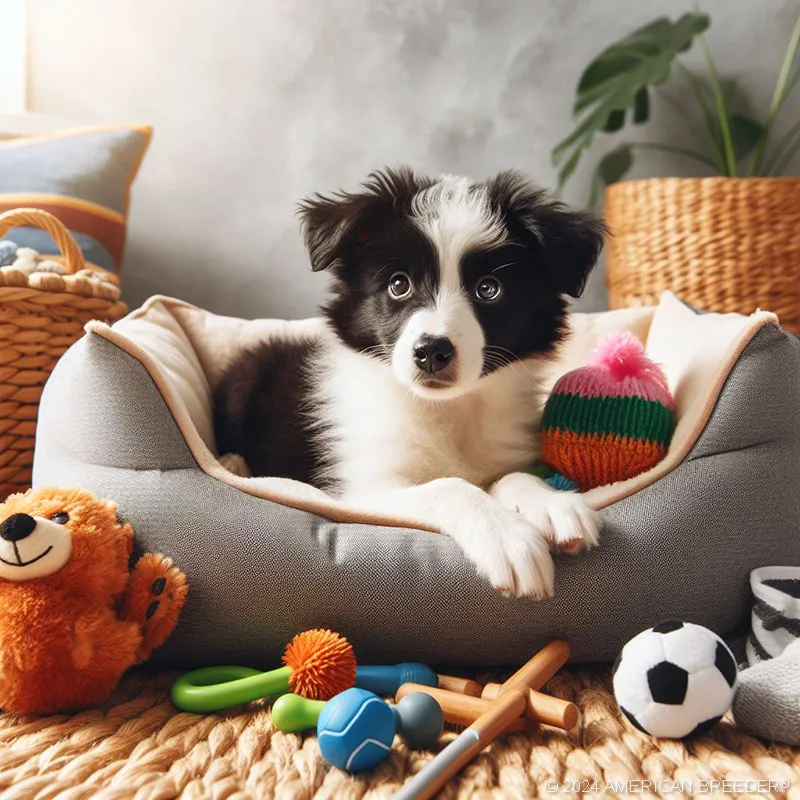 These dogs are not just pets—they are partners, workers, and companions rolled into one remarkable package. With their sharp minds, unyielding focus, and boundless energy, they demand much from their owners but give back tenfold in loyalty, joy, and devotion. Owning a Border Collie is a privilege and a responsibility, one that brings both challenges and immeasurable rewards.
In this comprehensive guide, we delve deep into every facet of the Border Collie’s world. From their fascinating origins and stunning physical characteristics to their unique temperament, training needs, and health considerations, this guide serves as the definitive resource for understanding and caring for this extraordinary breed.
The Origins of the Border Collie
The Border Collie’s history is as rich and layered as the landscapes it once worked upon. Emerging from the rugged borderlands between England and Scotland, these dogs were bred specifically for herding livestock across challenging terrain. Their very name—“Border” referencing their geographical origin and “Collie” derived from the Scottish term for sheepdog—tells the story of a breed created with purpose and precision.
The breed’s ancestors likely included a mix of Roman herding dogs and Viking spitz-type breeds, which intermingled over centuries to produce a dog uniquely suited for the work and climate of the region. The traits most valued by shepherds—keen intelligence, tireless energy, and the ability to work independently—became the hallmarks of the breed we know today.
One of the most influential figures in Border Collie history is Old Hemp, a working dog born in the late 19th century who became the breed’s prototype. Known for his calm yet commanding herding style, Old Hemp’s legacy shaped the Border Collie’s reputation as the ultimate sheepdog. Today, these dogs are celebrated not only for their work in agriculture but also for their versatility in modern roles, including search and rescue, therapy, and competitive sports.
Physical Characteristics of the Border Collie
The Border Collie is a picture of athleticism and grace, with a medium-sized, balanced frame built for endurance and agility. Males typically stand 19 to 22 inches at the shoulder, while females are slightly smaller at 18 to 21 inches. Weighing between 30 and 45 pounds, they are lean but muscular, capable of sprinting after sheep or leaping through an agility course with ease.
Their coat comes in two varieties: rough and smooth. The rough coat is medium-length and feathered, while the smooth coat is shorter and sleek. Both types are weather-resistant, a nod to the breed’s origins in the harsh climates of the borderlands. Coat colors and patterns are highly varied, with the classic black-and-white being most iconic, though red, blue merle, tricolor, and even solid colors are also common.
Perhaps the breed’s most captivating feature is its eyes. Almond-shaped and deeply expressive, their gaze—often referred to as the "Border Collie stare"—is both intense and intelligent. This distinctive look is an essential tool in herding, allowing them to control livestock with nothing more than their piercing focus. Upright or semi-erect ears further emphasize their alertness, making them appear ever-ready for action.
Chapter 3: Temperament and Personality
Border Collies are renowned for their intelligence, ranking consistently as the smartest dog breed in the world. But their brilliance is matched by their drive and energy, traits that make them exceptional workers and companions but also require an owner who can meet their needs.
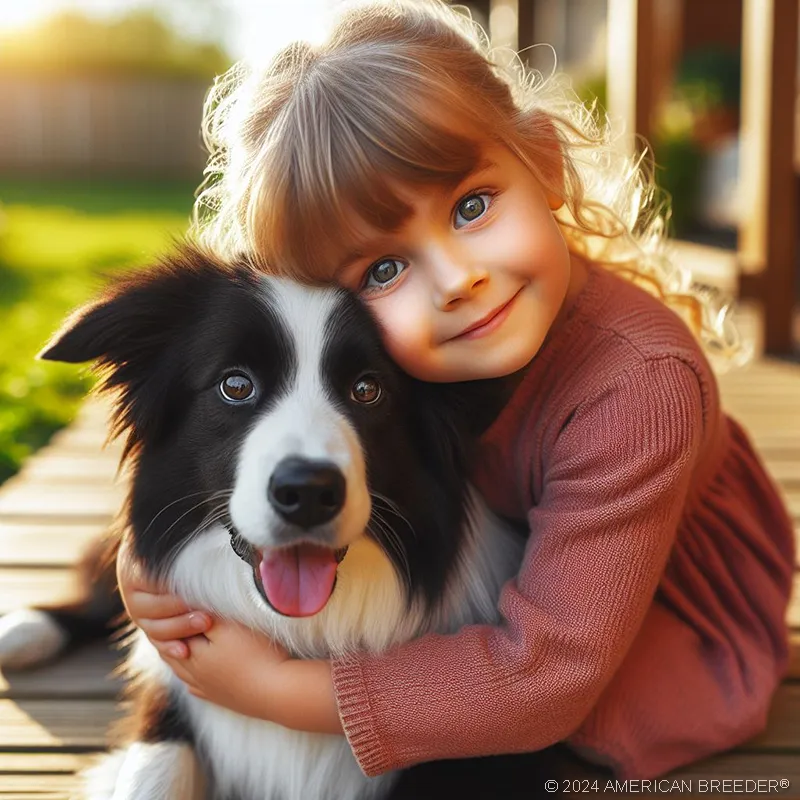 These dogs are highly intuitive, often seeming to anticipate commands before they are given. Their eagerness to please and quick learning ability make training a joy for experienced handlers, though their intelligence can lead to stubbornness if not properly channeled. They are naturally observant and sensitive, often forming deep bonds with their families.
While affectionate with their owners, Border Collies can be reserved around strangers. Early socialization is essential to help them navigate new environments and people with confidence. They are happiest when they have a job to do, whether that’s herding sheep, mastering an agility course, or simply engaging in a game of fetch. Their playful and sometimes quirky personalities bring endless joy to those lucky enough to share their lives.
First-Time Owners vs. Experienced Owners
Border Collies are often described as the “Einsteins” of the dog world—a label that is both a compliment and a warning. Their unparalleled intelligence, high energy levels, and strong herding instincts make them a dream for experienced owners who thrive on training and activity, but they can be overwhelming for first-time dog owners unprepared for the breed’s demands.
For first-time owners, the biggest challenge lies in understanding the commitment required to meet a Border Collie’s needs. These dogs don’t just want exercise; they crave mental stimulation and purposeful tasks. Without these outlets, their boundless energy can manifest in problematic behaviors, such as excessive barking, destructive chewing, or attempts to herd everything in sight—including children and other pets. First-time owners may also find the Border Collie’s need for consistent training and engagement more demanding than anticipated.
Experienced owners, particularly those familiar with working or high-energy breeds, are often better equipped to provide the structure and stimulation that Border Collies thrive on. They understand the importance of regular, challenging activities and are more likely to have the patience and knowledge to address breed-specific behaviors. However, even experienced owners must approach this breed with humility and adaptability, as no two Border Collies are exactly alike.
First-time owners who are committed to the breed should prepare themselves through research, training classes, and connecting with Border Collie communities. Starting with a puppy or adopting an adult dog from a rescue organization with a known temperament can also make the transition smoother. With dedication and the right mindset, even first-time owners can successfully care for and enjoy the incredible companionship of a Border Collie.
Puppy Care and Development
Raising a Border Collie puppy is a rewarding yet demanding experience. These intelligent pups are quick learners, but their curiosity and energy require careful management from day one. Early socialization, consistent training, and an enriching environment are key to ensuring they grow into well-rounded adults.
 The first few months of a Border Collie puppy’s life are crucial for social development. Exposing them to a variety of environments, people, and other animals helps them build confidence and reduces the likelihood of fear or aggression later in life. Puppy socialization classes are an excellent way to introduce them to other dogs in a controlled setting while also beginning their basic obedience training.
Training should start as early as possible. Border Collie puppies are highly trainable, but their intelligence means they can quickly pick up bad habits if not guided properly. Crate training, potty training, and basic commands like “sit” and “stay” form the foundation of their education. Short, frequent training sessions are more effective than long, repetitive ones, as puppies have limited attention spans.
Teething is another significant phase in puppy development. Providing appropriate chew toys helps alleviate discomfort and prevents them from chewing on furniture or other household items. Establishing boundaries during this stage is critical, as their herding instincts and sharp little teeth may lead to playful nipping, which should be redirected appropriately.
Raising a Border Collie puppy is an investment of time and energy, but the bond formed during these early months is unparalleled. With patience and consistent effort, you’ll nurture a loyal, intelligent companion who brings joy for years to come.
Interactive and Enrichment Ideas
Border Collies are not content to simply lounge around; they thrive on activities that challenge their minds as much as their bodies. Incorporating enrichment into their daily routine not only keeps them happy but also prevents boredom-related behaviors like barking or destructive chewing.
Interactive games are a fantastic way to engage a Border Collie. Hide-and-seek, where they search for hidden treats or toys, taps into their problem-solving abilities and keeps their noses busy. Puzzle toys and treat-dispensing games provide similar benefits, turning mealtime into a mentally stimulating activity.
For outdoor enthusiasts, agility courses or DIY obstacle setups in the backyard are a perfect match for the breed’s physical and mental agility. Herding balls—large, durable balls designed for pushing and chasing—are also excellent for mimicking the work they were bred to do.
Scent games, such as hiding items with your scent on them or setting up simple scent trails, engage their natural tracking abilities. Border Collies also excel at learning advanced tricks, such as retrieving specific objects by name or performing multi-step sequences. Regularly introducing new challenges ensures they stay engaged and fulfilled.
By integrating these interactive activities into their routine, you create a life filled with purpose and excitement for your Border Collie, fostering a deeper bond and a happier home.
Breed-Specific Challenges and Solutions
Owning a Border Collie comes with unique challenges rooted in their intelligence, energy, and strong herding instincts. While these traits make them extraordinary companions, they can also lead to difficulties if not properly managed. Understanding these challenges and how to address them is essential for a harmonious relationship.
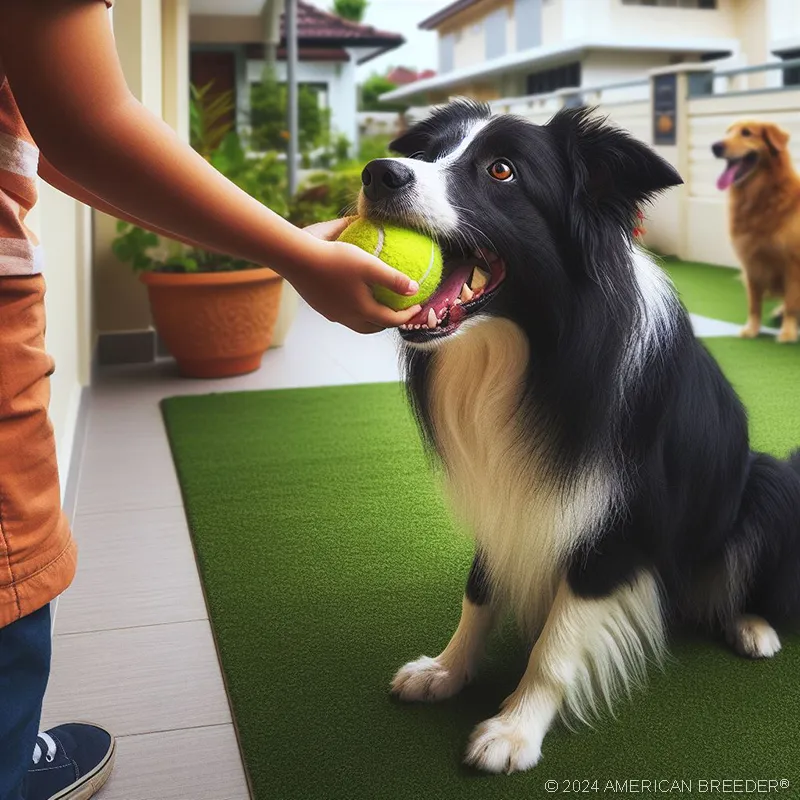 One common issue is excessive barking, which often stems from boredom or frustration. Border Collies are vocal communicators, but with sufficient exercise and mental stimulation, this behavior can be minimized. Teaching commands like “quiet” and rewarding calm behavior helps manage their vocal tendencies.
Another challenge is their herding behavior, which can sometimes target children, other pets, or even moving vehicles. Redirecting this instinct into appropriate activities, such as herding trials or structured play, satisfies their natural drive. Training them to respond to commands like “leave it” or “come” ensures better control in everyday situations.
Border Collies are also prone to separation anxiety due to their strong bonds with their owners. Gradual desensitization to alone time, combined with puzzle toys or calming aids, can help ease their anxiety. Creating a consistent routine and providing plenty of exercise before leaving them alone can also reduce stress.
Their intelligence can be a double-edged sword, as they quickly learn both good and bad behaviors. Consistency in training and providing clear boundaries prevents them from becoming stubborn or testing limits. With the right approach, these challenges become opportunities to build trust and understanding.
Training and Exercise Needs
For the Border Collie, training is not just a necessity—it’s a joy. These dogs thrive on learning and performing tasks, making them natural stars in obedience, agility, and even trick training. Positive reinforcement methods work best, as they respond eagerly to praise, treats, and play.
Mental stimulation is just as crucial as physical exercise for this breed. Puzzle toys, scent games, and advanced training challenges keep their sharp minds engaged and prevent boredom. Without sufficient stimulation, their energy can manifest in undesirable behaviors like excessive barking or destructive chewing.
In terms of exercise, Border Collies need at least 1.5 to 2 hours of vigorous activity every day. This can include long walks, runs, or structured play like frisbee or flyball. Their stamina and drive make them excellent companions for active individuals or families, but they require consistency and commitment to meet their physical and mental needs.
Health and Care
The Border Collie is a generally healthy breed, with a lifespan of 12 to 15 years. However, they are prone to certain genetic conditions, including hip dysplasia, Collie Eye Anomaly (CEA), and epilepsy. Regular health screenings and preventive care are essential to ensure their well-being.
Grooming requirements are moderate, with weekly brushing sufficient to keep their double coat in good condition. During shedding seasons, more frequent brushing may be needed to manage loose fur. Regular dental care, nail trimming, and ear cleaning are also important components of their grooming routine.
 A high-quality diet tailored to their activity level is crucial for maintaining their health and energy. Look for foods rich in protein and omega-3 fatty acids to support their muscles and joints. Portion sizes should be carefully monitored to prevent overeating, as their active nature doesn’t mean they’re immune to weight gain.
Socialization and Compatibility
Border Collies are highly social but can be cautious around strangers. Early socialization is vital to help them develop confidence and good manners. They typically do well with children and other pets, though their herding instincts may lead to playful nipping or attempts to "organize" the household.
Introducing them to a variety of environments, people, and animals from a young age helps them adapt to new situations. Whether living in a bustling family home or as the sole companion to an active individual, Border Collies thrive on interaction and connection.
Living with a Border Collie
Bringing a Border Collie into your home is an exciting adventure, but it requires preparation and understanding. These dogs are not content with a sedentary lifestyle or minimal interaction—they need an environment that fosters their physical and mental growth. Living with a Border Collie means embracing their boundless energy, remarkable intelligence, and insatiable curiosity.
A Dynamic Household Companion
Border Collies are most at home in active households where they can participate in daily routines. Whether it’s accompanying their owners on a morning jog, helping to “herd” children during playtime, or mastering tricks for a family talent show, they thrive when they’re included in the action. Their playful nature brings joy to everyday life, but they also need calm moments to rest and recharge.
Their natural instincts often manifest in endearing quirks, such as organizing toys, nudging objects into place, or circling the yard as if it were their flock. These behaviors are a window into their herding heritage and can be channeled into structured activities like obedience training or agility sports.
Apartment Living vs. Spacious Homes
While Border Collies are adaptable, their high energy levels and need for stimulation make them better suited to homes with access to outdoor space. A yard where they can run freely is ideal, but it’s not a substitute for daily walks or exercise. In urban settings, frequent trips to parks or dog-friendly spaces can help meet their needs.
Apartment living can work for Border Collies, but only with a dedicated owner who is willing to invest time and energy into keeping them active. Without sufficient outlets for their energy, they can become frustrated or develop undesirable behaviors, such as excessive barking or destructive chewing.
Essential Home Adjustments
Creating a Border Collie-friendly home involves more than just space—it requires an environment that supports their intelligence and drive. A few key adjustments can make a world of difference -
- Interactive Toys: Puzzle feeders and treat-dispensing toys are excellent for keeping them mentally engaged.
- Secure Fencing: Their herding instincts and curiosity can lead them to wander, so a secure yard is essential.
- Quiet Space: While they love action, Border Collies also need a calm area where they can retreat and relax after a busy day.
Living with a Border Collie is a partnership. They bring endless enthusiasm, loyalty, and charm into a home, but they also require thoughtful care and commitment. With the right environment, they’ll reward their families with years of companionship and joy.
Exercise and Enrichment
For a Border Collie, exercise and mental enrichment are non-negotiable. These dogs are built to work, and their physical and mental stamina demand daily activities that challenge both body and mind. Neglecting this aspect of their care can lead to frustration and boredom, often resulting in behavioral issues.
Physical Activity: Meeting Their Energy Needs
Border Collies are natural athletes, and their daily exercise requirements far exceed those of most breeds. At least 1.5 to 2 hours of activity per day is essential to keep them healthy and happy. Activities like long walks, hikes, or playing fetch provide excellent opportunities to burn off energy.
 For owners who enjoy structured activities, dog sports such as agility, flyball, and herding trials are perfect outlets. These sports tap into the breed’s natural instincts and provide both physical exertion and mental stimulation.
Mental Stimulation: Keeping Their Minds Sharp
Mental enrichment is as important as physical exercise for Border Collies. Their intelligence makes them quick learners, but it also means they need constant challenges to stay engaged. Interactive games, puzzle toys, and obedience training sessions are great ways to stimulate their minds.
Activities like scent work or hide-and-seek are particularly effective at engaging their problem-solving abilities. Training them to perform advanced tricks, such as retrieving specific items by name, satisfies their desire to learn and bond with their owner.
Balancing Activity and Rest
While Border Collies thrive on activity, rest is equally important to their overall well-being. Providing downtime in a quiet space helps them recover from intense exercise and prevents overexertion. Recognizing the signs of fatigue, such as excessive panting or slowing down, ensures their exercise routine remains safe and sustainable.
Enrichment is not just about keeping them entertained—it’s about fulfilling their inherent need to work and think. A well-exercised and mentally stimulated Border Collie is a joy to live with, showcasing the best of their intelligence and energy.
Adaptability to Modern Roles
While Border Collies are historically known as herding dogs, their intelligence and versatility have allowed them to excel in a wide range of modern roles. From competitive sports to therapeutic services, these dogs continue to demonstrate their value and adaptability in today’s world.
In competitive dog sports, Border Collies dominate events like agility, flyball, and obedience trials. Their speed, focus, and eagerness to please make them natural competitors, often outperforming other breeds in these physically and mentally demanding activities. These sports not only showcase their abilities but also provide an outlet for their energy and intelligence.
Their keen senses and problem-solving skills have made them valuable assets in search-and-rescue operations. Border Collies are often trained to locate missing persons in challenging environments, using their acute sense of smell and endurance to cover vast areas efficiently.
As therapy and emotional support animals, Border Collies offer comfort and companionship to individuals with mental health challenges. Their empathetic nature and ability to learn specific tasks, such as retrieving medication or providing deep pressure therapy, make them ideal for these roles.
Even in urban environments, Border Collies adapt by taking on roles that utilize their intelligence, such as assisting with advanced tricks in film and television or participating in dog-assisted education programs. Their versatility ensures they remain not only relevant but indispensable in various aspects of modern life.
Health and Longevity
Border Collies are generally healthy dogs, but like all breeds, they are prone to specific health issues. Understanding these potential challenges and taking proactive measures ensures your dog lives a long, healthy life filled with vitality and happiness.
Common Health Concerns
Border Collies are known for their resilience, but certain conditions are more prevalent in the breed. Hip dysplasia is one such issue, a hereditary condition that affects the hip joint and can lead to arthritis if untreated. Regular vet check-ups and maintaining a healthy weight are crucial for managing this condition.
 Collie Eye Anomaly (CEA) is another breed-specific concern, affecting the development of the retina and potentially leading to vision problems. Responsible breeders test for CEA to reduce its prevalence in puppies. Epilepsy, though less common, can also occur and is manageable with proper veterinary care.
Nutrition and Preventive Care
A high-quality diet tailored to their energy needs is essential for maintaining a Border Collie’s health. Look for foods rich in lean protein, healthy fats, and essential nutrients to support their active lifestyle. Regular meals combined with fresh water and appropriate treats keep them in peak condition.
Preventive care is equally important. Regular vaccinations, flea and tick prevention, and routine dental cleanings are the cornerstone of good health. Spaying or neutering, unless the dog is part of a responsible breeding program, also contributes to their overall well-being.
Lifespan and Senior Care
With proper care, Border Collies can live 12 to 15 years or more. As they age, their needs change, and owners must adapt to ensure their comfort and health. Joint supplements, modified exercise routines, and regular vet visits help manage the challenges of aging while keeping their golden years enjoyable.
Caring for a Border Collie is a lifelong journey, but the rewards far outweigh the effort. Their vibrant energy and zest for life make every moment with them a treasure.
Responsible Ownership and Ethical Considerations
Owning a Border Collie is an incredible experience, but it comes with significant responsibilities. This breed’s intelligence, energy, and unique needs mean they require an owner who is not only dedicated but also informed. From choosing a reputable breeder to providing lifelong care, responsible ownership is the foundation of a happy, healthy life for your Border Collie.
Ethical Breeding Practices
When acquiring a Border Collie, it’s crucial to support ethical breeding practices. Reputable breeders prioritize the health and temperament of their dogs over profit, conducting genetic testing to screen for conditions like hip dysplasia and Collie Eye Anomaly (CEA). They also ensure their puppies are well-socialized and raised in clean, loving environments.
Avoid purchasing dogs from puppy mills or pet stores, as these establishments often prioritize quantity over quality, leading to health and behavioral issues. Instead, seek out breeders who -
- Provide health certificates and detailed medical histories.
- Allow you to visit their facilities and meet the puppy’s parents.
- Are transparent about their breeding practices and the care they provide.
Alternatively, consider adopting from a rescue or shelter. Many Border Collies in need of homes are just as loving and capable as those from breeders, offering a second chance to a dog who may otherwise be overlooked.
Time and Commitment
Border Collies are not a low-maintenance breed. Their physical and mental needs demand significant time, energy, and resources. Owners must commit to daily exercise, consistent training, and regular grooming to keep their dog happy and healthy.
 These dogs thrive in environments where they can be active participants in their family’s life. They are not suited to homes where they are left alone for long periods, as isolation can lead to boredom and anxiety. For individuals or families with busy lifestyles, owning a Border Collie may not be the best choice.
Spaying, Neutering, and Responsible Breeding
For most pet owners, spaying or neutering is a responsible choice that contributes to better health outcomes and helps control the pet population. Altering your dog can reduce the risk of certain cancers and behavioral issues, ensuring they live a longer, healthier life.
For those interested in breeding, it’s essential to approach it responsibly. This involves-
- Gaining a deep understanding of genetics and breed standards.
- Ensuring the health and temperament of both sire and dam.
- Being prepared to provide lifelong support to the puppies you produce.
Ethical breeding is not about financial gain; it’s about preserving and improving the breed.
Education and Advocacy
Being a responsible Border Collie owner means educating yourself and others about the breed’s unique needs. Advocate for their proper care by sharing knowledge about their energy levels, intelligence, and health requirements. Responsible ownership extends beyond your own dog—it’s about contributing to a culture of care and understanding for all dogs.
When approached with care, dedication, and ethics, owning a Border Collie is one of life’s most rewarding experiences. Their boundless love, loyalty, and intelligence make every effort worthwhile, creating a bond that lasts a lifetime.
Legal Responsibilities and Regulations
Owning a Border Collie—or any dog—means understanding and adhering to the legal responsibilities that come with pet ownership. These laws and regulations are designed to ensure the safety of your dog, your community, and the environment. By familiarizing yourself with these requirements, you demonstrate your commitment to responsible ownership while protecting your Border Collie’s well-being.
Licensing and Identification
One of the most basic legal responsibilities for dog owners is licensing. Most municipalities require dogs to be registered, which typically involves paying a small annual fee and providing proof of vaccinations, particularly rabies. Licensing serves multiple purposes -
- It ensures that your dog’s vaccinations are up to date, keeping them and your community safe.
- It makes it easier to reunite you with your dog if they become lost, as licensed dogs often wear a tag with identifying information.
In addition to a license, microchipping your Border Collie is a highly recommended form of permanent identification. This simple, one-time procedure involves placing a tiny chip under your dog’s skin that can be scanned to reveal your contact information. Microchipping greatly increases the likelihood of being reunited with your pet if they ever go missing.
Leash Laws and Public Behavior
Leash laws vary by location, but they are a common legal requirement in many urban and suburban areas. These laws are designed to protect both your dog and the public by preventing accidents, such as your dog chasing after cars, wildlife, or other animals.
 Border Collies are highly intelligent and energetic, which can sometimes lead to unexpected behaviors in public. Proper training is essential to ensure they are well-behaved when walking on a leash or interacting with strangers. While their natural herding instincts can be endearing, they should not attempt to "round up" children, cyclists, or other pets during outings.
Familiarize yourself with leash laws in your area, as some communities also designate specific off-leash parks or trails where your Border Collie can run freely. These spaces provide excellent opportunities for exercise and socialization, but always ensure your dog has reliable recall skills before letting them off-leash.
Vaccination Requirements
Vaccinations are not only crucial for your Border Collie’s health—they’re often legally required. Core vaccines, such as those for rabies, distemper, and parvovirus, are mandatory in most jurisdictions, and failure to vaccinate your dog can result in fines or other penalties.
Some areas may also require non-core vaccines, such as those for leptospirosis or Lyme disease, depending on local risk factors. Keep a record of your dog’s vaccinations and bring it with you when traveling, as some locations may require proof of vaccination to enter parks, boarding facilities, or events.
Noise and Nuisance Laws
Border Collies are known for their vocal nature, especially if they are bored or under-stimulated. While barking is a natural form of communication, excessive noise can lead to complaints from neighbors and potential legal consequences.
To prevent issues, provide your dog with sufficient exercise and mental stimulation to reduce boredom-related barking. Training your Border Collie to respond to commands like “quiet” can also help manage their vocal tendencies. Being proactive in addressing any concerns from neighbors demonstrates your commitment to being a considerate and responsible dog owner.
Traveling with Your Border Collie
When traveling with your dog, it’s essential to be aware of transportation laws and regulations. Many airlines and public transportation systems have specific rules for traveling with pets, including crate requirements and health certifications. If driving, ensure your dog is safely secured using a harness or crate to prevent distractions and accidents.
Some states or countries have breed-specific legislation, but fortunately, Border Collies are generally not restricted. However, always research your destination’s regulations to avoid unexpected complications during your travels.
Advocacy for Responsible Ownership
Being a responsible dog owner means more than just following the rules—it means advocating for the well-being of all dogs. Support initiatives that promote spaying and neutering, responsible breeding, and education about dog ownership. By setting an example and encouraging others to do the same, you help foster a culture of care and accountability that benefits both pets and people.
Owning a Border Collie is a joy, but it’s also a legal and moral responsibility. Understanding and respecting these laws ensures your dog’s safety and happiness while making you a valued member of your community.
Resources and Support
Owning a Border Collie is a journey filled with joy, challenges, and endless opportunities for learning. Whether you’re a first-time owner or a seasoned enthusiast, having access to reliable resources and support networks can make all the difference. From local services to online communities, the right tools and connections empower you to provide the best care for your intelligent and energetic companion.
Local Resources for Border Collie Owners
Finding trusted local professionals is essential for your Border Collie’s well-being. These resources not only help you meet their daily needs but also provide guidance in managing specific challenges -
- Veterinarians: A knowledgeable vet is a cornerstone of your dog’s health. Look for one with experience in working breeds or who understands Border Collie-specific health issues like hip dysplasia and Collie Eye Anomaly (CEA).
- Trainers: Professional trainers familiar with high-energy breeds can help you unlock your Border Collie’s potential. From basic obedience to advanced agility, trainers provide valuable support for this quick-learning breed.
- Groomers: While Border Collies are relatively low-maintenance, professional grooming during shedding seasons can keep their coat healthy and reduce loose fur in your home.
- Pet Supply Stores: Local stores often carry interactive toys, puzzle feeders, and training equipment tailored for active and intelligent dogs like Border Collies.
Building a rapport with these professionals creates a safety net of support, ensuring your dog has everything they need to thrive.
Online Communities and Forums
In today’s digital age, connecting with fellow Border Collie enthusiasts has never been easier. Online communities and forums provide a wealth of knowledge, advice, and camaraderie. Whether you’re troubleshooting behavioral issues or looking for new training ideas, these platforms are invaluable.
- Social Media Groups: Platforms like Facebook host breed-specific groups where owners share experiences, post tips, and offer encouragement.
- Breed-Specific Forums: Websites like Border Collie forums allow for in-depth discussions on topics ranging from health and training to working dog trials.
- YouTube Channels: Many dog trainers and Border Collie owners share engaging and educational content on YouTube, covering everything from agility techniques to grooming tips.
- Online Courses: Websites like Udemy or dedicated dog training platforms often feature courses specifically designed for high-energy breeds like Border Collies.
Engaging with these online resources not only broadens your knowledge but also introduces you to a community of like-minded individuals who share your passion for the breed.
Books and Educational Materials
Books remain a timeless and comprehensive resource for Border Collie owners. From breed-specific care guides to advanced training manuals, there’s no shortage of literature to explore.
- Training Guides: Books like The Art of Raising a Puppy by the Monks of New Skete offer foundational knowledge, while specialized guides focus on agility, herding, or obedience training.
- Breed Histories: Delve into the fascinating origins of the Border Collie with books that explore their development as one of the world’s premier working dogs.
- Behavioral Insights: Titles such as Inside of a Dog by Alexandra Horowitz shed light on canine cognition and behavior, helping you better understand your Border Collie’s unique mind.
Libraries, bookstores, and online retailers are excellent starting points for building your collection of Border Collie-focused resources.
Events and Workshops
Attending events and workshops provides hands-on learning opportunities and a chance to meet other Border Collie owners. Look for local or regional events such as -
- Agility Competitions: Watch or participate in events that showcase the breed’s remarkable athleticism and intelligence.
- Herding Trials: Experience the Border Collie’s skills in action as they manage livestock with precision and grace.
- Training Workshops: Join sessions led by expert trainers to refine your dog’s skills or tackle specific challenges.
- Dog Expos: These gatherings often feature demonstrations, product showcases, and networking opportunities tailored to dog enthusiasts.
Participating in these events strengthens your bond with your dog while immersing you in the vibrant Border Collie community.
Lifelong Learning and Support
Owning a Border Collie is a lifelong journey, and the resources available to you evolve as your dog grows and changes. Whether your dog is a mischievous puppy, an active adult, or a wise senior, the support you find through local services, online networks, books, and events ensures they live a fulfilling and happy life.
By seeking out and engaging with these resources, you become part of a larger community dedicated to celebrating and supporting this incredible breed. Together, we share in the joys and triumphs of raising one of the world’s most intelligent and versatile companions.
Overall Summary and Conclusion
The Border Collie is a breed that truly embodies excellence. From their roots as herding dogs in the rugged borderlands of England and Scotland to their modern roles as companions, competitors, and working partners, they have captivated the hearts of dog enthusiasts worldwide. Their intelligence, energy, and dedication make them unique, but it’s these very traits that require owners to approach their care with understanding, commitment, and love.
A Breed Like No Other
Border Collies are more than just dogs—they are athletes, thinkers, and loyal companions. Their sharp minds demand constant stimulation, whether through physical activity, problem-solving games, or advanced training. Owning a Border Collie is not simply about meeting their needs; it’s about partnering with them in a shared journey of discovery, growth, and connection.
Their stunning physical appearance, from their iconic black-and-white coats to their piercing gaze, is matched only by their inner qualities. The Border Collie’s devotion to their family, combined with their natural herding instincts and boundless enthusiasm, makes them a joy to live with. However, they thrive best in homes where their unique abilities are understood and embraced.
Keys to Successful Ownership
For prospective or current owners, understanding the core needs of this breed is paramount. Successful Border Collie ownership involves -
- Commitment: They require consistent training, regular exercise, and mental stimulation.
- Patience: Their intelligence and energy can sometimes lead to challenges, but patience and persistence yield incredible rewards.
- Engagement: Border Collies thrive on interaction and connection, making them ideal for active individuals or families who enjoy outdoor adventures and structured activities.
When these elements are in place, the Border Collie becomes more than just a pet—they become a treasured member of the family.
A Legacy of Excellence
Border Collies have left an indelible mark on the world, from their early days herding sheep on rugged hillsides to their modern achievements in agility, search and rescue, and even therapy work. Their legacy is one of excellence, intelligence, and unwavering dedication. Owners of Border Collies often find themselves becoming ambassadors for the breed, sharing their experiences and celebrating the remarkable qualities that make these dogs so special.
The Final Word
This guide has explored every aspect of the Border Collie, from their fascinating history and striking characteristics to their unique temperament, care needs, and role in the world. Yet, no amount of words can fully capture the joy and wonder of living with this extraordinary breed.
For those fortunate enough to share their lives with a Border Collie, the bond forged is one of mutual respect, trust, and love. They are dogs who challenge us to be better—more active, more present, and more attuned to the beauty of the world around us.
Whether you’re a lifelong fan of the breed or just beginning your journey, the Border Collie offers an experience like no other. Their intelligence, loyalty, and exuberance make them a breed to be celebrated and cherished. Owning a Border Collie is not simply about having a dog—it’s about embracing a way of life.
Border Collie Dog Quick Reference Guide
Breed Background: Origin: Scotland | Breed Purpose: Herding | AKC Class: Herding | Year Recognized by AKC: 1995

Breed Background
Origin: Scotland and England | Breed Purpose: Herding | AKC Class: Herding Group | Year Recognized by AKC: 1995
Appearance
Size: Medium | Weight: 30-55 pounds | Coat Type: Smooth or Rough, Double-Coated | Colors & Patterns: Black and White, Red and White, Merle, Tricolor, Solid Colors | Distinctive Features: Almond-Shaped Eyes, Semi-Erect Ears, Athletic Build
Temperament
Energy Level: 5/5 | Loyalty: 5/5 | Friendliness to Pets: 4/5 | Friendliness to Strangers: 3/5 | Trainability: 5/5 | Playfulness: 4/5 | Frequent Barker: 4/5 | Chase Instincts: 5/5 | Sense of Smell: 3/5 | Drive to Hunt: 4/5
Health & Care
Health Issues: Hip Dysplasia, Collie Eye Anomaly, Epilepsy | Lifespan: 12-15 years | Grooming Difficulty: Moderate | Exercise Needs: High
Socialization
Interaction with Children: Great with older children, may herd younger kids | Interaction with Pets: Generally good with other dogs, may chase smaller animals | Interaction with Strangers: Wary but not aggressive | Elderly Compatibility: Better suited for active seniors | Ease of Training: Extremely high
Suitable Living Arrangements
Apartment: No | House: Yes | Rural Area: Yes | Yard Size Requirements: Large yard preferred
Training & Obedience
Trainability: 1 (Easy) | Intelligence: 5 (High) | Obedience: 5 (High) | Problem-Solving: 5 (Advanced) | Easily Stimulated: 5 (High) | Focus Level: 5 (High) | Easily Distracted: 2 (Low)
Financial Planning
Typical Price Range: $800 - $2,000 | Initial Expenses: Purchase price, supplies, veterinary checks | Ongoing Annual Expenses: Food, grooming, routine vet care, training supplies
Breeding
Reproductive Maturity: 6-9 months | Litter Frequency: 1-2 per year | Litter Size: 4-8 puppies | Stud Cost: $500 - $2,000 | Breeding Challenges: Health screenings required to avoid genetic issues, high physical and mental stimulation needs for both dam and sire