
Fluffy Frenchies: The Ultimate Guide to Long-Haired French Bulldogs
 Meet the Fluffy Frenchie – a French Bulldog with an unexpected twist: a luxuriously long, fluffy coat! Also known as Fluffy French Bulldogs, Furry Frenchies, or even Long-Haired French Bulldogs, these rare pups are turning heads and melting hearts. In this comprehensive guide, we’ll explore everything you need to know about Fluffy Frenchies in a warm, friendly tone – from their storied origins to caring for that fabulous fur. Whether you’re a curious enthusiast or a breeder community member, read on to discover what makes these dogs so special, how to keep them happy and healthy, and why they’ve captured the imagination of dog lovers across America.
Fluffy Frenchie Origins: English Roots and the Long-Hair Gene
Despite the name, the French Bulldog’s story actually begins in England in the 19th century. Small “toy” Bulldogs were bred for bull-baiting until the sport was banned in 1835, after which breeders began refining them as companion dogs. Many English lacemakers relocated to France during the Industrial Revolution and brought along their mini Bulldogs, which were often crossed with local terriers and perhaps other small breeds. In France, these dogs (now dubbed Bouledogues Français) became beloved city companions, especially among Parisian society, and the breed we know today as the French Bulldog was born.
What about the fluffy coat? The long-hair trait in Frenchies is not from a new breed at all, but likely a quirk that’s been around since those early days. The trait is caused by a recessive gene known as Fibroblast Growth Factor 5 (FGF5), often called the “LH” gene (for “long hair”). French Bulldogs typically have a dominant short-hair gene, but if two carriers of the recessive LH gene are bred, a fluffy-coated puppy can result. This means Fluffy Frenchies can (and do) pop up naturally in purebred litters – they’re real French Bulldogs through and through, just with a genetic surprise. In fact, historians believe the LH gene has always been present at low frequency in the Frenchie lineage.
The Hidden History of Fluffy Frenchies
For much of history, however, these long-haired Frenchies were exceedingly rare. Early breeders often deemed the fluffy coat a “fault” – the breed standard favored a sleek, short coat for a tidy appearance and practical reasons. It’s said that in the 1800s, any puppies with extra fluff were quietly removed from breeding programs (and sadly, sometimes euthanized) to preserve the desired look. Myths even arose that Fluffy Frenchies must have resulted from sneaking in other breeds (like a Pekingese or long-haired Chihuahua) – a rumor that has never been proven. The more likely truth is that the recessive gene simply stayed hidden for generations due to selective breeding.
Overseas roots: The French Bulldog breed made its way to America by the late 1800s, and the American Kennel Club (AKC) recognized it in 1898. However, the official breed standards on both sides of the Atlantic specified a short, smooth coat. As a result, fluffy variants remained virtually unseen and were not openly bred – until recently. In the past decade or two, there’s been a renaissance of interest in these long-haired cuties. Breeders who carried forward the hidden gene (often through imported lines from Europe or Asia) have brought Fluffy Frenchies into the spotlight, and the trait that was once nearly bred out is now celebrated for its uniqueness. In short, Fluffy Frenchies have always been part of the Frenchie family, but only now are they getting the recognition they deserve.
What Makes Fluffy Frenchies Unique?
Fluffy Frenchies are, at their core, French Bulldogs – but with a distinctive twist that sets them apart from the standard variety. Here are the key features that make them unique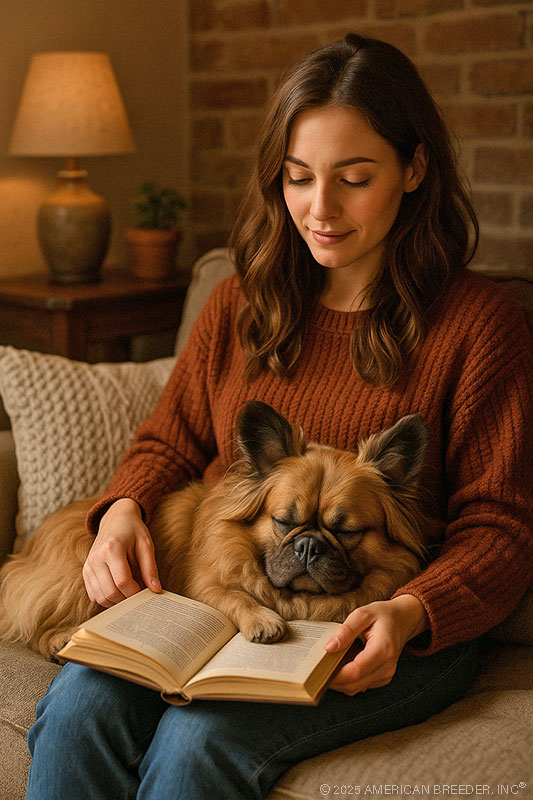
- The Fabulous Coat: The most obvious difference is that long, fluffy fur! Instead of the usual short, fine hair, Fluffy Frenchies have medium-length fur that is soft and slightly wavy. The longest tufts tend to appear around the ears, chest, and neck, giving them an endearing “mane” (some say they look like little lions as a result). Their coat can make them resemble tiny teddy bears or even koala bears, as one famous Fluffy Frenchie named “Cash” did – she went viral on social media for her cuddly koala-like appearance. Aside from length, the coat colors and patterns are the same as any Frenchie. You’ll find Fluffies in all the usual Frenchie hues: fawn, brindle, cream, pied, chocolate, lilac, and more.
- Genetic Rarity: That plush coat comes from inheriting two copies of the recessive LH gene. If a puppy gets just one copy, they’ll have the typical short coat. It takes two carrier parents to produce a fluffy pup, and even then only about 25% of a litter (on average) might end up fluffy. This makes Fluffy Frenchies quite rare. For many years, breeders didn’t focus on this trait, so finding two carriers was uncommon. Today, specialized breeders do pair carriers intentionally – but the gene is still unusual enough that Fluffy Frenchie puppies are few and far between. In simple terms, they’re a 1-in-a-million find, which adds to their allure.
Breed Standards, Appearance, and Why Fluffy Frenchies Are So Expensive
- Not Show-Approved, But 100% Frenchie: One important note is that kennel clubs like the AKC do not recognize the long hair in French Bulldogs. The breed standard calls for a “short and smooth” coat, so a Fluffy Frenchie would be disqualified from conformation shows. However, that doesn’t mean they aren’t purebred. Fluffies can be (and often are) registered as French Bulldogs if their lineage is documented; they just can’t compete in the show ring due to that coat difference. Essentially, they’re an approved exception in the hearts of owners, if not in the rulebooks. Breed enthusiasts now widely accept that Fluffy Frenchies are legitimate Frenchies, not mixes.
Signature Look and Charm: Thanks to their furry coats, Fluffy Frenchies have a slightly different look that many find irresistible. They tend to have an even softer, more plush appearance than a standard Frenchie. Those big bat ears might sport tufts of fur at the tips, and some Fluffies develop feathering on their cheeks and hindquarters. The extra fluff can accentuate their expressive round eyes and wrinkles, giving them almost a storybook character vibe. Fans often say a Fluffy Frenchie looks like a living stuffed animal or an “Ewok” from Star Wars – a comment actually echoed by social media users awestruck by Cash the Fluffy Frenchie’s photos. If you thought a regular French Bulldog was cute, a fluffy one takes it to the next level!
Designer Dog, Same Frenchie Heart
- Rarity and Value: Because they’re uncommon, Fluffy Frenchies tend to be significantly more expensive than their short-haired siblings. In the U.S., a standard French Bulldog puppy from a reputable breeder often costs around $1,500–$3,500. Fluffy Frenchie puppies, on the other hand, usually range anywhere from $5,000 up to $15,000 (or even more) due to their rarity. The exact price depends on factors like color, sex, and pedigree – exotic coat colors combined with fluff can fetch jaw-dropping prices. (One Frenchie nicknamed “Micro Machine” reportedly sold for a whopping $100,000, though he was an extremely rare case with multiple unique traits!) While cost shouldn’t be the only focus, it’s an aspect of owning a Fluffy Frenchie to be aware of. They are truly designer dogs in terms of market value.
Despite these differences, it’s crucial to remember that a Fluffy Frenchie is 99% the same as any other French Bulldog where it counts. Their size, build, and personality (more on that next!) are all essentially identical to the standard Frenchie. Think of Fluffies as a special edition of a beloved book – different cover, same amazing story inside.
Temperament and Personality Traits
Fluffy Frenchies may look a bit different, but on the inside they have that classic French Bulldog personality that has made the breed one of the most popular in the world. In a word, these dogs are affectionate clowns. They adore their people and have a knack for bringing smiles wherever they go. Here are some key temperament traits and behaviors you can expect -
- Friendly and Social: French Bulldogs are bred to be companions, and Fluffies are no exception. They love being around people – adults, kids, strangers, you name it. Most are outgoing and will happily greet new friends with wiggles and perhaps a trademark Frenchie “awooh” (some Frenchies make comical yodeling howls to express excitement). They tend to get along with other dogs too, especially if socialized young. Aggression is not common in the breed; a typical Fluffy Frenchie is more likely to try to play with a new dog than pick a fight. With proper introductions, many Fluffies even live peacefully with cats and other pets, thanks to their easygoing nature.
- Playful Goofballs: A big part of the Frenchie charm is their goofy, fun-loving streak. Fluffy Frenchies are known to be comical and playful, delighting in toys and games. They’ll enthusiastically play fetch (in their own clumsy way), tug-of-war, or just bounce around with the “zoomies” to entertain you. One blog described Fluffy Frenchies as “big goofballs” and the perfect companion dogs who love to goof around with kids. They have an infectious sense of fun – don’t be surprised if your Fluffy invents silly games or learns to do amusing “tricks” (like balancing on hind legs or talking back with funny noises) just to get your laughter and attention.
Fluffy Frenchie Temperament: Loving, Loyal, and Kid-Friendly
- Affectionate Velcro Dogs: French Bulldogs have earned a reputation as lovable lapdogs, and Fluffies are perhaps even more cuddly thanks to that soft fur. Your Fluffy Frenchie will likely want to snuggle with you on the couch, follow you from room to room, and be involved in all family activities. They thrive on human contact and togetherness. It’s not uncommon for them to insist on sleeping in the bed with you or plopping onto your lap despite their solid weight. This strong bond also means many Frenchies are prone to separation anxiety – they don’t like being left alone for long periods. A Fluffy Frenchie will be happiest in a home where someone can give them attention throughout the day or where they have another pet buddy to keep them company. In return, they’ll reward you with endless loyalty and affection.
- Gentle with Kids: One of the reasons French Bulldogs (fluffy or not) are such popular family dogs is their typically wonderful behavior with children. Fluffy Frenchies are great with kids, especially when raised with them. They have a sturdy, small-but-tough build – usually around 20–28 pounds – which is enough to enjoy active play without being so fragile as to get injured easily. They tend to be patient and tolerant of kids’ antics, and often become the children’s clownish playmate and protector. Of course, it’s always important to supervise interactions (for the dog’s sake too!), but this breed’s gentle, friendly nature makes them a solid choice for families. As one guide noted, the breed’s past as a fighter was long ago bred out; today’s Frenchies have a calm, people-oriented demeanor with almost no trace of aggression.
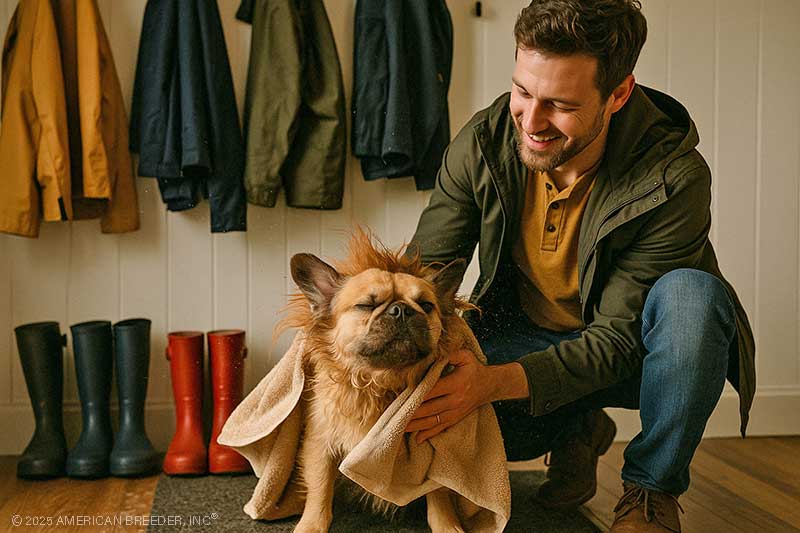 Sociable, Calm, and Great with Other Pets
- Gets Along with Other Pets: In addition to being kid-friendly, Fluffy Frenchies usually do well in multi-pet households. Their social, pack-loving temperament means they enjoy the company of other dogs. They can romp and wrestle with canine siblings (Frenchies play a bit like bulldozers, so they often get along best with dogs of similar size or larger who don’t mind rough-and-tumble fun). With smaller dogs or cats, a Frenchie’s play style might be a bit heavy, but if the other pet stands their ground, they often become inseparable pals. Early socialization is key – exposing a Frenchie pup to lots of other dogs and animals in a positive way will ensure they grow up polite and friendly. Many Fluffy Frenchies also live happily with cats; they might be curious or try to initiate play, but with a gradual introduction most Frenchies accept felines as part of the family.
- Easygoing (Mostly Quiet) Companions: Unlike some small breeds, French Bulldogs are not yappy. Fluffy Frenchies don’t bark a lot – generally they will bark to alert you if someone’s at the door or if they’re excited to see something, but they aren’t chronic barkers. In fact, many owners describe them as surprisingly quiet dogs. This low barking tendency is another reason they’re great for apartments. Your Fluffy might snort, snuffle, or “talk” in funny grunts (Frenchies are quite vocal in non-bark ways!), but continuous yapping is not in their character. They also tend to be pretty calm indoors.

- Frenchies are often content to lounge around for a good part of the day, especially as adults. While they love to play in spurts, they also love napping in a patch of sun or curled up on their favorite human’s feet. This adaptable energy level means a Fluffy Frenchie can be upbeat and active during playtime, then mellow out and just “be chill” when you’re busy or relaxing. They truly match our human routines well, which is part of their immense appeal.
- Intelligent but Stubborn: If Fluffy Frenchies have one comedic flaw, it’s a dose of Frenchie stubbornness. These dogs are smart – they understand routines and can learn commands – but they also have an independent streak. They may decide they’d rather not come when called if they’re comfy on the sofa, for instance. As one Frenchie parent quipped, “They won’t do it if there’s nothing in it for them.” The trick is making training fun and rewarding (see the Training section below). Generally, Frenchies rank as average in intelligence among dog breeds: they aren’t going to win obedience championships, but they can learn the basics and even perform cute tricks with patience. They just have a bit of a clownish, willful mind of their own at times. On the bright side, they are eager to please those they love – they thrive on positive feedback. A Fluffy Frenchie will look so proud when they finally master a command and get praise. Just don’t expect slavish obedience; sometimes that adorable fuzzy face will give you a defiant look as if to say, “Make me!” – and it’s hard not to laugh. Stay patient and consistent, and you’ll get there (with a few funny stories to tell).
- Sensitive Souls: Along with stubbornness comes a notable sensitivity. French Bulldogs in general do not respond well to harsh treatment or yelling. They can actually get their feelings hurt. If you scold a Fluffy Frenchie sternly, you might see them put their head down and sulk – they truly seem to pout when they feel criticized. This breed does best with gentle, encouraging training methods (lots of treats and happy praise). Their sensitivity also means they pick up on our emotions; your Frenchie might try to comfort you if you’re sad or mirror your excitement if you’re happy. It’s one of the reasons they make great emotional support animals – they connect with their owners on an emotional level.
In summary, a Fluffy Frenchie’s personality is a wonderful mix of sweet, silly, and sociable. They’re the kind of dog that can make you laugh daily with their antics, yet also cuddle up quietly by your side when you need comfort. They fit in well with families, singles, seniors, and pretty much anyone who wants a loving companion. Just be prepared for a dog that wants to be deeply involved in your life – these fur-babies truly become part of the family.
Fluffy Frenchies with Children and Other Pets
Two Fluffy Frenchies enjoying playtime – these dogs are typically gentle and fun-loving with kids and other animals.
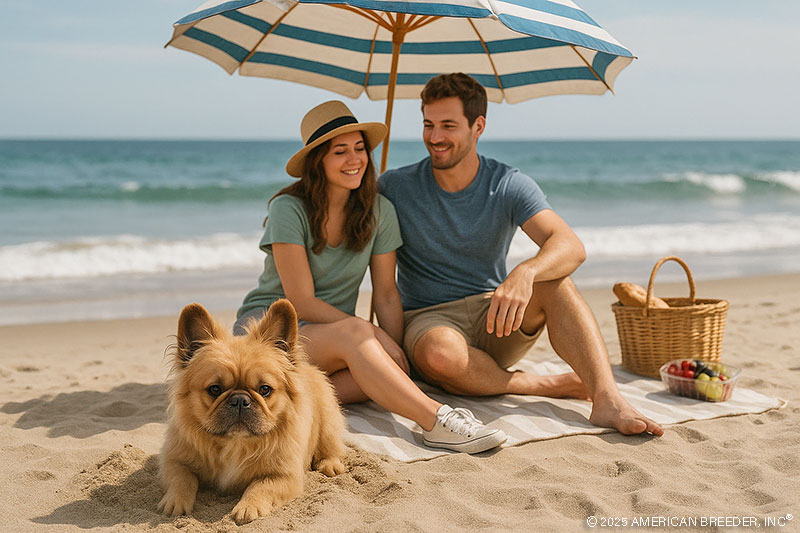 One of the most frequently asked questions about any dog breed is how they behave with kids or other animals. Fluffy Frenchies generally score top marks as family dogs. Here’s what to know -
- Interaction with Children: Fluffy French Bulldogs tend to be excellent with children, even younger ones. Their playful, gentle nature makes them well-suited to a household with kids. Frenchies are sturdy little tanks (in a cute way) – they aren’t fragile, so they usually tolerate children’s play (like being hugged or the occasional inadvertent bump) without getting snappy. In fact, many Frenchies seem to especially love kids, perhaps seeing them as fellow playmates on their level. They’ll happily chase a ball thrown by a giggling toddler, or sit patiently while a child pets them. Of course, it’s important to teach children to be gentle and respect the dog’s space (no ear or tail pulling, etc.). Supervision is wise with any dog and very small children. But compared to some high-strung breeds, Frenchies are pretty tolerant. As they also crave attention, having kids around who dote on them can be a dream come true for a Fluffy Frenchie. Many owners report their Frenchie becomes a kind of “nanny dog” – watching over the kids and cuddling with them at nap time. The breed’s low aggression and sociability mean serious incidents are rare, and any dog showing improper behavior with kids likely needs more training or socialization. In a loving environment, a Fluffy Frenchie will return the love tenfold and can grow up as your child’s best furry friend
Fluffy Frenchies and Other Pets: Social, Sweet, and Adaptable
- Other Dogs: Brought up in a social environment, Fluffy Frenchies usually enjoy the company of other dogs. They often have buddy-bonding instincts. It’s heartwarming to see two Frenchies (fluffy or otherwise) play together – they do a lot of snorting, wrestling, and side-by-side exploration. If you have a bigger dog, a Frenchie will likely still try to play; just supervise to make sure the size difference isn’t causing any accidental harm. Many French Bulldogs attend doggy daycare or dog parks and get along fine – they’re typically more lovers than fighters. Still, personalities vary, so not every Frenchie will love every dog. Early socialization (introducing them to lots of dogs during puppyhood) helps ensure they are confident and friendly. Neutering/spaying can also reduce any territorial tendencies. Overall, a Fluffy Frenchie is a pack-oriented dog who can thrive with canine siblings. They can even benefit from having another dog in the home to keep them company when humans are away (it eases that separation anxiety). Just remember that Frenchies can be a bit possessive of their food or favorite human, so managing resources and giving each dog individual attention is key to harmony.

- Cats and Other Pets: How about cats? Surprisingly, many Frenchies do fine with felines, especially if they are raised together. A Fluffy Frenchie’s first reaction to a cat might be curiosity and an attempt to play. Some cats may find a Frenchie’s boisterous approach a bit much at first. With gradual, supervised introductions, the Frenchie usually learns to respect the cat’s boundaries (a swat on the nose teaches a quick lesson!). Because Frenchies aren’t hunters (unlike some terriers or hounds), they typically do not see cats as prey. Instead, they often end up cuddling or at least peacefully coexisting. There are many adorable reports of French Bulldogs curled up with the family cat for naps. As for smaller pets like rabbits or guinea pigs, caution is advised – a Frenchie may be too interested or accidentally play too rough. But generally, Fluffy Frenchies can integrate well into multi-pet homes. They’re so adaptable and people-/pet-friendly that, with proper introductions, they tend to accept others as part of their “pack.” It’s always wise to monitor initial interactions and teach the dog polite behavior around tiny animals. Given their loving nature, don’t be surprised if your Fluffy Frenchie tries to mother a kitten or becomes inseparable from a pet pig – their capacity for friendship extends to all species!
In conclusion, Fluffy Frenchies are fantastic family dogs. They bond strongly with children and can form close friendships with other pets. Their gentle, playful demeanor usually shines in a family setting. Just be sure to socialize them early, reinforce positive interactions, and as always, supervise young kids with any dog. With those common-sense steps, a Fluffy Frenchie can be the heart and soul of a household, bringing joy to everyone from grandma to the toddler to the other family dog or cat.
Grooming Needs and Coat Care
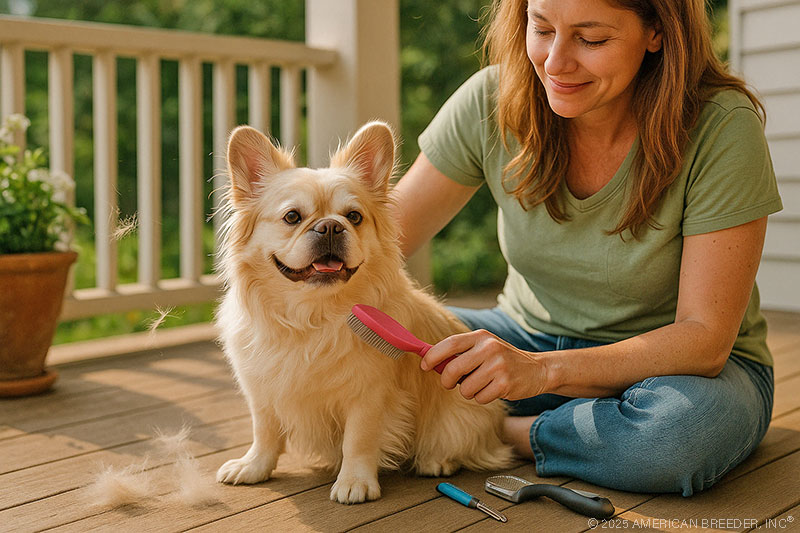 One look at a Fluffy Frenchie and you’ll notice that beautiful coat – it does require a bit more care than a standard French Bulldog’s short fur, but it’s still quite manageable. In fact, one of the perks of Fluffy Frenchies is that they don’t shed as heavily as some long-haired breeds (like Huskies or Golden Retrievers), and their grooming routine is relatively simple with the right tools. Here’s how to keep your Fluffy Frenchie looking and feeling their best -
- Brushing: Regular brushing is a must to maintain a healthy fluffy coat. Plan to brush your Fluffy Frenchie at least 1-2 times a week, if not more. Many owners find that a quick brush every other day keeps shedding under control and prevents any tangles or mats from forming. Use a slicker brush or a comb designed for medium-length fur. Focus on areas where the fur is thickest: behind the ears, around the neck “mane,” the chest, and the backs of the legs. These are spots prone to matting if not brushed. Start brushing at the fur’s tips and work inward to gently tease out knots. Most Fluffies actually enjoy brushing – it can feel like a gentle massage and an extra bonding time with you. Regular brushing also distributes natural oils, keeping their coat shiny.
- Shedding: All French Bulldogs do shed, and Fluffy ones are no different – except the hairs they drop are longer, so you might notice them more on your clothes or furniture. The good news is Fluffy Frenchies shed only moderately, not constantly. They tend to have seasonal sheds (usually in spring and fall) where they blow coat a bit more as they adjust to temperature changes. Even then, their shedding is nothing like a heavy double-coated dog – it’s usually rated as average or slightly above average in volume. With routine brushing, you’ll catch most loose hairs on the brush instead of your couch. Some owners say their Fluffy’s shedding is actually less noticeable day-to-day than a short-haired Frenchie’s, because the longer hairs clump and stay put until brushed, whereas short hairs weave into fabrics. Regardless, if you have allergies, note that Fluffy Frenchies are not hypoallergenic – they produce dander and shed fur, which can trigger allergies just as any dog would. So, despite the long coat, don’t expect them to be allergy-friendly. Frequent vacuuming and air purifiers can help if you have a mild dog allergy but still want to live with a Frenchie.

- Bathing: French Bulldogs aren’t especially smelly dogs, and Fluffies usually only need a bath every 4-8 weeks, depending on how dirty they get. Over-bathing can dry out their skin. When you do bathe your Fluffy, use a gentle dog shampoo (preferably oatmeal-based or formulated for sensitive skin) and conditioner to keep their fur soft. Always rinse thoroughly – leftover shampoo can irritate their skin or cause flakes. After the bath, drying is important. Because of the thicker coat, let them shake off excess water, then towel-dry by patting (don’t rub too hard or you’ll tangle the fur). You can use a blow dryer on a low-heat setting if your Frenchie tolerates it, keeping it at a safe distance to avoid overheating the dog. Brushing while blow-drying helps prevent any mats from forming as the hair dries. Alternatively, you can let them air-dry in a warm room and then give a final brush-out once completely dry. Many Fluffies will be extra frisky after a bath (cue the zoomies!), so bath time can be followed by a play session to burn off that post-bath energy.
- Trimming and Professional Grooming: In terms of haircuts, Fluffy Frenchies generally do not require regular trimming of the coat like poodles or shih tzus do. Their fur reaches a certain length (usually a couple of inches at most) and then stops, so it doesn’t keep growing indefinitely. You can trim some areas for neatness if needed – for example, some owners carefully trim the long hairs around the paws/pads to prevent dirt accumulation, or trim around the sanitary areas for cleanliness. If the ear fringe gets really long, a tiny trim could neaten it, but be cautious and use blunt-tipped scissors or have a groomer help. It’s a good idea to visit a professional groomer occasionally (perhaps a few times a year) who has experience with long-haired small breeds. They can do tasks like trimming nails (which should be done at least monthly), cleaning the ears, and maybe doing a “feather trim” on the longer fur sections to shape them nicely. A groomer can also give your Fluffy a good de-shedding treatment during heavy shed seasons, using special tools to remove undercoat. However, day to day, you as the owner can handle most grooming with basic brushing and bathing. It’s wise to get your Fluffy Frenchie used to being groomed from puppyhood – make brushing, touching paws, and cleaning wrinkles a positive, treat-filled experience. That way, grooming stays stress-free for life.
- Skin Folds and Facial Care: Like all French Bulldogs, Fluffy Frenchies have those adorable face wrinkles and perhaps a slight nose roll (the fold above the nose). These skin folds need regular cleaning to prevent irritation or infection. About once a week (more if your dog is prone to tear stains or gets dirty often), gently wipe the folds with a damp cloth or a pet-safe wipe to remove dirt and moisture. Make sure to dry the folds after wiping, since trapped wetness can breed bacteria. Long-haired Frenchies may have a bit more hair in their facial folds, so take care to be thorough. Also check their ear canals weekly – their bat ears give good airflow, but you want to ensure there’s no buildup of wax or debris. Use a vet-recommended ear cleaner if needed, and cotton balls (never Q-tips deep in the ear).

- Eye and Tear Stain Care: Frenchies sometimes get tear staining (rust-colored stains under the eyes) especially in lighter-colored dogs. Fluffies with long facial hair might show these stains more if tears accumulate. Keep the area under the eyes clean and dry. You can use specific tear stain wipes or just a soft cloth and warm water regularly. If tear stains are heavy, it might indicate an eye irritation or blocked tear duct, so a vet check could help. Often, though, it’s cosmetic and can be managed with routine cleaning. The long hair doesn’t necessarily make tearing worse; it’s more about facial structure. Some owners carefully trim the fur just around the eyes if it’s catching tears, but be extremely careful or have a groomer handle that to avoid any injury.
- Nail Trimming and Paw Care: Don’t forget to trim those nails! Frenchies, being not super active outdoors, often don’t wear their nails down naturally. Aim to trim nails every 2-3 weeks so they don’t get long enough to click on the floor. Long nails can splay their feet or make walking uncomfortable. If your Frenchie hates nail trims, a groomer or vet tech can do it quickly. Also, trim the hair between paw pads if your Fluffy has fuzzy feet – hair here can trap dirt or cause them to slip on floors, so keeping it short is helpful.
- Dental Care: This isn’t coat-related, but worth mentioning in grooming: French Bulldogs can be prone to dental plaque and gum issues due to their jaw structure. Brushing your Fluffy’s teeth a few times a week (or daily, ideally) with dog toothpaste will keep their breath fresh and prevent dental disease. Dental chews or toys can also help scrape off tartar. Good oral hygiene contributes to overall health and will keep your Frenchie’s loving kisses much sweeter!
Overall, grooming a Fluffy Frenchie is a bit more involved than grooming a short-haired Frenchie, but it’s far from onerous. Many owners find the routine actually enjoyable – a relaxing time to bond with their pet. Your Fluffy will likely love the extra attention of grooming sessions. By keeping up with brushing and basic care, you’ll have a dog that not only looks gorgeous but also feels great. A well-groomed Fluffy Frenchie has a soft, mat-free coat, healthy skin, and a clean, happy face – ready for all those cuddles and Instagram photos!
Health Considerations for Fluffy Frenchies
Fluffy Frenchies have all the same health considerations as standard French Bulldogs. The long-hair gene itself doesn’t introduce known health problems, but because French Bulldogs as a breed have certain predispositions, prospective owners should be aware of these. Responsible breeders and owners can do a lot to manage and mitigate health issues, but it’s important to go in with eyes open. Here are the main health considerations and breed-specific issues -
- Brachycephalic Airway Syndrome (Breathing Issues): French Bulldogs are a brachycephalic (flat-faced) breed. Those cute smushed noses unfortunately come with potential breathing difficulties. Many Frenchies have Brachycephalic Obstructive Airway Syndrome (BOAS) to some degree – meaning they may have narrow nostrils, an elongated soft palate, or small windpipes that make airflow less efficient. As a result, Frenchies can snore, snort, and get winded easily. Fluffy Frenchies are no different. Owners should be attentive to signs of severe airway obstruction: excessive panting, loud raspy breathing, or turning blue from lack of oxygen (in extreme cases). Most Fluffies live normal lives but struggle in hot weather or during heavy exercise because they can’t cool off by panting as effectively. Many need occasional rest breaks and air conditioning in summer to avoid overheating (more on environment in the next section). In some cases, surgery can widen a Frenchie’s nostrils or shorten the soft palate to improve breathing – something to discuss with a vet if your Fluffy has major issues. Snoring and snorting, however, are par for the course – you’ll probably get used to the rhythmic snores of your little buddy sleeping next to you! It’s actually endearing to many owners. Just be mindful that their breathing is a bit compromised, so keep strenuous activities and heat exposure limited.
- Temperature Regulation Problems: Because of the breathing challenges, Frenchies overheat more easily than other dogs. Dogs cool off by panting, and if a Frenchie can’t pant efficiently, heat can build up quickly, leading to heat exhaustion. The Fluffy’s coat adds an extra wrinkle – that lovely fur provides some insulation. While it’s not an extremely thick undercoat, it still means a Fluffy Frenchie might run slightly warmer than a short-haired one. So, hot weather caution is critical: avoid intense exercise in heat, provide plenty of water, shade, and air conditioning, and never ever leave a Frenchie in a car. On warm days, many Frenchie owners use cooling vests or mats and keep walks very short. Know the signs of overheating (excessive drooling, weakness, very red gums/tongue) and act fast if seen. On the flip side, Frenchies can also get chilled in very cold weather. They have a single coat (even Fluffies don’t have a true double coat like huskies), so they are not built for freezing temperatures. A Fluffy’s fur gives some extra warmth compared to a standard Frenchie, but you’ll likely still need a doggy sweater or jacket for winter outings in cold climates. In summary, these dogs do best in temperate indoor environments. They’re not outdoor dogs who can self-regulate temperature well.
- Eye Problems: Those big, beautiful Frenchie eyes are somewhat vulnerable. French Bulldogs can experience eye issues such as cherry eye (a prolapse of the third eyelid gland), corneal ulcers (from eyes bulging and possibly getting scratched), or irritations from dust. In Fluffy Frenchies, the longer hair around the face could potentially irritate the eyes if not kept clean. Watch for redness, excessive tearing, or your dog pawing at the eyes. Cherry eye appears as a red blob in the inner corner of the eye – it often requires vet treatment to fix (sometimes surgery). Corneal ulcers might happen if they scratch an eye on something; these can heal if caught early with medication, but can be serious if ignored. Regular vet check-ups will include an eye exam. Also, as mentioned in grooming, keep hair around eyes clean to reduce any chronic irritation. Glaucoma and cataracts can occur in the breed as they age as well. Just be mindful of eye health – if your Frenchie’s eyes look cloudy or they seem to have vision trouble, consult a vet.
- Skin and Allergy Issues: French Bulldogs often have sensitive skin and can be prone to allergies – both environmental (like pollen, dust mites) and food allergies. You might notice your Fluffy Frenchie scratching, getting red itchy patches, or recurrent ear infections; these can be signs of allergies. The skin folds can get infected (fold dermatitis) if not kept clean, as noted before. Regular bathing (with gentle shampoo) and wiping of wrinkles will help prevent bacterial or yeast growth. Many Frenchies require a special diet or supplements to keep their skin healthy (more in the diet section). One advantage of the long coat is it might protect the skin a bit from environmental allergens like grass, but it’s minor. Fluffies can also get hot spots or moist dermatitis under their thicker fur if moisture is trapped – if you notice a wet, red patch, treat it promptly by cleaning and keeping it dry (and see a vet if it looks severe). Frenchies are also prone to ear infections, often related to allergies. Those upright ears catch everything. Check ears weekly and keep them clean and dry. Overall, be vigilant about itching or redness – a healthy Frenchie should have smooth (if wrinkly) skin without excessive itching. With good grooming and possibly dietary adjustments, skin issues can be managed. Some owners even report that their Fluffy seems to have fewer skin issues than their short-haired Frenchies – possibly because dedicated breeding for Fluffies is newer and breeders might also select for health traits. In any case, it’s something to watch.
- Orthopedic and Spinal Issues: The Frenchie’s build – a compact body, short legs, and a naturally short tail – predisposes them to a couple of structural problems. One is intervertebral disc disease (IVDD), a spinal condition where discs can herniate (bulge or burst), causing pain or even paralysis. Frenchies have a screw tail (curly tail) gene that is actually associated with some spinal deformities like hemivertebrae (wedged-shaped vertebrae). Many Frenchies have some hemivertebrae in their spine and are fine, but in some it can lead to instability. A Fluffy Frenchie with a screw tail (the little corkscrew tail nub) might have a slightly higher risk of back issues. There’s not much you can do genetically once you have your pup, but you can avoid activities that put undue stress on their back: for example, minimize jumping off furniture or going up lots of stairs. Using pet ramps or steps for beds/sofas can help protect their back. Keep them at a healthy weight so there’s less strain on the spine. Know the signs of disc problems – sudden hind leg weakness, yelping, or inability to walk properly – and seek immediate vet care if those occur. Some Frenchies may need surgery for severe IVDD, while others can recover with rest and meds. It’s a risk to be aware of. Additionally, patellar luxation (kneecaps that slip out of place) is relatively common in small breeds, including Frenchies. This can cause skipping lameness or arthritis over time. Most cases are mild; severe ones might need surgery. A good breeder will screen for patellar issues in their breeding dogs. At home, preventing obesity and excessive high-impact exercise can reduce joint strain.
- Digestive Issues and “Frenchie Gas”: Many French Bulldogs have rather sensitive digestion. They are notorious for being gassy dogs – flatulence can be frequent and sometimes quite… potent. This is partly due to swallowing air (from that flat face and gulping food) and partly due to diet. Don’t be alarmed; a bit of farting comes with the territory and often can be mitigated with the right diet (we’ll cover diet soon). Some Frenchies also experience episodes of vomiting or diarrhea if they eat things that don’t agree with them. Food allergies can manifest as digestive upset as well as skin issues. It might take some trial and error to find a diet that produces firm stools and minimal gas. Also note that Frenchies often eat quickly, which can lead to gagging or even choking if the kibble size is wrong. Using slow-feeder bowls (more on that in Products section) can help them digest better. Overall, digestive problems in Frenchies are usually manageable, but pay attention to their output (poop quality) and adjust diet as needed. If severe or chronic digestive issues persist, a vet check for things like inflammatory bowel disease might be needed. But the average Fluffy Frenchie will just clear the room occasionally with a “toot” and look at you like “What? That wasn’t me!”
- Reproductive and Birthing Concerns: This is more for breeders to worry about, but interesting to note: French Bulldogs often have difficulty whelping puppies naturally. Due to their puppies’ large head size and the mother’s narrow hips, many Frenchie litters are delivered by cesarean section under veterinary care. Litter sizes are also small – usually 2 to 4 puppies on average. This of course contributes to why each puppy is expensive. If you are considering breeding Fluffy Frenchies, it’s vital to have veterinary support and understand the higher risks in delivery. For pet owners, the implication is: it’s generally best to spay/neuter pet Frenchies you’re not breeding, to avoid accidental pregnancies that could be risky. Spaying/neutering also can reduce certain health risks (like mammary tumors or prostate issues) and may improve behavior. Many breeders will spay/neuter a pet-quality Fluffy before selling or require a contract to do so.
- Lifespan: French Bulldogs have a decent lifespan for a small breed, typically around 10 to 12 years, with some living to 13-14 with good care. Fluffy Frenchies fall in the same range. Keep in mind that well-bred Frenchies with fewer health issues obviously have a better chance at the higher end of that range. Ensuring your Fluffy stays at a healthy weight, gets regular vet checkups, dental care, and avoids the perils of overheating will all contribute to a long, happy life. Some Fluffies have reportedly surpassed 14 years, though that’s uncommon. As they age, they may develop arthritis, and their breathing may worsen (some older Frenchies eventually need nostril or airway surgery to help them breathe easier in their senior years. But many remain spunky and sweet well into their golden years.
 In summary, Fluffy Frenchies come with the typical Frenchie health package. They’re generally robust little dogs, but their achilles heel is their brachycephalic anatomy and a propensity for allergies and orthopedic issues. Don’t let this laundry list scare you too much – not every Frenchie will have all or even most of these problems. Many Fluffy Frenchies are quite healthy, especially if sourced from a reputable breeder who health-tests their dogs. It’s just wise to be informed. Pet insurance can be a good idea with this breed, given the possibility of costly surgeries (like for a herniated disc or stenotic nares). Above all, day-to-day conscientious care – keeping them cool, feeding high-quality food, preventing obesity, and loving them to bits – will go a long way toward preventing issues. A healthy Fluffy Frenchie is a joy, and even one with minor issues will reward your extra care with unlimited love and laughter. As one source put it succinctly: aside from their fur (and price tag), “they’re practically the same as the wrinkled, goofy dogs you’re familiar with” – so standard Frenchie health wisdom applies!
Diet and Nutrition: Feeding Your Fluffy Frenchie
Feeding a Fluffy Frenchie properly is vital to keep them in peak condition, fuel their playful energy, and minimize issues like skin allergies or digestive upset. The goal is a balanced, nutritious diet that maintains a healthy weight and supports their unique needs (like that coat and their compact build). Here’s a rundown of diet tips, recommended food types, and more -
- Caloric Needs: French Bulldogs are small but solid dogs. On average, an adult Fluffy Frenchie will eat between ~25–35 calories per pound of body weight per day, depending on their activity level and metabolism. That typically comes out to about 500–800 calories a day for most Frenchies (around 20-28 lbs). Puppies, of course, need more calories relative to their size for growth – they may eat more frequently and get more calories per pound, then taper off as they mature. It’s important not to overfeed, though, because Frenchies can gain weight easily (they love food and treats!). Obesity is dangerous for them, exacerbating breathing and joint problems. So, even though those big puppy-dog eyes will beg for more, stick to measured portions. Your vet can help determine the ideal daily calories for your individual dog. A good rule of thumb is: you should be able to feel your Frenchie’s ribs easily but not see them protruding. Adjust food if they’re getting chubby – they often only need slightly more than a couple of cups of food per day, split into two meals.
- Macronutrient Balance: A Fluffy Frenchie’s diet should be rich in high-quality protein (to maintain their muscle), have moderate fat, and low-to-moderate carbs. Look for dog foods where a named meat (chicken, beef, fish, etc.) is the first ingredient. Protein is especially crucial for growing puppies and to support their active play. Fat provides energy and makes food tasty, but too much can pack on weight. Many owners aim for a diet that’s not excessively high in fat. Fiber is also your friend – Frenchies prone to loose stool or gas often do better with fiber-rich ingredients (like sweet potato or pumpkin) to aid digestion. Fiber can help firm up stools and feeds good gut bacteria. Some Frenchie diets incorporate supplemental pumpkin or probiotics to keep that “Frenchie fart” situation under control. Essentially, choose a good small-breed formula or an all-life-stages dog food that isn’t loaded with cheap fillers. Frenchies do well on diets that are dense in nutrients (since they can’t eat huge volumes) and relatively easy to digest.
- Dry Food vs. Wet Food vs. Raw: You can feed Fluffy Frenchies dry kibble, canned wet food, a raw diet, home-cooked, or a combination, as long as the nutrition is balanced. Most owners opt for a high-quality dry kibble for convenience and dental benefits (the crunch can help reduce tartar). Some incorporate a bit of wet food or toppers for palatability. Frenchies can be picky eaters, though many are food-motivated gobblers. If you go with kibble, consider one made for small breeds (the kibble size is smaller and easier for them to chew). Brands like Royal Canin make a French Bulldog-specific formula with wave-shaped kibble designed for their jaw and to reduce gas; it’s one option to try. Grain-free vs. grain-inclusive: contrary to some trends, Frenchies don’t universally need grain-free. In fact, many do fine with easily digestible grains like brown rice or oatmeal. Grain-free foods sometimes replace grains with legumes, which could contribute to gas or, controversially, heart issues in some dogs (DCM concern). It really depends on your dog’s tolerance. If your Frenchie has allergies, a limited-ingredient diet (LID) or novel protein diet might help – for example, food based on salmon, duck, or lamb instead of chicken or beef, if those common proteins cause issues. Some Fluffy Frenchies with sensitive skin have thrived on diets like salmon and sweet potato or even exotic novel proteins (one source mentions insect protein as a novel option for allergic Frenchies!). Raw diets are used by some Frenchie owners as well – advocates say it reduces allergies and stool size – but it requires careful formulation for completeness and food safety, so do consult a vet nutritionist if considering raw. In general, feed what works for your dog: shiny coat, good energy, and formed stools are the best indicators.
- Preventing Gassiness: Let’s address the elephant in the room (or rather, the odor in the room) – Frenchie flatulence. Diet plays a huge role here. Foods to avoid if you want less gas include those with lots of soy, corn, fillers, or dairy. Some Frenchies are lactose intolerant, so skip the milk and cheese treats if you notice gas or loose stools after. Highly fermentable ingredients like peas, beans, or excessive fiber can also worsen gas for some dogs. On the other hand, a diet with easily digestible proteins and carbs (like chicken, turkey, rice, potato) often produces less smelly output. Additionally, how they eat matters: bolting food causes them to swallow air. Using a slow feeder bowl or a puzzle feeder can force your Frenchie to eat more slowly, leading to better digestion. Some people elevate the food bowl slightly or get bowls designed for flat-faced breeds (with a tilted angle) so the dog doesn’t gulp as much air. These small adjustments can make surprisingly big differences in digestive comfort. Probiotic supplements (beneficial bacteria) might also reduce gas by balancing gut flora. Don’t be afraid to experiment with different quality foods to find one that agrees with your Fluffy’s tummy. Every dog is a bit different – what cures one Frenchie’s gas might not cure another’s. But rest assured, it’s possible to get to a manageable state. Many Frenchie owners eventually scarcely notice any gas except maybe after particularly rich treats. And speaking of treats…
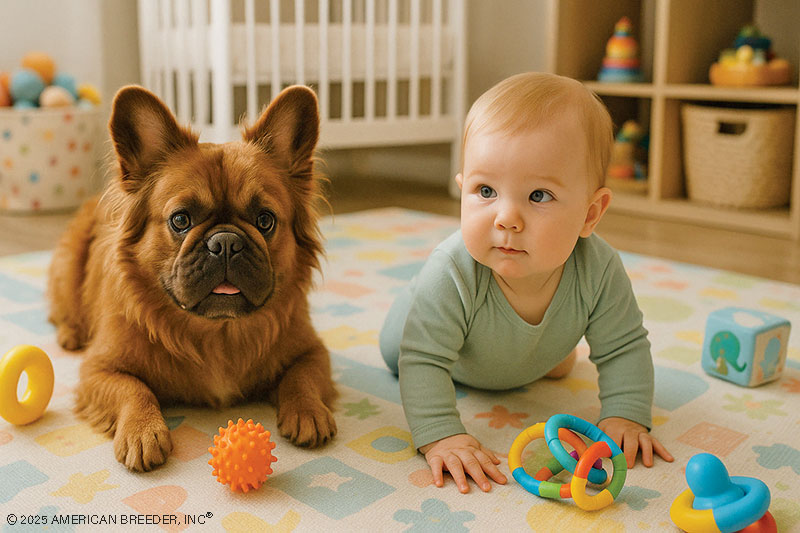
- Treats and Table Scraps: Frenchies love to eat, and it’s easy to over-indulge them with treats (who can resist those pleading eyes?). But moderation is crucial. Use small training treats or pieces of kibble for rewards to avoid overloading on calories. Treats should ideally make up no more than 10% of their daily intake to keep the diet balanced. Healthier treat options include bits of carrot, apple (no seeds), blueberries, or commercial dog treats formulated for skin/coat or digestion (some have pumpkin or probiotics in them). Many Frenchies enjoy crunchy veggies, which are low-cal and safe. Be cautious with common people foods: avoid anything toxic like chocolate, grapes, onions, etc. Also avoid giving too much of fatty meats or cheese, which can upset their stomach or cause pancreatitis. Some human foods that Frenchies can have occasionally include cooked lean meats, a little plain yogurt (if they tolerate dairy), or cooked eggs – these can be high-value training treats. Always introduce new foods in tiny amounts to see if there’s any reaction. And remember, Frenchies can be resourceful food thieves – they have been known to climb chairs to reach a dining table or counter-surf a low coffee table. Keep tempting foods out of reach; these cuties have a mischievous side when it comes to snagging snacks!
- Hydration: Make sure fresh water is always available. Due to their tendency to pant, Frenchies can get dehydrated quickly on a hot day. Most will drink as needed, but keep an eye that they’re drinking enough, especially if eating primarily dry food. If you feed kibble only, you might consider adding a splash of water to the food or giving some wet food, just to increase moisture intake (this can also help prevent any urinary issues). In summer, some folks make doggy popsicles by freezing diluted low-sodium broth or just plain water with a treat inside to encourage hydration. Frenchies also tend to play in water bowls or tip them – use a stable, non-tip bowl if yours does this to avoid spillage and ensure water is there when they want it.
- Best Food Brands or Types: While brand preference can be subjective, here are a few well-regarded options that Frenchie owners and vets often recommend (remember to choose a formula appropriate for the dog’s life stage: puppy, adult, or senior)

- Royal Canin French Bulldog (puppy or adult) – Formulated specifically for Frenchies’ needs, including coat health and kibble shape to reduce gulping.
- Wellness Core Small Breed or Wellness Complete Health – High-quality natural ingredients with good protein levels.
- Orijen or Acana – High-protein, grain-free kibble using regional ingredients; very nutrient-dense (feed less quantity). Orijen Original got top marks as a grain-free option for French Bulldogs.
- Hill’s Science Diet Sensitive Stomach & Skin (Small Breed) – Many Frenchies do well on this if they have tummy or skin issues; it’s designed to be gentle and has Omega fatty acids for the coat.
- Purina Pro Plan Small Breed or Sensitive Skin/Stomach formula – A vet-trusted brand with options for sensitive dogs (like a salmon formula).
- Natural Balance L.I.D. (Limited Ingredient Diet) – Good for allergy-prone Frenchies; they have a Salmon & Sweet Potato or Duck & Potato that are often recommended.
- Fresh or Human-Grade foods (like The Farmer’s Dog, Ollie, etc.) – Some owners go this route for a whole-food diet delivered fresh. They can be great for picky eaters and often improve coat and energy, though they are pricier.
- Royal Canin French Bulldog (puppy or adult) – Formulated specifically for Frenchies’ needs, including coat health and kibble shape to reduce gulping.
When switching foods, do it gradually over at least a week to avoid upset. Mix increasing amounts of the new food with the old. Observe your dog’s stool, coat condition, and energy on the new diet to judge if it’s a good fit.
- Supplements: With a balanced commercial diet, additional supplements aren’t usually necessary. However, some Fluffy Frenchie owners like to add Omega-3 fatty acids (fish oil) to support skin and coat health, keeping that fur shiny and reducing inflammation from allergies. This can be beneficial, but introduce slowly (too much oil can cause loose stools). Glucosamine & chondroitin supplements are something to consider as your Frenchie ages or if they have joint issues, to support cartilage. There are also supplements specifically marketed for French Bulldogs that include a blend of coat, joint, and digestive support ingredients. Always check with your vet before starting supplements, as dosing matters for small dogs.
To sum up, feed your Fluffy Frenchie a high-quality, balanced diet and keep them lean. Monitor for any food allergies or intolerances and adjust accordingly. A well-fed Fluffy will have bright eyes, plenty of pep, a shiny coat, and yes, hopefully less gas. Mealtime is often a Frenchie’s favorite time (aside from cuddle time), and with the right diet, you’ll be setting the foundation for a long, healthy life. Bon appétit, little Frenchie!
Recommended Living Environment and Climate Suitability
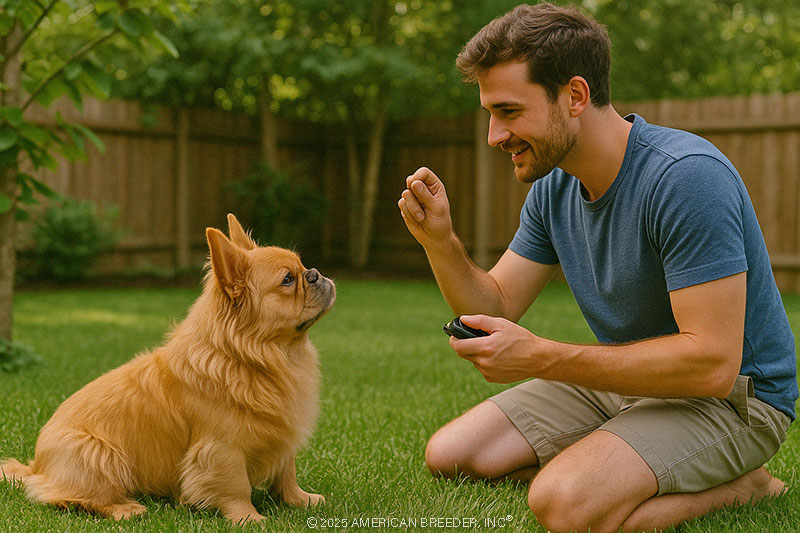 Fluffy Frenchies might look like little cuddly teddy bears, but when it comes to environment and climate, they have specific needs much like any French Bulldog. Their ideal living situation is one that keeps them safe, comfortable, and included as a true member of the family. Let’s break down what kind of home and climate is best for a Fluffy Frenchie -
- Indoor Living: First and foremost, French Bulldogs (fluffy or not) are indoor dogs. They do not thrive being left outdoors for long periods, and certainly not living outdoors. Their people-oriented nature means they want to be wherever you are – usually on the couch or underfoot in the kitchen! They also cannot regulate temperature well (as discussed in Health), so they need the climate-controlled comfort of a home. A Fluffy Frenchie should have a cozy spot to sleep (be it a dog bed or your bed – many end up in the human bed because they’re such snugglebugs). They appreciate soft blankets to nest in. While they love playing outside, when playtime is done, they’ll be eagerly waiting at the door to come back in with you. Apartment or house? Either is fine! One great thing about Frenchies is their adaptability to small spaces. They’re quiet and don’t need a huge yard, making them suitable for apartment living. A Fluffy Frenchie will be content in a city condo as long as they get their daily walks and plenty of love. They also do well in houses, of course, but you don’t need a big backyard for this breed. In fact, many Frenchies prefer being inside near the AC when it’s too hot or under a blanket when it’s cold rather than romping in a yard alone.
- Climate – Not Too Hot, Not Too Cold: The ideal climate for a Fluffy Frenchie is mild. Think spring and fall weather – cool mornings, moderate afternoons. Hot weather is the enemy of French Bulldogs. Because of their short snouts and airway issues, they can easily overheat. Add a fluffy coat on top, and you have to be extra careful in heat. If you live in a hot region (like the southern U.S. in summer), plan to keep your Frenchie mostly in air-conditioned spaces during heat waves. Limit outdoor time to early morning or late evening when it’s cooler. Watch out for high humidity as well – humidity can make it even harder for them to cool down by panting. Many Frenchie owners in hot climates carry a portable water bowl on walks, use cooling vests, and make liberal use of A/C and fans. Some even set up cooling mats that the dog can lie on after a brief outing to immediately chill them down. The fluffy coat may provide slight sun protection, but it also means they might get hot a tad faster than a short-hair Frenchie. Always provide water and shade if outside. Heatstroke can occur in minutes if a Frenchie is left in a hot environment (like a car or unshaded yard) – so never do that. On the flip side, cold weather is also not great for Frenchies. They don’t have a thick undercoat; their fur (even long) doesn’t insulate like a husky’s. In winter, if you live in a chilly area (say, below 40°F regularly), invest in a good dog sweater or coat for your Fluffy Frenchie. They might tolerate cold slightly better than a smooth Frenchie because of a bit more fluff, but they can still get shivers. Limit time outside in frigid temps, especially if there’s snow – those little paws can get cold quickly. Some owners use booties for snow or apply paw balm to protect from ice and salt. Rainy weather: Frenchies are known to sometimes dislike rain (they can be divas about getting wet). A quick pee in the rain is okay, but a Fluffy will take longer to dry off. Towel them down so they don’t stay damp (which could chill them or lead to hot spots). Overall, a moderate climate or a home where temperature is well-managed is best.
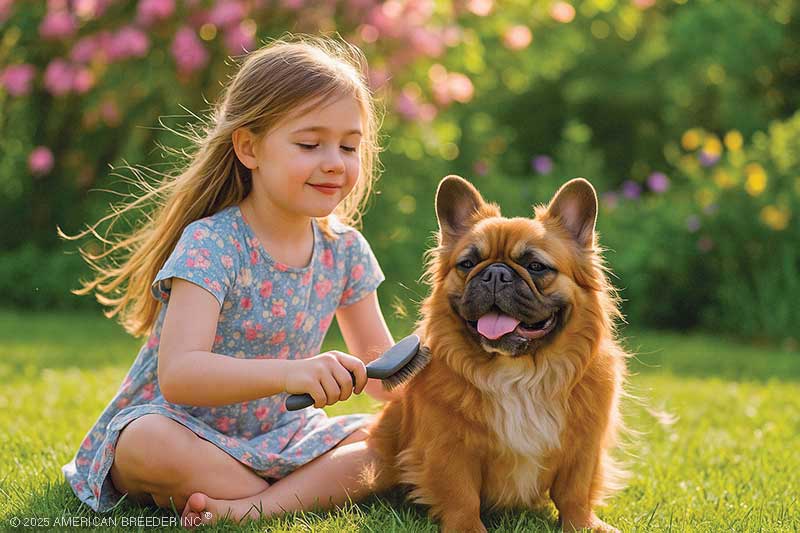
- Exercise Space: Fluffy Frenchies do not require a large yard, but they do enjoy having a safe space to romp a bit. If you have a fenced yard, supervise them during play because Frenchies are not great swimmers – and they can drown even in pools or ponds due to their heavy front end. So if you have a pool, never let your Frenchie near it unsupervised, and consider a pool fence or teach them to stay away (some owners even outfit their Frenchies with life vests during pool time). For apartment dwellers, a nearby park or dog run is fine for short play sessions. Indoors, Frenchies will play with toys and do zoomies in your living room – they don’t need tons of room to get their sillies out. Just be mindful of stairs. If you have lots of stairs in your home, try to limit repetitive up-and-down running, as it can be hard on their joints and spine. Many Frenchies can do stairs in moderation, but carrying them up or down if possible (especially puppies) is a kindness to their back. If you live in a walk-up apartment building, a ramp or carrying the dog might be needed if they struggle or if it’s very hot (climbing stairs can overheat them).
- Indoor Environment: Because Frenchies are social, they often like to have a designated area in common spaces. For example, a dog bed in the living room where they can chew a toy while you watch TV. They may also follow you absolutely everywhere – including the bathroom! If you need to contain them at times (like when you’re out), consider crate training. A crate, when introduced positively, can become a safe den for your Frenchie. Many French Bulldogs take well to crates, especially if you put a comfy bed inside and give them a treat to relax. It can help with potty training and gives them a secure place if you’re not home. Just avoid crating for too many hours, as they will want to be out and about. Pet-proofing your home is smart too: Frenchies are curious and might get into trouble. Keep trash cans secure (a lot of Frenchies raid the trash for leftovers), and tuck away electrical cords or small objects they could chew or swallow. They aren’t typically destructive chewers, but each dog is different.

- Alone Time: How do Fluffy Frenchies do when left alone? Generally, they prefer not to be alone for long stretches. They can develop separation anxiety, as mentioned. Ideally, someone is home with them or they have another pet friend. If you work outside the home full-time, consider doggy daycare a few days a week or having a dog walker come midday to give your Frenchie a break and some company. Some Frenchies do okay being alone for 4-6 hours with a good chew toy and a comfy spot, but much longer regularly can lead to stress or unwanted behaviors (like excessive barking or chewing out of anxiety). Interactive toys (like treat-dispensing puzzles) can help keep them occupied when alone. Always ensure they have a safe, climate-controlled environment to stay in when you’re out – not a yard.
- Family Environment: Fluffy Frenchies integrate best when they are treated as a family member. They want to be involved in activities – whether that’s riding in the car for school drop-off, “helping” with yard work (probably by supervising from a shady spot), or just cuddling during movie night. They are quite in tune with their owners and often like routine. For instance, many will trot to the bedroom when they know it’s bedtime, or wait by the door when it’s close to the usual walk time. They’re creatures of habit. A stable home environment with a routine for feeding, walks, and playtime will make your Frenchie very content. They are also a breed that generally handles new environments okay if they are with their owners. You can travel with them (keeping in mind that flying is dangerous for brachycephalic dogs unless in-cabin) or take them to pet-friendly hotels, etc. They usually just stick to your side and adapt as long as you’re there. Social outings like patio dining or visiting friends can be great for a Frenchie – they love being included. Just avoid very loud, chaotic environments (like a super loud concert or fireworks show) as they can get stressed by extreme noise and commotion.
- Climate Adaptations: If you live in an extreme climate region (very hot like Arizona or very cold like Minnesota), you’ll need to adapt accordingly -
- In hot areas: Focus on indoor enrichment during peak heat. Use indoor play, training, and short potty breaks rather than long outdoor sessions. Many Frenchies in hot states go on very early morning walks. Make use of cooling products. Ensure your home’s cooling system is reliable – power outages in summer can be life-threatening, so have contingency plans.
- In cold areas: Get a good wardrobe of dog sweaters/jackets. Some Frenchies even wear booties in snow to protect their paws from frostbite and salt. Provide indoor potty solutions (like puppy pads or artificial grass patches) in case temperatures are too low for them to want to go out. And give them warm blankets to snuggle at home.
- Humid areas (like Florida): Same as hot – the humidity makes it harder for them to cool, so limit time outside and watch for breathing difficulties.
- High altitude areas: Be cautious – thinner air can exacerbate breathing issues for brachycephalic breeds. If you’re in the mountains, give them time to adjust and don’t overexert them.
- In hot areas: Focus on indoor enrichment during peak heat. Use indoor play, training, and short potty breaks rather than long outdoor sessions. Many Frenchies in hot states go on very early morning walks. Make use of cooling products. Ensure your home’s cooling system is reliable – power outages in summer can be life-threatening, so have contingency plans.
In essence, the **best environment for a Fluffy Frenchie is an indoorsy, temperate one with lots of human companionship. They are incredibly adaptable to different home sizes and city vs. country, as long as their basic needs are met. They aren’t built to handle extreme outdoor conditions, so plan to make your home their oasis. And trust us, they’ll repay you by making any house or apartment into a true home with their affectionate presence.
Exercise and Mental Stimulation Needs
Fluffy Frenchies might not be marathon runners (leave that to the Huskies and Border Collies), but they do need a healthy dose of exercise and mental stimulation to stay happy. An overweight or bored Frenchie can become mischievous or moody. The key is to provide moderate physical activity and plenty of playtime, without overdoing it. Here’s how to keep your Fluffy Frenchie fit in body and mind -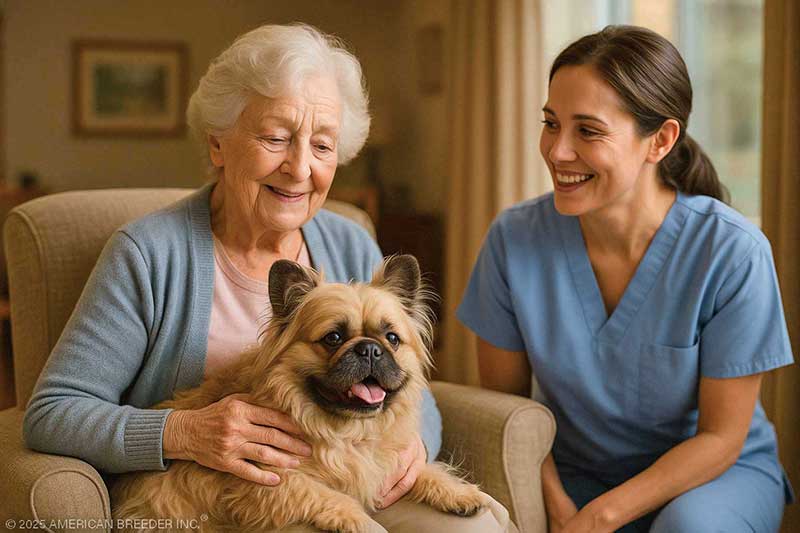
- Daily Walks: Aim for at least 1-2 short walks per day. Each walk might be around 10 to 20 minutes, depending on your dog’s stamina and the weather. Frenchies are not distance walkers – a couple of blocks around the neighborhood is often sufficient. Some very fit Frenchies might manage a 30-minute walk in cool weather, but generally, it’s quality over quantity. Walks provide not only exercise but also mental stimulation through sniffing and exploring the environment. Let your Frenchie sniff around; dogs gain a lot of enrichment from using their nose. Just be careful on hot days – cut the walk short if you see heavy panting or slowing down, and carry them home if needed. In cooler times, you can walk a bit longer. Watch their breathing and energy – they’ll tell you when they’re done by plopping down or dragging behind you. Most Fluffy Frenchies will happily trot along for a bit then be ready for a nap. Note: Always use a harness rather than a collar when walking your Frenchie. Harnesses avoid pressure on the neck and airway, making it safer and more comfortable for brachycephalic dogs. A front-clip no-pull harness can be great if they tend to tug, to reduce strain on their throat.
- Playtime: In addition to walks, have daily play sessions. Frenchies often get short bursts of “zoomies” – sudden playful running around – especially as puppies. Encourage play with toys: a game of fetch down a hallway, a gentle tug-of-war with a rope toy, or chasing a plush toy you drag around can all get them moving. Many Frenchies love to play fetch, even if they don’t always bring the ball straight back. Make sure the toys are size-appropriate (not too small to swallow) and durable, as Frenchies have strong jaws. Chew toys (like Nylabones or Benebones) provide both mental and jaw exercise and help keep them occupied. Even though Frenchies can be a bit lazy at times, most really enjoy interactive play with their owners. It stimulates their mind as well as body. Aim for at least two 10-15 minute play sessions a day, maybe one in the morning and one in the evening. You’ll likely find your Frenchie has a funny internal clock – many have a case of the evening sillies, where they get playful at night. Roll with it and have fun! It not only exercises them but strengthens your bond.

- Mental Stimulation: French Bulldogs are intelligent in a mischievous way. They can get bored if they have nothing to do, and a bored Frenchie might resort to chewing things they shouldn’t or demanding attention in less polite ways. Puzzle toys and brain games are fantastic for them. For example, treat-dispensing toys like the Kong Wobbler or Bobs-a-Lot can make them work for their kibble. You can also hide treats in a snuffle mat (a fabric mat with strips where you hide treats and they sniff them out) – Frenchies typically love using their nose to find goodies. Another idea: play hide and seek with your dog! Tell them to “stay”, then hide somewhere in the house and call them – many Frenchies will happily seek you out (and you can reward with a treat when they find you). Training sessions also serve as mental exercise: practice obedience commands or teach a new trick. Frenchies can learn sit, stay, come, down, shake, high-five, spin, etc. Keep sessions short and fun, as they may lose interest if it’s too repetitive. Use tasty treats as motivation and lots of praise. Even 5-10 minutes of training is like schoolwork for them and will tire their brain in a good way.
- Exercise Caution: It’s crucial to remember that Fluffy Frenchies cannot handle strenuous exercise or extreme sports. Activities like long-distance jogging, intense hiking in hot weather, or strenuous agility courses are not suitable. They are physically not built for it, and pushing them too hard can cause collapse or injury. Jumping from heights or doing a lot of leaping (like in high agility jumps) could hurt their joints or back. So, while agility and obstacle games can be fun at a low, easy level (some Frenchies enjoy running through tunnels or low jumps in a playful way), always keep it low-impact. Swimming is another no-go unless extremely controlled: as mentioned, Frenchies generally can’t swim (big head, heavy front, and short legs = sinking dog). If you want them to enjoy water play, get a kiddie pool with just a few inches of water to splash in, or fit them with a canine life jacket and supervise closely. But never assume a Frenchie can swim by default. Many have drowned when owners assumed ... (continuing) ...
Even though they have bursts of energy, Fluffy Frenchies are not high-endurance dogs. Usually, 30 to 60 minutes of combined activity a day (walks + play) is plenty to keep them in shap. The rest of the time, they’re more than happy to lounge around and snooze. In fact, Frenchie puppies are quite energetic, but they tend to calm down as they mature into adult. By age 2 or 3, most will have a good routine of moderate play followed by hardcore napping. So, enjoy the silly puppy zoomies while they last, and look forward to a more settled, couch-potato companion later on.
Swimming Warning: One exercise not to attempt with Frenchies is swimming. It’s a common misconception that all dogs can swim – French Bulldogs are a big exception. Their body structure makes it very difficult for them to stay afloat (head is heavy, legs are short). Many Frenchies sink like a rock if they fall into deep water. If you have a pool or visit bodies of water, always supervise and use a dog life vest on your Frenchie. Some Frenchies enjoy paddling in shallow kiddie pools or on the beach shoreline (with a life jacket), but never force them if they seem uncomfortable. Never leave a Frenchie unattended around water, as they could drown in minutes. It’s safest to assume your Fluffy Frenchie cannot swim and take all precautions.
Summary of Exercise Needs: Fluffy Frenchies need moderate daily exercise – think short walks and fun play sessions – plus mental challenges to stay sharp. They are by no means lazy lumps; they love to play and clown around. But they also aren’t built for intense or sustained exercise, so short and sweet is the way to go. A well-exercised (but not over-exerted) Frenchie is a content Frenchie. Keep an eye on the weather, listen to your pup’s limits, and you’ll find the right balance. When they’ve had enough, they’ll gladly sprawl out for a nap, often with hilarious snores as the soundtrack to their sleep. And a snoring, sleeping Fluffy Frenchie after a day of play is truly the picture of contentment.
Must-Have Products and Accessories for Fluffy Frenchies
Equipping your home with the right products and accessories can make caring for your Fluffy Frenchie even easier. Here are some recommended items – from food to grooming to play – that many Frenchie owners (and their dogs) love -
- Quality Dog Food: As discussed in the diet section, investing in a high-quality dog food is crucial. Look for brands with real meat as the first ingredient and formulas geared toward small breeds or sensitive skin. Many Fluffy Frenchie parents have had success with premium foods like Orijen Original, which is rich in animal protein and completely free of preservative. In fact, owners report that on such diets their dogs have “a perfect coat, loads of energy, and maintain a perfect body condition. Other popular options include Royal Canin French Bulldog formula, Wellness Core Small Breed, or grain-free limited-ingredient diets (if allergies are a concern. Every dog is different, so you might try a couple to see which food yields the best coat condition, energy level, and digestion for your Fluffy.
- Ergonomic Harness (No Collar): A sturdy, comfortable harness is a must for walking a Frenchie. Because of their brachycephalic airways, a traditional neck collar can strain their throat and make breathing hard. A well-fitted chest harness distributes pressure on their body instead of the neck. Look for one with a mesh or padded design for breathability (especially important for Fluffies in warm weather. Many Frenchie owners favor brands like Puppia (soft vest-style harness) or Ruffwear (for a more rugged option). Also, consider a no-pull front clip harness if your Frenchie tends to tug, as it can gently discourage pulling without choking the. Harnesses not only protect their airway but also make it easier to control their wiggles during walks. Always have a harness for outings – it’s Frenchie safety gear 101.
- Slow Feeder Bowl: To combat the breed’s tendency to gobble food quickly, a slow-feed bowl can be a lifesaver (and a gas-saver!). These bowls have ridges or puzzles inside that force the dog to eat more slowly. Slower eating means less air swallowed, which can significantly reduce gassiness and the risk of bloat. As one Frenchie-focused source notes, “slow-feeder dog bowls are a great way to help your Frenchie eat slower so they can digest their food better (and hopefully suck in less air, so there's less gassiness, too!). There are many designs – maze patterns, peg designs, etc. – find one sized for a small/medium dog. It will turn mealtime from a 30-second inhale into a 5-minute challenge, which is much healthier. Alternatively or additionally, a tilted bowl designed for flat-faced breeds can help them eat and drink more comfortable. Some Frenchie parents even elevate the food bowl slightly (just a couple of inches) to aid swallowing, but check with your vet on this if your dog has any airway issues.
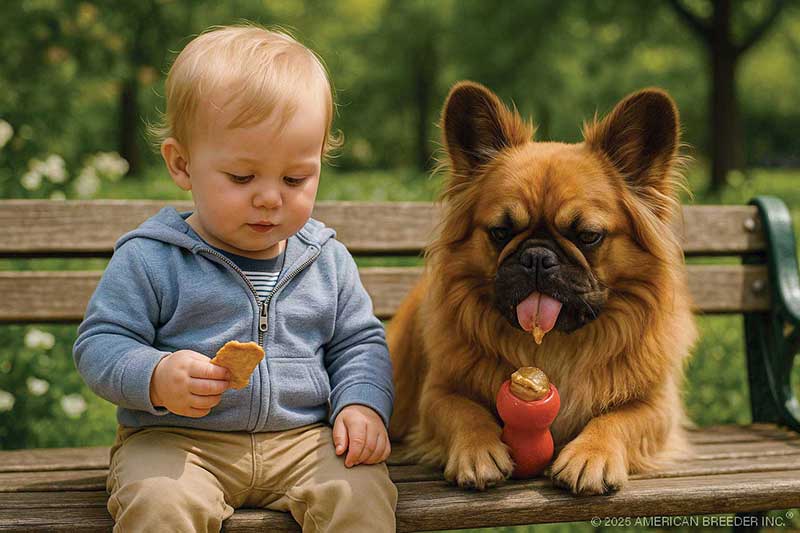
- Chew Toys and Dental Chews: French Bulldogs love to chew, and providing appropriate chew toys will keep them busy and help maintain dental health. Opt for durable rubber or nylon chew toys that can withstand their strong jaws. Classics like the KONG (medium size) are great – you can even stuff the KONG with a bit of peanut butter or a treat to make it extra enticing. Nylabone-type bones (made for moderate chewers) can also satisfy the urge. Always supervise to ensure they don’t bite off large pieces. For something gentler, rope toys can be fun for tug and also help floss their teeth (just discard when the rope frays too much). Additionally, dental chews (like Greenies or vet-recommended dental sticks) given a few times a week can help reduce tartar. Not to mention, chewing is a great boredom buster for Frenchies. A content Frenchie gnawing on his chew toy is one that’s not chewing your shoes or furniture.

- Interactive Puzzle Toys: To keep that Frenchie brain engaged, invest in a couple of puzzle toys. These can be as simple as a ball that dispenses kibble as it's rolled, or more complex, like flip-board puzzles where the dog must nudge blocks to uncover treats. Frenchies typically are very motivated by food, so they will eagerly work at puzzles that reward them with a kibble or two. A popular choice is the KONG Wobbler, which they can push to get treats out, providing both mental and physical activity. Snuffle mats (a fabric mat where you hide treats) are another fantastic tool to tap into their natural foraging instinct – it’s like a mini treasure hunt that can keep them occupied. By providing interactive toys, you’ll help prevent your Fluffy from getting bored, especially during times you need to work or can’t directly play. Mental exercise can tire them out nearly as much as a walk, resulting in a calmer, happier pup.
- Cooling Mat or Vest: If you live in a warm climate or it’s summertime, a cooling mat or cooling vest is highly recommended. Cooling mats are gel or water-filled pads that stay cool and give your dog a nice chill spot to lie down on. Frenchies often seek cool surfaces (you might find yours sprawled on tile or near an AC vent). A cooling mat gives them a designated cool zone. Similarly, a cooling vest can be worn during walks – you wet the vest and put it on the dog; as the water evaporates, it cools them down. This can be a literal lifesaver during hot months to prevent overheating. Always choose a vest that fits well and doesn’t impair movement. Combine these with a portable water bottle for dogs when on outings. While Fluffy Frenchies are indescribably cute, being overheated is not cute – these products help keep them safe and comfy in the heat.
- Grooming Supplies: To care for that beautiful fluffy coat, you’ll want a few grooming tools on hand -
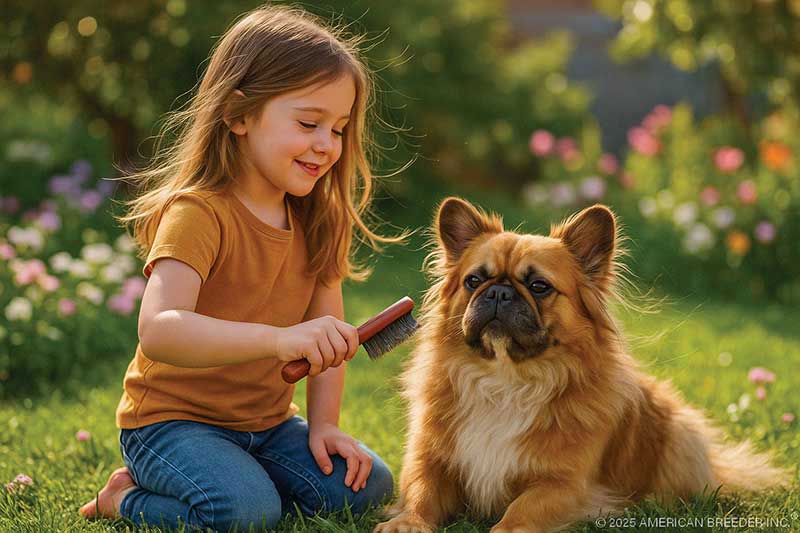
- A slicker brush or pin brush for regular brushing. This will detangle fur and collect loose hair. Choose one that’s not too harsh; Frenchie fur is not extremely long, so a medium firmness slicker is good.
- A steel comb (with both wide and narrow teeth) to work through any knots gently, especially behind the ears or in the “mane” area.
- Dog-friendly shampoo and conditioner. Look for gentle, hypoallergenic shampoos – oatmeal-based or aloe-based are great for sensitive Frenchie skin. A conditioner can help keep their longer fur soft and tangle-free. Since you won’t bathe them super often, one bottle will last a while.
- Ear cleaner solution and cotton balls. Those big ears need cleaning now and then to prevent wax build-up or infections. A vet-approved ear rinse used weekly can keep ears healthy.
- Wrinkle wipes or pet wipes. For cleaning facial folds and the occasional dirty paw, pre-moistened pet wipes (fragrance-free) are very handy.
- Nail clippers or grinder. Keep their nails short with a clip every few weeks. If you’re nervous about clipping nails, a nail grinder (Dremel tool) can file them down gradually. Many Frenchies need a steady desensitization to nail trimming – lots of treats and patience.
- A pet-safe toothbrush and toothpaste. Starting a routine of brushing their teeth will pay off in fewer dental issues. Get a toothpaste flavored like poultry or peanut butter to make it more appealing (never use human toothpaste).
- A slicker brush or pin brush for regular brushing. This will detangle fur and collect loose hair. Choose one that’s not too harsh; Frenchie fur is not extremely long, so a medium firmness slicker is good.
- By having these grooming tools, you can maintain your Fluffy’s coat and hygiene easily at home. It becomes a bonding activity and saves on professional grooming costs (though an occasional pro groom is fine too).

- Comfort Items: Last but not least, think about your Frenchie’s comfort and entertainment
- A soft, supportive bed or two placed around the house. Frenchies love to be cozy. Donut-style beds or padded mats are great. Make sure it’s not too high off the ground (easy in/out).
- Blankets! Fluffy Frenchies adore burrowing in blankets. Having a lightweight throw or a special “Frenchie blanket” for them will make them very happy. They will knead it, suckle it (some do this as a self-soothing behavior), and nest in it to sleep.
- Crate (optional): A crate can serve as a safe den, as mentioned. Many owners get a medium-sized crate, line it with a soft mat, and cover part of it with a blanket to make a “cave.” Leave the door open when you’re home so the Frenchie can go in at will. If crate-trained, it also helps for travel or when guests visit and you need the dog secure.
- Cooling fan: A small pet-safe fan near their resting area in summer can help keep them cool (just ensure they can’t chew the cord).
- Dog car seat or seat-belt harness: If you plan on car rides (and Frenchies usually love to accompany you), invest in either a secure dog car seat or a seat-belt adapter that hooks to their harness. This keeps them safe in transit (and prevents them from trying to climb into your lap while driving!).
- A soft, supportive bed or two placed around the house. Frenchies love to be cozy. Donut-style beds or padded mats are great. Make sure it’s not too high off the ground (easy in/out).
These products will set you and your Fluffy Frenchie up for success. Of course, every dog has individual preferences – one Frenchie might go crazy for a particular squeaky toy while another couldn’t care less. Be ready to learn what your pup likes. Perhaps start with one or two items from each category (one puzzle toy, one chew, one brush, etc.) and see how it goes. Over time, you’ll amass a collection of Frenchie gear, and your pup will know that these are their special belongings. There’s nothing like seeing a Frenchie drag their favorite blanket to their bed, or pounce excitedly when you pick up their harness (because harness = walkies!). Having the right accessories not only makes life easier, but it also enhances the joy of owning a Fluffy Frenchie – keeping them healthy, safe, and utterly spoiled as they deserve.
Training and Socialization Tips
Training a Fluffy Frenchie is an important part of helping them grow into a well-mannered, confident companion. French Bulldogs can have an independent streak, but they are also people-pleasers and love positive attention. The key to training success is patience, consistency, and lots of positive reinforcement. Here are some tips and best practices for training and socializing your Fluffy Frenchie -
- Start Early (Puppy Socialization): Begin training and socialization from the moment you bring your puppy home. The first 3-4 months of a dog’s life are a critical window for learning about the world. Expose your Fluffy Frenchie puppy to a variety of people, other friendly dogs, different environments, sounds, and experiences in a gentle, positive way. Puppy play classes or socialization groups can be great for this – your pup will learn how to play nicely with others and gain confidence. Well-socialized Frenchies tend to be extremely friendly and unflappable. For instance, if they regularly meet new people (including children, people with hats, umbrellas, etc.), they’re less likely to be fearful or snappy as adults. Aim to introduce your pup to many “firsts” during the early weeks: car rides, vacuum cleaner noise, doorbells, different floor surfaces, and so on. Make each encounter positive with praise or tiny treats so the puppy associates new things with good outcomes.
- Basic Obedience Training: Frenchies are smart, but their stubborn side means you should make training feel like a fun game rather than a chore. Use upbeat tones and keep sessions short (5-10 minutes) to match their short attention span. Focus on essential commands like sit, down, stay, come, and leave it. These commands will help keep them safe (for example, “leave it” is useful if they grab something dangerous) and make your life together easier. Frenchies usually learn “sit” very quickly – many will sit on their own if they know a treat is coming! Use a reward-based approach: when they perform the desired action, immediately reward with a small treat and enthusiastic praise. If they get distracted or don’t obey, don’t punish – just reset and try again. Consistency is crucial: use the same cue words and hand signals each time. Keep the mood happy; Frenchies respond well to positive reinforcement and can shut down if treated harshly. As one trainer puts it, *“Never use physical punishment or negative reinforcement; Frenchies can develop a stubborn temperament when exposed to this kind of treatment.”. In other words, yelling or scolding will likely backfire – your Frenchie might become more obstinate or even upset (remember, they’re sensitive). Instead, redirect unwanted behaviors and lavishly reward good behaviors. Training should feel like teamwork, not a battle of wills.
- Potty Training: Housebreaking a Frenchie can require patience – some Frenchie pups catch on quickly, while others take a bit longer. Establish a consistent routine from day one. Take your puppy out first thing in the morning, after every meal, after naps, and before bedtime (plus anytime you see signs like sniffing or circling). Praise and reward immediately when they eliminate outside so they understand that’s the right place. Crate training can be extremely helpful for potty training, as dogs naturally avoid soiling their sleeping area. When you can’t supervise your puppy, keeping them in a properly-sized crate (or a penned area) can prevent accidents in the house and build bladder control. If an accident happens, clean it without fuss and don’t punish – the puppy won’t understand after the fact. Just reinforce the desired behavior by rewarding outdoor potty successes. Many Frenchies do best with a schedule – feed at the same times, walk at the same times – this helps their bodies get into a rhythm. Note that Frenchies have small bladders; young ones might need a midnight potty break. As they grow, they’ll gain the ability to hold it through the night. Celebrate the wins (when they signal at the door or go on command outside) because Frenchies absolutely thrive on making you happy.
- Crate Training: A crate is not only useful for potty training, but also provides a safe haven for your Frenchie. Introduce the crate in a positive manner: make it comfy with a bed and blanket, and feed your pup’s meals or treats in the crate so they associate it with good things. Never use the crate as a punishment zone. Encourage your puppy to nap in the crate with the door open at first. Once they’re comfortable, you can close the door for short periods while you’re home, gradually increasing the duration. The goal is for your Frenchie to view the crate as their “den” – a place they voluntarily go to relax. This helps with preventing separation anxiety, since a crate-trained dog often feels more secure when left alone (they have their familiar space). It also ensures they won’t get into mischief or hurt themselves when you’re out. Many Frenchies come to love their crates, often retreating there for a good snooze on their own. For a Fluffy, just be mindful of temperature – ensure the crate isn’t in an overly warm spot, as airflow is a bit restricted inside; you can crate them in the coolest room of the house if needed.
- Leash Training: Teach your Fluffy Frenchie puppy to walk nicely on leash from early on. They are small but surprisingly strong – a determined puller can tug your arm. Using a harness (as noted, rather than a collar) and a standard leash (avoid retractable leashes for training), practice walking by your side. If the pup forges ahead and pulls, simply stop walking or change direction, encouraging them back to you. Reward when they are walking near you on a loose leash. They’ll learn that pulling doesn’t get them where they want to go, but walking calmly does. Keep initial walks short and in low-distraction areas until they get the hang of it. Frenchies are curious, so be patient as they sniff and explore. Leash training is also an opportunity to reinforce “come” – occasionally crouch down and excitedly say their name and “come!” and reward them for coming back to you, then resume the walk. This makes you a focal point even outdoors.
- Addressing Stubbornness: At some point, you’ll likely encounter the famous Frenchie stubborn streak – perhaps your Fluffy decides they simply won’t do that “down” command, or they plant their feet and refuse to walk because they liked the park and don’t want to leave. When this happens, don’t get frustrated or angry. Try to make the task more enticing or break it into smaller steps. If your dog won’t lie down on command, you might need to lure with a treat more effectively, or practice when they’re a bit tired (so more inclined to lie down). If they refuse to walk, try a different motivator – squeak a toy, use a happier tone, or take a short break and then start again. Often Frenchies just have moments of “I’d rather not,” but can be coaxed with patience. Keep training sessions upbeat – end on a success, even if it’s a small one, and end before your dog gets bored or frustrated. Over time, gentle persistence pays off. Frenchies do mature and often become more compliant as they solidify the human-dog bond and understand what you’re asking. Many owners find their Frenchie is the most stubborn during the “teenager” phase (~6-12 months), then settles. Stay consistent and don’t give up – they’ll get it.
- Make Training Fun: Incorporate play into training. Frenchies love to play, so use that to your advantage. For example, teach “fetch” which inherently works on “come” when they bring the ball back. Or play hide and seek, which reinforces their recall and search abilities. Use a happy voice, give belly rubs, make training a game. Frenchies are also quite food-motivated, so you can use part of their meal kibble as training treats (just reduce their meal accordingly to avoid overfeeding). Clicker training (using a small device that makes a click sound to mark desired behavior) can work well with Frenchies too, as it gives clear communication – you click the instant they do the right thing, then reward. This can speed up learning once they make the connection.
- Socialize, Socialize, Socialize: We can’t stress enough the importance of ongoing socialization beyond puppyhood. Continue to provide your Fluffy Frenchie with opportunities to interact with other dogs in a controlled, friendly setting. Frenchies generally love other dogs, but they also play rough (bullies will be bullies!). Socializing with polite, well-matched playmates will teach your dog good canine manners. Monitor play to ensure it stays fun and not too intense. Frenchies sometimes don’t realize how boisterous they are – if a play session gets too rowdy or hot, give them a little time-out to calm down. Also expose them to different people and places regularly: take them to dog-friendly stores, on car rides, or to family gatherings if appropriate. A Frenchie that regularly experiences new things tends to remain adaptable and less prone to anxiety. If you adopt an adult Fluffy Frenchie who missed out on early socialization, don’t worry – you can still work on it gradually. Introduce new experiences at their pace, use treats and praise to build positive associations. Frenchies are resilient and can learn to enjoy things even if they were initially nervous.
- Handle with Love: Remember the earlier point that Frenchies are sensitive. They truly want to be your buddy, and they can get their feelings hurt with rough handling or harsh correction. If your Frenchie looks “sad” or sulky after you raised your voice, you may need to dial back and use a softer approach. They respond much better to encouragement – just like people! So focus on catching them doing something right and reward that, rather than focusing on the wrongs. For example, instead of yelling when they jump on someone, praise and reward when they keep four paws on the floor. They will gravitate toward what gets them the good stuff (treats, praise, petting). Training a Fluffy Frenchie is often less about commanding and more about motivating and guiding.
By following these tips, you’ll find that your Fluffy Frenchie can learn all the basics and even some fun tricks – all while enjoying the process. They might test your patience occasionally (those stubborn moments can be head-scratchers), but they will also make you laugh with their cleverness and charm. A well-trained Frenchie is a joy: you can take them anywhere and trust their behavior, and you’ll deepen your bond through the training journey. Plus, Frenchies love to show off – imagine the pride when your fluffy little pal sits politely to greet a stranger or does a cute “high five” on command. With love and consistency, your Fluffy Frenchie will be both adorable and admirably well-behaved.
Fun Facts and Common Misconceptions about Fluffy Frenchies
Every breed has its legends and myths, and Fluffy Frenchies are no exception. Let’s dive into some interesting tidbits and clear up a few common misconceptions surrounding these furry French Bulldogs -
- They’ve Been Called “Little Lions”: One of the cutest nicknames for Fluffy Frenchies is “lion Frenchies,” thanks to the way their longer hair forms a mane-like ruff around their neck. When the fur is especially fluffy, it frames their face and can give the impression of a tiny lion or an ewok from Star Wars. It’s a fitting nickname because, personality-wise, they often have the courage (and sometimes the stubborn regality) of a little lion too! This mane also leads to comparisons like looking like koala bears or Gizmo from Gremlins, as seen with one famous Fluffy named Cash who sparked comments like “Where did you get the baby Ewok?” on social media. Rest assured, under that mini-lion exterior is the same clownish Frenchie heart.
- Fluffies Are Purebred Frenchies (Not Mixed with Other Breeds): Myth: “A long-haired Frenchie must be a crossbreed.” Truth: Fluffy Frenchies are 100% French Bulldog, just carrying a rare recessive gene. Historically, when fluffy pups appeared, some people assumed there must have been illicit mixing with breeds like Papillons, Pekingese, or long-haired Chihuahuas. In reality, as we covered, the long hair gene has likely always been in the Frenchie gene pool. Modern genetic testing confirms this gene (Lh) is part of Frenchie DNA, no outside breed required. So if someone says your Fluffy isn’t a “real” Frenchie, you can confidently point out that breed enthusiasts have debunked that – Fluffy Frenchies are purebred French Bulldogs with pedigree papers to prove it. They simply exhibit a less common coat type. Think of it like how some humans have curly hair and some have straight; both are still human – or in this case, both are all Frenchie!
- They’re Not Hypoallergenic: Myth: “Long-haired Frenchies don’t shed and are hypoallergenic.” Truth: Unfortunately, Fluffy Frenchies do shed and can trigger allergies similarly to standard Frenchies. While their longer fur might mean you find hair bunnies in the house that are a bit bigger, they shed at a comparable rate to normal Frenchies – mainly with seasonal change. And it’s the dander (dead skin cells) attached to pet hair that typically causes human allergies. Both coat types produce dander, so allergic individuals will likely react to a Fluffy just as they would to any Frenchie. In short, neither regular nor fluffy French Bulldogs are a good choice for those with dog allergie. There are some breeds touted as hypoallergenic (poodles, etc.), but Frenchies aren’t in that category. If someone assumes your extra-furry Frenchie might be shed-free, you’ll have to gently correct them – you’ll still be doing some vacuuming and lint-rolling in your life as a Fluffy owner (totally worth it, by the way).
- Same Frenchie Personality: Myth: “Fluffy Frenchies have different temperaments than regular Frenchies.” Truth: Fluffiness doesn’t change the core personality. A long-haired Frenchie is expected to have the same affectionate, playful, and social temperament as any other Frenchie. They aren’t more aggressive or more hyper or anything like that due to the hair gene. If anything, owners report they are just as loving and goofy – sometimes people perceive them as even cuddlier because they feel softer to the touch, which might make the owners more cuddly, feeding a cycle of snuggles and sweetness. So if someone thinks a Fluffy might act different, set them straight: these dogs are Frenchies through and through, with the lovable personality the breed is famous for.
- High Price and Rarity: It’s widely known that Fluffy Frenchies are expensive, often significantly more so than their short-haired kin. This isn’t a myth but a fact – however, one should understand why. It’s not just hype; it’s because producing a Fluffy (ethically) requires two carriers, which are uncommon, and often involves small litters and extra care. Thus demand outstrips supply. A fun (and jaw-dropping) fact we mentioned: the highest price paid for a Frenchie is rumored around $100k for one with multiple rare traits. While most Fluffies don’t cost that much, the price tag being in the five figures is not unheard of. This sometimes leads to the misconception that Fluffies are only for the ultra-rich or that breeders charge more “just because.” In reality, the breeding process is challenging. Still, from a pet perspective, a Fluffy Frenchie doesn’t know its price – it will give you the same love as any rescue mutt would. The myth to dispel here is that an expensive dog is “better” – truth is, every Frenchie is priceless in the love they give. Whether you paid $500 or $15,000, you’ve got a wonderful companion for life.
- “Can Frenchies Swim?” and Other Bulldog Myths: We touched on swimming – indeed a truth is most Frenchies can’t swim well. Another common myth in general is that “French Bulldogs are lazy and don’t need exercise.” While they are low-endurance, lazy isn’t accurate – they do need daily play and walks (or they can become overweight or bored). People might see a snoring Frenchie and assume they’re lumps, but any owner knows how frisky and playful they can be in spurts. Conversely, some think “Frenchies are hyperactive all the time.” Also not true; they have an energy burst then chill. Some think “Bulldogs are dumb.” Frenchies are actually quite clever – they just have selective hearing sometimes! They can learn lots of tricks and commands with a patient trainer. Another misconception: “All Frenchies have tons of health problems and will have a short life.” It’s true the breed has predispositions, but many Frenchies live 12-14 healthy years. Good breeding and good care make a big difference. So don’t let the Negative Nancys get you down – Fluffy or not, your Frenchie can absolutely live a long, happy life, and they’re certainly intelligent in their own special way (they can be like a crafty toddler at times, figuring out how to get that treat you hid).
- Not Just for “Experienced Owners”: Sometimes you’ll hear that Frenchies are only for people who have dog experience or that they’re “high maintenance.” It’s true that first-time dog owners must educate themselves on the breed’s needs (especially regarding climate and health). But it’s a myth that a newbie can’t successfully own a Frenchie. As one expert noted, *“if a new puppy owner is familiar with what it takes to raise a puppy, there is no reason to need prior experience in owning a French Bulldog.”. In other words, do your homework and be prepared, and you can absolutely thrive with a Fluffy Frenchie as your first dog. They are friendly, adaptable, and smaller than many breeds, which can actually make them quite manageable for a novice (just remember to find a good vet and have resources for any special care). The learning curve is rewarded with lots of love and laughs.
In summary, Fluffy Frenchies carry an air of mystery and fascination, and it’s fun to wow people with facts (“Yes, they are pure Frenchies – there was even a long-coat Frenchie mention in 1930s breed history!”) and to correct myths with gentle education. As an ambassador for the Fluffy community, you can share how these dogs are in many ways just like any French Bulldog – same lovable nature – with just a fluffier wardrobe. And the next time someone asks if that’s a Pomeranian mix, you can chuckle and explain the wonderful genetics at play. Myths dispelled, facts shared, and onlookers charmed – that’s the Fluffy Frenchie effect!
Fluffy Frenchies in Pop Culture and Popularity Trends
French Bulldogs have taken the world by storm in recent years, and their Fluffy Frenchie cousins are riding that wave of popularity – and even creating some of their own splashy headlines. Here’s a look at how Frenchies (especially Fluffies) are faring in terms of fame and trends, particularly in the U.S. -
- America’s New Favorite Breed: It’s official – the French Bulldog is currently the most popular dog breed in the United States (as ranked by the American Kennel Club). After decades of Labrador Retrievers holding the crown, Frenchies climbed to #1 in 2022 and have kept the top spot in 2023 and 2024. Nearly 74,500 Frenchies were registered in a recent year, reflecting their soaring demand. Why this rise? Urbanization and lifestyle changes have a lot to do with it. As the AKC spokesperson noted, people are choosing Frenchies for “their small size, which makes them suitable for apartment living,” and for being such affectionate “lovebugs”. They don’t need a huge yard, they’re great with kids, and they charm everyone with their quirky personalities – it’s a perfect recipe for widespread appeal. So, Frenchies in general are everywhere: in movies, in celebrity homes, strutting down city sidewalks, and dominating social media feeds.
- The Rise of the Fluffies: Within this Frenchie mania, the Fluffy Frenchie has emerged as a coveted subculture. Even just ten years ago, hardly anyone had heard of a long-haired French Bulldog. Now, they’re the talk of high-end breeder circles and enthusiasts. In the last decade, Fluffies have seen a bigger rise in popularity than ever before. Initially, their rarity meant only those deep in the Frenchie world knew about them. But thanks to the internet and social media, Fluffy Frenchies have been introduced to millions of people who didn’t even realize Frenchies could be fluffy. Photos and videos of these plush pups tend to go viral because they’re so unexpected and adorable. As awareness grew, so did demand – many people who already loved Frenchies thought “Wow, I’d love a fluffy one!” even if just for the unique look. Breeders who specialize in Fluffies often have long waitlists. What was once a hidden gene has become a sought-after trait. It’s a classic case of a rarity becoming a luxury trend. Some might draw parallels to how rare coat colors (like blue or merle Frenchies) became trendy; fluffiness, being both a visual and tactile delight, attracts similar “designer dog” interest. The U.S. has seen more Fluffy Frenchies now than ever – with more breeders carefully producing a few to meet the enthusiasm of would-be owners enchanted by these living teddy bears.
- Social Media Stars: French Bulldogs are natural clowns, and many have become Instagram and TikTok celebrities – Fluffies included. Perhaps the most famous Fluffy Frenchie of late is “Cash”, a gorgeous long-haired Frenchie from Georgia who went viral on TikTok. Cash’s luxurious coat and expressive eyes captivated viewers; people couldn’t believe such a Frenchie existed. She was featured in articles describing her as looking like a tiny koala with bat ears. Her playful videos garnered thousands of fans, and comments poured in comparing her to cartoon characters and even speculating if she was real (some joked she looked AI-generated because she’s so perfect. Cash’s rise to fame has “sparked interest in the rare and fascinating world of long-haired French Bulldogs,” spreading awareness far and wide. Beyond Cash, there are Instagram accounts like “@fluffy_frenchies” with sizable followings, showcasing Fluffies from around the world in all their fuzzy glory. Even well-known Frenchie influencers (like Manny the Frenchie, who had the title of most-followed Frenchie for a while) have occasionally featured Fluffy friends or siblings, further putting Fluffies on the map. It’s safe to say these dogs were made for the camera – combine the inherent cuteness of a Frenchie face with a soft coat you can practically feel through the screen, and you have a recipe for internet stardom.
- Celebrities and Fluffies: French Bulldogs are beloved by many celebrities (Lady Gaga, Hugh Jackman, Reese Witherspoon, Martha Stewart – the list goes on). As of now, Fluffy Frenchies are still so rare that there aren’t widely publicized celebrity-owned Fluffies (most celeb Frenchies are the standard kind). However, given the trajectory, it wouldn’t be surprising if a high-profile figure fell in love with a Fluffy soon. There are rumors that certain music and sports stars have been on waitlists for Fluffies. In the breeder community, some Fluffy Frenchies have almost celebrity-like status themselves – famous studs or dams whose names are known by those in the know, often coming from overseas lines. Some Fluffies have names like “King ***” or “Princess ***” and are treated like royalty (with the price tags to match). It’s a bit of a niche fame, but within Frenchie circles, a well-known Fluffy can be as admired as a show champion in other breeds.
- Media Appearances: With the boom in Frenchie popularity, they’ve shown up in ads, TV shows, and movies. We’ve yet to see a Fluffy Frenchie star in a major film or show (maybe that’s coming!), but they have been featured in articles by major pet magazines and websites, often to explain “What is a Fluffy Frenchie?” to the curious public. They’re essentially the show-stoppers at Frenchie meet-ups or dog events – you can imagine at a French Bulldog meetup in the park, a Fluffy will draw a crowd with people asking for selfies with the “unicorn” Frenchie. It wouldn’t be far-fetched (pun intended) for a Fluffy to appear in a high-fashion photoshoot either; their distinctive look fits that exotic bill.
- Popularity Concerns: With trends come some caution. Reputable breeders are careful to ensure that the surge in demand for Fluffies doesn’t lead to unhealthy breeding practices. Because Fluffy Frenchies fetch high prices, there’s concern about unscrupulous breeders jumping in just for profit. The French Bulldog Club of America still doesn’t recognize long hair in the show ring, which means legitimate breeders focused on conformation typically don’t breed for fluff. The Fluffy trend is largely outside the traditional show world, more in the pet and “rare breed” world. Potential owners should be extra diligent in finding ethical breeders who health-test and care about overall quality, not just producing fluff at any cost. That being said, the trend doesn’t seem to be slowing much – there’s something almost addictively cute about these dogs. As long as the breeding is done responsibly, the increasing numbers of Fluffies is a delightful development for Frenchie lovers who want something a little different.
- Global Angle: While we focus on the U.S., it’s worth noting that Fluffy Frenchies are gaining popularity globally too. In the UK and parts of Europe, where Frenchies have also rocketed in popularity, Fluffies are likewise turning heads. Some of the first Fluffies that American breeders acquired reportedly came from Europe (for instance, imported from Hungary or other countries where a breeder got a hold of the recessive gene and bred a few Fluffies intentionally). Now there’s a bit of international trade – e.g., an American might import a fluffy carrier from overseas to introduce the gene into their lines. Social media connects Fluffy Frenchie fans across continents; you’ll find Fluffy Frenchie Facebook groups with members from all over sharing pictures of their puppies. In a sense, the Fluffy Frenchie phenomenon is a global community experience, united by the love of an adorable fluffy face.
Overall, Fluffy Frenchies have gone from obscurity to minor celebrity in a short time. They leverage all the popularity drivers of the French Bulldog breed at large – portability, personality, and cuteness – and add an extra dash of visual appeal. They are trending, to put it simply. But will they remain a lasting part of the Frenchie landscape or fade as a fad? Given the sustained popularity of Frenchies and the genuine love people have for these dogs (not just as status symbols, but as family members), Fluffies likely have a secure place in the Frenchie world going forward. They may never outnumber the short-hairs (nor would we want them to replace the classic look entirely), but they’ve earned a lot of fans. And each Fluffy that finds its way into a loving home essentially becomes an ambassador, drawing more folks into the Frenchie fold with their soft charm.
One thing is for sure: whether on Instagram or in your neighborhood, if you spot a Fluffy Frenchie, you’re seeing a little piece of breed history and a whole lot of heart. Don’t hesitate to say hello – you might just be meeting the next internet superstar on four paws!
Conclusion
Fluffy Frenchies may have started as a rare quirk of genetics, but today they stand proudly as adorable ambassadors of the French Bulldog world. With their one-of-a-kind looks and the same endearing personality that has made Frenchies America’s top dog, Fluffy French Bulldogs offer the best of both worlds – they’re conversation starters and cuddle buddies all in one.
In this guide, we’ve journeyed through their history from Victorian England to modern American living rooms, learned what makes them unique (spoiler: it’s not just the fur, but the joy they bring), and covered how to care for them inside and out. We’ve seen that a Fluffy Frenchie is, at the end of the day, a Frenchie through and through – playful, affectionate, sometimes stubborn, often silly, and always loving. They’ll hog the bed, make you laugh with their goofy antics, maybe clear the room with a fart, and definitely fill your life with warmth (and probably a few stray hairs on your clothes).
For those in the breeder community, Fluffy Frenchies represent an exciting chapter – a chance to embrace a once-forgotten trait responsibly and ethically. For pet owners, bringing a Fluffy into your home means joining a special club of folks who get stopped on the street with “Oh my goodness, what kind of dog is that?!” and who never get tired of snuggling that super-soft fur. Children find them enchanting like a real-life plush toy, and adults can’t resist their charming looks and clownish behavior. They truly are entertaining and delightful companions for anyone willing to give them the care and attention they deserve.
Remember that along with the fun comes responsibility: keep your Fluffy cool in summer, watch over their health, feed them well (but not too much), and spoil them with the right toys and training. In return, you’ll have a happy, healthy Frenchie who will be your devoted friend for years to come. Whether you’re in a city apartment or a suburban home, these dogs adapt and thrive as part of the family. They don’t require a mansion – just a place on your lap and in your heart.
As the saying (almost) goes, “Blessed is the person who has earned the love of a French Bulldog.” With a Fluffy Frenchie, that love might just come with a bit more fur – and perhaps even more fervor. They have a way of winning people over, sometimes converting even those who didn’t think they were “small dog people.” It’s hard to resist that combination of a squishy face, bat ears, and now a fluffy coat on top.
In closing, if you’re lucky enough to own a Fluffy Frenchie or are considering welcoming one into your life, be prepared for a journey filled with laughter, cuddles, and countless Instagrammable moments. These dogs have a knack for bringing joy wherever they go. From their early history as the lapdogs of lace-makers and ladies in Parisian cafes, all the way to trending on TikTok in the 2020s, French Bulldogs – fluffy or not – have always been experts at stealing hearts. Your Fluffy Frenchie will likely steal yours every single day.
Final thought: Hug your Frenchie often, appreciate the little things (like the way they tilt their head or snore softly at your feet), and share the love and knowledge of this breed with others. The Fluffy Frenchie community is a warm and welcoming one – much like the dogs themselves, it’s full of camaraderie and cheer. Here’s to many happy years with your sweet, fluffy, wrinkly, wonderful French Bulldog!
Fluffy Frenchie Quick Reference Guide
Breed Background: Origin: France | Breed Purpose: Companion | AKC Class: Non-Sporting | Year Recognized by AKC: Not Yet
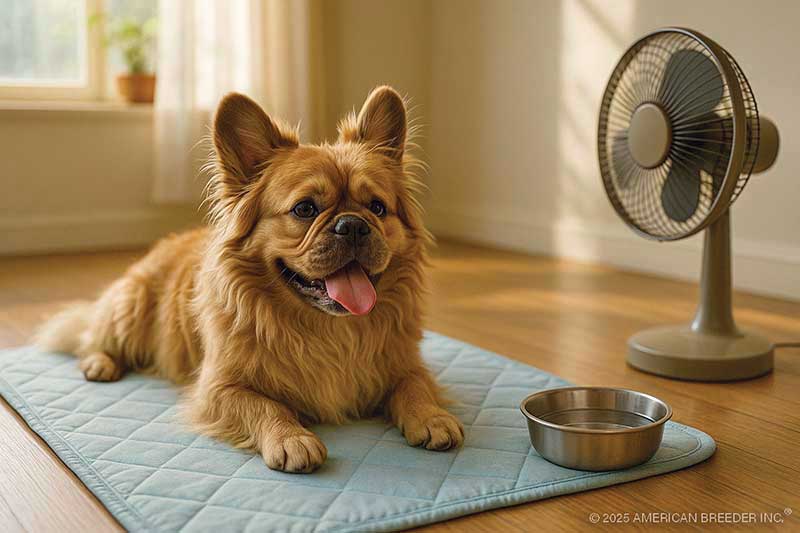 Appearance: Size: Small | Weight: 16-28 pounds | Coat Type: Medium, smooth | Colors & Patterns: Various colors, no specific patterns | Distinctive Features: Bat-like ears, short nose, muscular build
Temperament: Energy Level: 3/5 | Friendliness to Pets: 4/5 | Friendliness to Strangers: 3/5 | Trainability: 2/5 | Playfulness: 4/5 | Frequent Barker: 2/5 | Chase Instincts: 2/5 | Sense of Smell: 1/5 | Drive to Hunt: 1/5
Health & Care: Health Issues: Brachycephalic Syndrome, Hip Dysplasia | Lifespan: 10-12 years | Grooming Difficulty: Low | Exercise Needs: Moderate
Socialization: Interaction with Children: Good, playful and gentle | Interaction with Pets: Generally friendly | Interaction with Strangers: Reserved but polite | Ease of Training: Moderate
Suitable Living Arrangements: Apartment: Yes | House: Yes | Rural Area: Yes | Yard Size Requirements: Small yard is sufficient
Training & Obedience: Trainability: 3/5 | Intelligence: 3/5 | Obedience: 3/5 | Problem-Solving: 2/5 | Easily Stimulated: 3/5 | Focus Level: 2/5 | Easily Distracted: 2/5
Financial Planning: Typical Price Range: $1,700 - $4,300 | Initial Expenses: Puppy vaccinations, crate, toys | Ongoing Annual Expenses: Food, grooming, veterinary care
Breeding: Reproductive Maturity: 6-9 months | Litter Frequency: Once a year | Litter Size: 3-4 puppies | Stud Cost: $1,200 - $3,200 | Breeding Challenges: Difficulties during whelping due to the breed's head size