
Rabbit Categories


Ultimate Pet Rabbits Guide
Introduction to Pet Rabbits
The Appeal of Rabbits as Pets
Rabbits are one of the most charming and versatile pets you can welcome into your home. From their playful hops to their twitching noses, these quiet companions bring joy to rabbit enthusiasts of all ages. Whether you're looking for a furry friend to snuggle with or a lively companion to brighten your day, rabbits can adapt to many lifestyles.
Fun Fact: Did you know that rabbits can be litter-trained and can live up to 10+ years with proper care? They’re a long-term commitment that offers endless rewards.
Understanding the Commitment
Adopting a rabbit isn’t just about finding the cutest bunny at a breeder or shelter. It’s about understanding their unique needs and creating a safe, loving environment. Think of it as adding an adorable, hay-loving roommate who thrives on routine, enrichment, and care.
Key Considerations
- Lifespan: Rabbits live an average of 8 to 12 years. Are you ready for the long haul?
- Space: A rabbit needs more than a cage; they require a playpen, an enriched space, or even free-roaming access to parts of your home.
- Costs: From rabbit food and bedding to veterinary care and grooming supplies, expenses can add up. Budget wisely for their well-being.
Benefits of Owning a Rabbit
Rabbits are the perfect mix of playful and low-maintenance, making them ideal pets for families, individuals, and even first-time pet owners.
Why Choose a Rabbit?
- Low Noise: Unlike dogs and cats, rabbits are mostly silent, which makes them perfect for apartments or quiet households.
- Affectionate Companions: Rabbits form bonds with their owners, often seeking attention and responding to their names.
- Engaging Personalities: Every rabbit has a unique personality, from curious explorers to laid-back cuddlers.
Pro Tip: Rabbits thrive with routine. Establish a regular schedule for feeding, cleaning, and playtime to keep your bunny happy and healthy.
Types of Pet Rabbits
Rabbits come in a variety of shapes, sizes, and temperaments, each suited for different types of households. To help you make the right choice, here's a detailed exploration of the main categories of rabbit breeds, their unique traits, and why they might be the perfect addition to your home.
Rabbit Breed Categories
Commercial Rabbits
Commercial breeds are medium to large rabbits originally bred for meat or fur but now beloved as gentle, sturdy companions.
- Rex Rabbit
Renowned for their plush, velvety fur, Rex rabbits are calm and friendly, making them excellent for families.
Personality Quirk: Cuddly and laid-back, they enjoy lounging and being pampered. - Californian Rabbit
Distinguished by their white coats with dark-colored ears, nose, and paws, Californians are adaptable and even-tempered.
Personality Quirk: Curious and intelligent, they love solving puzzles and exploring. - Satin Rabbit
Known for their glossy, satin-like fur, Satin rabbits are gentle and great for bonding with their owners.
Personality Quirk: Calm and adaptable, they thrive on interactive play and companionship. - American Chinchilla Rabbit
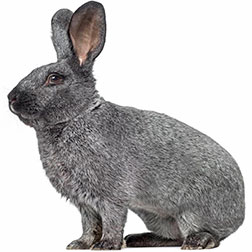
A family favorite due to their dense, soft fur and gentle demeanor.
Personality Quirk: Affectionate and docile, they form strong bonds with their owners. - Giant Angora Rabbit
With their woolly coats, they’re ideal for those who enjoy grooming and nurturing.
Personality Quirk: Gentle and calm, they enjoy relaxed interactions with their family.
Compact Rabbits
Compact breeds are small, lively rabbits that fit perfectly into smaller homes or apartments.
- Holland Lop
Beloved for their floppy ears and playful nature, Holland Lops are highly sociable.
Personality Quirk: Natural entertainers that thrive on human interaction. - Netherland Dwarf Rabbit
Tiny but full of energy, these rabbits are great for experienced owners.
Personality Quirk: Spunky and curious, they bond closely with patient families. - Mini Rex Rabbit
A smaller version of the Rex, they offer luxurious fur in a petite package.
Personality Quirk: Affectionate and tolerant, they love attention and cuddles. - Lionhead Rabbit
Their distinctive mane of fluffy fur gives them a regal yet quirky look.
Personality Quirk: Adventurous and curious, they’re always eager to explore.
Cylindrical Rabbits
This unique category is represented solely by the Himalayan Rabbit, known for their elongated body and calm demeanor.
- Himalayan Rabbit
With their dark ears, nose, and feet, these rabbits are instantly recognizable.
Personality Quirk: Sweet and serene, they’re perfect for homes with children or other pets.
Fully Arched Rabbits
Fully arched breeds are characterized by their graceful build and energetic, curious nature.
- Belgian Hare Rabbit
Sleek and hare-like, they are highly active and require plenty of space to play.
Personality Quirk: Energetic and athletic, they enjoy running and exploring. - English Spot Rabbit
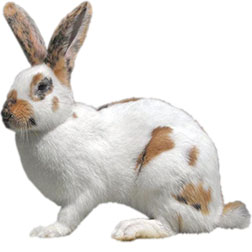
Easily identified by their spotted coat, these rabbits are friendly and social.
Personality Quirk: Outgoing and playful, they love interactive games and outdoor time. - Rhinelander Rabbit
A tri-colored beauty with a cheerful personality.
Personality Quirk: Active and sociable, they thrive in dynamic households.
Semi-Arched Rabbits
These larger breeds are known for their regal body shape and relaxed temperaments.
- Flemish Giant Rabbit
The “gentle giants” of the rabbit world, they are affectionate and calm.
Personality Quirk: Loving and snuggly, they form strong bonds with their family. - English Lop Rabbit
Famous for their long, floppy ears, these rabbits are laid-back and easygoing.
Personality Quirk: Sweet and mellow, they’re happiest lounging with their humans. - Velveteen Lop Rabbit
A medium-sized crossbreed of the Rex and English Lop, known for their affectionate nature.
Personality Quirk: Gentle and loving, they enjoy quiet, calm environments.
Popular Rabbit Breeds for Beginners and Families
For first-time owners or families, these breeds are ideal due to their manageable size, friendly personalities, and ease of care
- Holland Lop: Small, sociable, and playful, perfect for children.
- Mini Rex: Calm and low-maintenance, great for busy households.
- Lionhead Rabbit: Curious and interactive, ideal for those who want an engaging pet.
Domestic vs. Wild Rabbits: Key Differences
- Domestic Rabbits: Bred for companionship, domestic rabbits are tamer, more sociable, and dependent on human care. They thrive in indoor environments and form strong bonds with their families.
- Wild Rabbits: Wild rabbits are independent and adapted for survival in natural habitats. They cannot be domesticated and are best observed in the wild.
Understanding these differences ensures you’re well-equipped to care for your rabbit and meet its specific needs.
Final Thoughts on Choosing a Rabbit Breed
Selecting the right rabbit is all about matching their temperament and care requirements with your lifestyle. Whether you’re drawn to the plush fur of the Rex or the playful antics of a Holland Lop, there’s a perfect breed for everyone.
Pro Tip: Spend time observing your potential rabbit’s behavior before bringing them home. A calm, curious rabbit is more likely to adapt well to your family and environment.
Research and Preparation: Choosing the Perfect Rabbit for Your Home
Before bringing home a rabbit, it’s crucial to do your homework. Rabbits have diverse needs, temperaments, and care requirements, and understanding these factors can help ensure you find the perfect match for your lifestyle. This section covers everything you need to know to prepare for rabbit ownership, from choosing the right breed to budgeting for your new pet.
Understanding Rabbit Breeds
Rabbits come in a variety of sizes and temperaments, making it essential to consider how their needs align with your lifestyle. Some breeds are small and energetic, while others are larger and more laid-back. When choosing a rabbit, consider the following
- Size: Larger breeds, like the Flemish Giant, require more space, while smaller breeds, like the Netherland Dwarf, can thrive in smaller living areas.
- Temperament: Some rabbits, like Holland Lops, are sociable and playful, while others, like Himalayan Rabbits, are more calm and reserved.
- Care Needs: Long-haired breeds, such as Angoras, require regular grooming, while short-haired rabbits may need less maintenance.
Take the Rabbit Personality Quiz!
To make it fun and interactive, try a personality quiz to find your "ideal rabbit." Answer questions about your space, activity level, and the type of pet you want to discover your perfect match.
(Example: Are you more laid-back or adventurous? How much time can you dedicate to grooming? Do you prefer a cuddly companion or an independent explorer?)
Adopting vs. Buying a Rabbit
When it comes to bringing a rabbit into your life, you’ll need to decide whether to adopt from a shelter or buy from a breeder. Both options have their benefits, but it’s important to choose ethically.
Where to Find Rabbits
- Breeders: Reputable breeders can provide detailed information about a rabbit’s health, genetics, and temperament.
- Shelters and Rescues: Adopting from a shelter gives a home to a rabbit in need. Many rescues provide detailed personality assessments and health checks.
- Pet Stores: While some pet stores sell rabbits, it’s essential to ensure they source them responsibly and not from mass-breeding operations.
Ethical Sourcing
- What to Look For: Responsible breeders prioritize the health and well-being of their rabbits, offering clean environments, proper veterinary care, and socialization.
- Red Flags to Avoid: Avoid breeders or stores that can’t provide health records, keep animals in overcrowded or unsanitary conditions, or seem overly focused on profit.
- Supporting Shelters: By adopting, you not only give a rabbit a second chance but also help combat overpopulation and neglect.
Cost of Rabbit Ownership
Owning a rabbit is a long-term commitment, and it’s important to budget for both initial and ongoing expenses.
Initial Setup Costs
The first step in rabbit ownership is creating a comfortable environment for your new companion
- Enclosure: A spacious rabbit hutch or playpen ($50–$200+).
- Supplies: Water bottles, food dishes, and hay racks ($20–$50).
- Bedding: Safe and comfortable bedding materials ($10–$30 per bag).
- Toys and Enrichment: Chew toys, tunnels, and puzzles to keep your rabbit engaged ($20–$50).
Ongoing Expenses
Rabbits require consistent care to stay healthy and happy
- Food: Fresh hay, vegetables, and rabbit pellets ($30–$50 per month).
- Bedding: Regular replacements ($10–$30 per month).
- Veterinary Care: Annual checkups, spaying/neutering, and emergency care ($100–$300+ per year).
- Grooming: If you have a long-haired breed, you may need grooming tools or professional services ($10–$50 per session).
Total Monthly Cost Estimate
Expect to spend $50–$100 per month on essentials like food, bedding, and general care, with additional costs for vet visits or special needs.
Thoughts on Preparation
Preparation is key to creating a happy, healthy life for your rabbit. By researching breeds, choosing an ethical source, and budgeting for their needs, you’ll set yourself up for a rewarding experience with your new furry friend.
Pro Tip: Visit shelters, rescues, or breeders in person to ask questions and see how the rabbits are cared for. This can help you make an informed and ethical decision.
Rabbit Biology and Behavior: Getting to Know Your Bunny
Rabbits aren’t just adorable—they’re fascinating! From their unique anatomy to their quirky behaviors, understanding your rabbit’s biology and communication style will help you build a stronger bond with your furry friend. Let’s hop into the world of rabbits and explore what makes them tick.
Understanding Rabbit Anatomy
Rabbits have some pretty amazing biological features that make them uniquely suited for their environment—and for stealing our hearts!
- Ears: Those big ears aren’t just for show! Rabbits use them to regulate body temperature and detect predators from far away.
- Teeth: Here’s a fun fact: A rabbit’s teeth never stop growing! That’s why they’re always chewing—on hay, toys, or sometimes your furniture (watch out!).
- Digestive System: Rabbits are herbivores with a complex digestive system. Their diet of hay and leafy greens keeps things moving smoothly.
- Fur Types: From plush Rex fur to the flowing Angora coats, rabbit fur comes in all textures and lengths, each requiring different levels of grooming.
Fun Fact: A rabbit’s teeth grow up to 3-5 inches per year. Imagine needing braces for life!
Rabbit Behavior and Communication
If you think rabbits are quiet, think again! They communicate through body language, sounds, and some downright hilarious antics.
- Binkies: When your rabbit leaps into the air, twisting and kicking, that’s a binky—a sign of pure joy!
- Thumps: A loud thump of the back legs signals fear, warning, or sometimes just a bit of sass.
- Flops: When your bunny dramatically flops onto their side, it’s a sign they’re feeling completely relaxed and safe.
Decoding Rabbit Body Language
- Ears Forward: Curious and alert, your bunny is investigating something interesting.
- Ears Back: This could mean they’re annoyed or scared. Time to give them space!
- Nose Wiggles: A fast nose wiggle often means excitement, while slower wiggles show relaxation.
- Tail Flick: If they flick their tail at you, they might be saying, “Not today, human!”
Learning to read these signals will help you understand what your rabbit is feeling and how to respond.
Rabbit Social Needs
Rabbits are highly social animals that thrive on companionship—whether from humans or other bunnies.
Bonding with Humans
Rabbits may start out shy, but with patience, they’ll warm up and show their affection. Grooming you with tiny nibbles or licking your hand is their way of saying, “You’re my favorite human!”
Bonding with Other Rabbits
- Solo Rabbits: While some rabbits can thrive solo, they need lots of interaction and playtime with their human companions to stay happy.
- Paired Rabbits: Rabbits often do best in pairs or small groups. A bonded pair provides each other with constant companionship, which can reduce stress and boredom.
Pro Tip: When introducing rabbits, take it slow! Bonding is a process that involves careful supervision to ensure they get along.
Why Rabbit Behavior Matters
Understanding your rabbit’s biology and behavior will deepen your connection and help you meet their needs. Whether they’re doing zoomies around the room, flopping onto their side in bliss, or flicking their tail in rebellion, your rabbit is always communicating—sometimes you just have to listen with your eyes.
Pro Tip: Spend time observing your rabbit’s quirks. Every bunny has its own personality, and learning their unique “language” is part of the joy of being a rabbit owner!
Setting Up a Rabbit’s Enclosure: Creating the Perfect Bunny Home
Your rabbit’s enclosure is more than just a space—it’s their safe haven, playground, and dining room all rolled into one. Setting up a cozy, functional habitat is key to ensuring your bunny feels right at home. Whether you’re considering indoor or outdoor housing, let’s hop into everything you need to know to design the perfect bunny abode.
Choosing the Right Habitat
When deciding on your rabbit’s living space, it’s important to weigh the options between indoor and outdoor housing. Both have their benefits, but the best choice depends on your rabbit’s needs and your lifestyle.
Indoor vs. Outdoor Housing
|
Factor |
Indoor Housing |
Outdoor Housing |
|
Safety |
Protected from predators and weather |
Vulnerable to predators and extreme temps |
|
Social Interaction |
Easy to interact and bond with your rabbit |
Less daily interaction with family |
|
Space |
May require creative use of small spaces |
Offers more room for larger enclosures |
|
Cleaning |
Easier to clean and maintain |
More effort to weatherproof and sanitize |
Pro Tip: If you opt for outdoor housing, ensure it’s predator-proof, weather-resistant, and safe from extreme heat or cold.
Types of Enclosures
- Hutches: Great for outdoor rabbits, hutches should be raised off the ground and include a secure sleeping area.
- Pens: Ideal for indoor rabbits, playpens provide plenty of space to hop and explore.
- Cages: While commonly sold for rabbits, cages are often too small. Use them only as part of a larger play area.
Habitat Design
Rabbits are active and curious creatures, so their enclosure should cater to their natural behaviors while keeping them comfortable and safe.
Minimum Space Requirements
The general rule of thumb is that a rabbit’s enclosure should be at least four times the size of your rabbit when fully stretched out. Larger breeds, like Flemish Giants, need significantly more space, while compact breeds like Netherland Dwarfs can do well with smaller enclosures as long as they have ample time to roam outside their habitat.
Zoning for Bunny Bliss
- Sleeping Area: Rabbits need a quiet, enclosed space where they feel safe. A small covered area or box works perfectly.
- Dining Spot: Keep food and water in one corner, with hay racks to ensure your rabbit always has access to fresh hay.
- Play Zone: Create a space with toys, tunnels, and room to hop. Rabbits love to explore and need mental stimulation to stay happy.
DIY Enrichment Ideas
- Cardboard Bunny Tunnel: Tape together a series of cardboard boxes to create a fun tunnel system. Add openings for extra exits!
- Digging Box: Fill a shallow box with shredded paper or child-safe sand to satisfy your rabbit’s digging instincts.
- Treat Dispenser: Hide small treats in a paper towel roll stuffed with hay to keep your bunny entertained.
Tips for a Happy Habitat
- Easy Access: Ensure you can easily access your rabbit for bonding time, cleaning, and feeding.
- Bedding: Use soft, rabbit-safe bedding materials, such as aspen shavings or fleece, for comfort. Avoid cedar and pine, which can be harmful.
- Escape-Proofing: Rabbits are excellent diggers and jumpers, so make sure their enclosure is secure and escape-proof.
Creating the right enclosure isn’t just about meeting your rabbit’s needs—it’s about making them feel at home. With the right setup, your rabbit will have a happy, healthy space where they can eat, sleep, play, and thrive.
Pro Tip: Regularly rearrange their play zone or add new toys to keep your bunny curious and engaged!
Temperature and Ventilation: Keeping Your Rabbit Comfortable
Rabbits are sensitive to temperature and air quality, and maintaining the ideal environment is crucial to their health and happiness. From eco-friendly climate control to preventing heat stress, this section covers everything you need to know about creating a safe, well-ventilated space for your bunny.
Eco-Friendly Solutions for Ideal Conditions
Keeping your rabbit’s environment comfortable doesn’t have to harm the planet. Try these eco-friendly tips for maintaining the perfect temperature and ventilation
- Natural Cooling: Use reflective shades, thermal curtains, or strategically placed fans to keep indoor spaces cool without excessive energy use.
- Energy-Efficient Heating: In cooler months, consider a small, energy-efficient heater placed at a safe distance from your rabbit’s enclosure.
- Ventilation: Open windows or use an air purifier to maintain fresh, clean air without creating drafts.
Preventing Heat Stress and Drafts
Rabbits thrive in temperatures between 60–70°F (15–21°C). Anything outside this range can cause stress or even serious health problems.
How to Prevent Heat Stress
- Hydration: Ensure constant access to fresh, cool water. Use ceramic bowls or insulated bottles to keep water cooler for longer.
- Cooling Options: Place frozen water bottles wrapped in a towel in the enclosure for your rabbit to lean against.
- Shade: For outdoor enclosures, make sure there’s always a shaded area to escape the sun.
Signs of Heat Stress: Panting, lethargy, and wetness around the nose are warning signs. If you notice these, act quickly to cool your rabbit down and consult a vet if symptoms persist.
Avoiding Drafts
- Placement: Keep your rabbit’s enclosure away from windows, doors, or air vents to avoid chilly drafts.
- Insulation: Use fleece blankets or mats in colder weather to create a warm, cozy space.
Accessories and Toys: Keeping Your Bunny Busy
A well-equipped enclosure is essential for your rabbit’s comfort and enrichment. Let’s look at the must-have accessories and fun toys to keep your bunny entertained.
Feeding Essentials
- Hay Feeders: Keep hay clean and off the floor with a sturdy hay rack. Look for one that allows your rabbit to graze comfortably.
- Water Bottles and Bowls: Choose a heavy ceramic bowl to prevent tipping, or a leak-proof water bottle for mess-free hydration.
- Food Bowls: Use a weighted or non-slip bowl for pellets and fresh veggies to keep mealtime neat.
Recommended Toys
Toys are more than just fun—they provide essential mental and physical stimulation.
- Chew Toys: Wooden blocks, untreated wicker balls, or apple sticks help keep teeth healthy.
- Tunnels: Fabric or cardboard tunnels satisfy your rabbit’s love of burrowing and exploring.
- Interactive Toys: Puzzle feeders or treat balls challenge your rabbit’s mind while rewarding their efforts.
DIY Play Accessories
- Cardboard Castles: Stack and cut cardboard boxes to create a multi-level fortress for climbing and hiding.
- Toilet Paper Roll Chews: Stuff a toilet paper roll with hay or treats for a simple and fun activity.
- Sock Digging Toy: Fill an old sock with shredded paper and tie the end for a safe, diggable toy.
Thoughts on Rabbit Comfort
By maintaining ideal temperatures, ensuring proper ventilation, and providing engaging accessories, you’ll create a safe and stimulating environment for your rabbit.
Pro Tip: Rotate your rabbit’s toys and accessories every couple of weeks to keep things fresh and exciting!
Feeding Your Rabbit: The Key to a Happy, Healthy Bunny
A well-balanced diet is essential for your rabbit's health and longevity. Understanding their nutritional needs and offering the right foods will keep your bunny thriving. Let’s dive into the basics of rabbit nutrition, meal planning, and keeping them hydrated.
Rabbit Nutrition Basics
Think of your rabbit’s diet as a pyramid, with hay forming the foundation. Rabbits are herbivores with sensitive digestive systems, so every meal should be tailored to their needs.
The Rabbit Dietary Pyramid
- Hay (75–80% of the diet)
High-quality hay, such as Timothy or Orchard Grass, is the most important part of your rabbit’s diet. It aids digestion and helps wear down continuously growing teeth. - Fresh Vegetables (10–15%)
Leafy greens like romaine lettuce, parsley, and cilantro provide essential vitamins and hydration. Avoid starchy or sugary vegetables, like carrots, as a daily staple. - Pellets (5–10%)
Choose a high-fiber pellet with no added seeds or artificial colors. Pellets are a supplement, not the main course. - Treats (1–2%)
Occasional fruit slices or rabbit-safe snacks can be a tasty reward.
Pro Tip: Always introduce new foods gradually to avoid upsetting your rabbit’s stomach.
Recommended Diet Plan
Rabbits have different dietary needs depending on their age and activity level. Here’s a simple feeding schedule to follow
Kits (Under 6 Months)
- Hay: Unlimited alfalfa hay for extra calcium and protein.
- Pellets: Unlimited pellets designed for young rabbits.
- Vegetables: Introduce small amounts of leafy greens around 3 months old.
Adult Rabbits (6 Months–5 Years)
- Hay: Unlimited grass hay (Timothy, Orchard Grass).
- Pellets: 1/4 cup per 5 pounds of body weight daily.
- Vegetables: 2–4 cups of fresh greens daily, depending on size.
Senior Rabbits (Over 5 Years)
- Hay: Unlimited.
- Pellets: Maintain current portion if weight is stable; adjust as needed.
- Vegetables: Continue feeding daily greens unless health issues arise.
Safe and Unsafe Foods
It’s crucial to know which foods are rabbit-friendly and which are off-limits. Below is a quick guide to help you choose wisely.
Safe Foods (Yes!)
- Hay: Timothy, Orchard Grass, Meadow Hay.
- Greens: Romaine lettuce, parsley, cilantro, kale (in moderation).
- Vegetables: Zucchini, bell peppers, cucumbers, celery.
- Fruits (Occasionally): Apple (no seeds), banana, berries.
Unsafe Foods (No!)
- Processed Foods: Bread, crackers, chips.
- Toxic Vegetables: Potatoes, onions, garlic, rhubarb.
- Sugary Fruits: Grapes, raisins, cherries (in excess).
- Plants: Nightshade plants, houseplants (many are toxic).
Pro Tip: Post a visual “yes/no” food chart near your rabbit’s enclosure to make meal planning easier for the whole family.
Hydration Needs
Water is just as important as food for your rabbit’s health. Dehydration can lead to serious health problems, so ensure consistent access to fresh, clean water.
- Bowls vs. Bottles: While both can work, heavy ceramic bowls are easier for rabbits to drink from and are less likely to clog. Water bottles can be more hygienic if cleaned regularly.
- Placement: Keep water in a shaded, easy-to-reach spot within their enclosure.
- Daily Maintenance: Change the water daily to keep it fresh and appealing.
Tips for Feeding Your Rabbit
Providing a balanced diet is one of the best ways to show your rabbit love. By offering plenty of hay, the right mix of vegetables, and occasional treats, you’ll keep them happy and healthy for years to come.
Pro Tip: Monitor your rabbit’s eating habits closely. A sudden change in appetite or refusal to eat is often a sign of illness and requires immediate veterinary attention.
Basic Rabbit Care and Maintenance: Keeping Your Bunny Happy and Healthy
Caring for a rabbit isn’t just about feeding them and giving them a cozy space to live—it’s about making sure they’re clean, comfortable, and feeling their best. With the right approach, basic care can become part of the bonding experience with your furry friend. Let’s make the essentials of rabbit care enjoyable for both you and your bunny!
Grooming Basics
Rabbits may be naturally clean animals, but they still need a little help from their human caretakers. Grooming isn’t just about keeping them looking cute—it’s essential for their health and comfort.
Fur Maintenance
- Short-Haired Breeds: A quick brushing once a week will keep their coats sleek and remove loose fur.
- Long-Haired Breeds: Breeds like Angoras need daily brushing to prevent mats and tangles. Bonus: grooming time doubles as bonding time!
Fun Tip: Use a small, soft-bristled brush for gentle grooming. For long-haired rabbits, invest in a slicker brush or de-matting tool.
Nail Trimming
Rabbits’ nails grow quickly and can become uncomfortable or even dangerous if left untrimmed.
- How Often: Check and trim every 4–6 weeks.
- How-To: Use a small animal nail clipper, and be careful not to cut the quick (the pink part of the nail). If you’re unsure, ask a vet or groomer for a demo!
Ear Cleaning
Rabbits' ears are adorable, but they can also collect dirt and wax.
- Use a soft, damp cloth to gently wipe the outer ear.
- Avoid inserting anything into the ear canal—it’s sensitive and best left to the vet if there’s an issue.
Handling Shedding Seasons
Rabbits shed heavily a few times a year. Help them out by brushing more frequently and providing extra hay to keep their digestion healthy. Swallowed fur can cause dangerous blockages, so grooming during shedding is especially important.
Pro Tip: Make grooming fun by offering a treat afterward. Your rabbit will soon associate brushing with snack time!
Litter Training
Yes, rabbits can be litter trained! It’s easier than you think and makes cleaning their enclosure so much simpler. Here’s how to turn your bunny into a bathroom pro.
Step-by-Step Tutorial
- Choose the Right Litter Box: Look for a shallow box with low sides. Add a rabbit-safe litter like paper-based pellets—avoid clay or clumping litters.
- Placement Matters: Rabbits tend to choose one corner for their business. Place the box in that spot to encourage use.
- Add Hay: Rabbits love to munch while they “go.” Add fresh hay to one side of the litter box.
- Positive Reinforcement: Praise your rabbit or offer a treat when they use the box.
- Patience is Key: Accidents will happen. Clean up accidents with vinegar and avoid scolding—it only confuses your bunny.
Troubleshooting Tip: If your rabbit avoids the litter box, check for stress, a dirty box, or changes in their environment. Sometimes a second box helps!
Cleaning the Enclosure
A clean home means a happy, healthy rabbit. With a regular cleaning routine, you can keep odors and messes at bay while ensuring your bunny feels fresh and comfortable.
Daily Cleaning
- Remove soiled bedding and spot-clean any messes.
- Refresh food and water bowls, and replace hay in the feeder.
- Scoop litter boxes to keep them tidy.
Weekly Cleaning
- Empty and scrub the litter box with rabbit-safe cleaner (like vinegar and water).
- Replace all bedding and wipe down the enclosure with a damp cloth.
- Rotate toys and accessories to keep your bunny entertained.
Monthly Cleaning
- Deep clean the entire enclosure, including bars, corners, and hard-to-reach spots.
- Disinfect bowls, water bottles, and toys.
- Inspect for wear and tear—replace any damaged items to keep your rabbit safe.
Fun Tip: Create a “cleaning playlist” of upbeat songs to make chore time fly by!
Printable Cleaning Schedule
To stay organized, use a printable cleaning checklist to track your daily, weekly, and monthly tasks. Hang it near the enclosure so everyone in the household can pitch in.
Thoughts on Rabbit Care
Grooming, litter training, and regular cleaning aren’t just chores—they’re opportunities to connect with your rabbit. By keeping their environment fresh and their fur sleek, you’ll not only have a happier bunny but also a stronger bond with your furry friend.
Pro Tip: Turn rabbit care into a routine that includes rewards and playtime. A clean bunny is a happy bunny—and a happy bunny is a joy to have around!
Rabbit Health and Wellness: Keeping Your Bunny Hopping with Joy
A healthy rabbit is a happy rabbit, and understanding how to care for their health is key to ensuring they thrive. Rabbits can be masters of hiding illness, so it’s important to know the signs of common issues, stay on top of preventive care, and be prepared for emergencies. Let’s explore how to keep your bunny in tip-top shape.
Common Health Issues
Rabbits are delicate creatures with specific health needs. Knowing the warning signs of common ailments can make all the difference.
Signs to Watch For
- GI Stasis (Gastrointestinal Stasis): A serious condition where the digestive system slows or stops.
- Symptoms: Lack of appetite, small or no droppings, hunched posture, lethargy.
- Action: Contact your vet immediately; this is an emergency!
- Dental Problems: Rabbits’ teeth grow continuously, and overgrowth can lead to pain and eating difficulties.
- Symptoms: Drooling, difficulty chewing, weight loss, reduced appetite.
- Prevention: Provide plenty of hay and regular dental check-ups.
- Ear Mites: Parasites that can cause itching and discomfort.
- Symptoms: Excessive scratching, crusty or inflamed ears, head shaking.
- Action: Your vet can prescribe safe treatments to eliminate mites.
Interactive Checklist for Symptoms
Print or bookmark a checklist of symptoms to monitor your rabbit’s health.
- Eating less or not at all?
- Changes in droppings (size, shape, or frequency)?
- Excessive scratching or grooming?
- Difficulty moving or signs of pain?
Pro Tip: Perform a weekly “bunny health check” to catch issues early. Check their ears, eyes, fur, and nails, and gently feel their tummy for bloating or tenderness.
Preventive Care
Staying proactive about your rabbit’s health can prevent many common issues and keep them thriving.
Vaccination Schedules
- Depending on your region, your rabbit may need vaccines for diseases like Rabbit Hemorrhagic Disease (RHD).
- Speak with your vet about the best vaccination schedule for your bunny.
Parasite Prevention
- Regularly clean your rabbit’s enclosure to reduce the risk of fleas, mites, and worms.
- Use rabbit-safe parasite prevention products as recommended by your vet.
Routine Vet Visits
- Rabbits need annual check-ups, even if they seem healthy.
- A good rabbit-savvy vet will check their teeth, weight, and overall health to catch potential issues early.
Fun Tip: Turn vet visits into a positive experience by bringing your rabbit’s favorite treat or toy for comfort.
Emergency Situations
Rabbits are prey animals, meaning they often hide symptoms until they’re seriously ill. Knowing how to respond in emergencies can save your rabbit’s life.
Rabbit First Aid Kit Essentials
Every rabbit owner should have a basic first aid kit on hand
- Styptic Powder: Stops bleeding from minor cuts or nail trims.
- Oral Syringe: For administering water or medication.
- Critical Care Formula: A powdered food supplement for sick or recovering rabbits.
- Digital Thermometer: Monitor for fever or hypothermia.
- Tweezers and Scissors: For removing foreign objects or cutting away mats.
- Emergency Contact List: Include your vet’s number and the nearest 24-hour animal hospital.
Recognizing Life-Threatening Symptoms
- Difficulty Breathing: Open-mouth breathing or gasping is a severe emergency.
- Lack of Appetite: Rabbits that stop eating can develop GI stasis quickly.
- Lethargy: A rabbit that won’t move or seems weak needs immediate attention.
- Unusual Posture: Hunched posture or pressing their belly to the ground often signals pain.
Pro Tip: Act fast in emergencies. Rabbits can deteriorate quickly, so trust your instincts and call your vet if something feels off.
Thoughts on Rabbit Wellness
Caring for your rabbit’s health is an ongoing commitment, but the reward is a long, happy life for your furry companion. By staying alert to symptoms, prioritizing preventive care, and being prepared for emergencies, you’ll be ready to handle whatever comes your way.
Pro Tip: Keep a journal of your rabbit’s eating habits, weight, and behavior. Subtle changes can provide early clues to health problems, helping you catch them before they escalate.
Handling and Interaction: Building a Loving Bond with Your Bunny
Rabbits are social, intelligent, and curious creatures, but they can also be delicate and easily stressed. Learning how to handle and interact with them properly will help build trust and create a strong, happy bond. Let’s explore how to make your rabbit feel loved while keeping them safe and stress-free.
How to Safely Handle a Rabbit
Handling a rabbit is more art than science—they’re fragile animals with powerful hind legs that can injure themselves if they struggle. Here’s how to pick them up and hold them safely
Step-by-Step Handling Techniques
- Approach Calmly: Speak softly and move slowly to avoid startling your rabbit. Sudden movements can trigger their “fight or flight” response.
- Support Their Body: Place one hand under their chest and the other under their hindquarters. Never lift a rabbit by the ears or scruff—this can cause pain and fear.
- Hold Close: Bring your rabbit close to your body for support. This makes them feel secure and reduces the risk of kicking.
- Avoid Overhandling: Not all rabbits enjoy being picked up. If your bunny prefers staying on the ground, respect their preference and interact with them at their level.
Pro Tip: Always supervise children when they’re handling a rabbit. Teach them the importance of being gentle and letting the rabbit come to them.
Building Trust
Trust isn’t built overnight, but with patience and consistency, your rabbit will learn to see you as their favorite human.
Bonding Tips
- Treat-and-Pet Time: Use small, healthy treats like a piece of apple or a sprig of parsley to reward your rabbit when they approach you. Follow up with gentle pets along their head and back.
- Get on Their Level: Sit or lie on the floor during bonding time. Let your rabbit explore you on their terms—they might hop into your lap or nudge you with their nose.
- Positive Reinforcement: Always reward good behavior with treats, praise, or affection. Avoid punishment; rabbits don’t respond well to negative reinforcement.
Fun Tip: Some rabbits love gentle forehead rubs and ear scratches. Watch their body language—if they close their eyes or lean into your hand, you’ve hit the sweet spot!
Playing with Your Rabbit
Rabbits are playful and active animals that love to explore, dig, and solve puzzles. Playtime isn’t just fun—it’s essential for their mental and physical health.
Game Ideas
- Bunny Bowling: Set up a row of lightweight plastic bowling pins or empty bottles. Let your rabbit nudge or knock them over.
- Digging Box: Fill a shallow box with shredded paper, hay, or child-safe sand for your rabbit to dig to their heart’s content.
- Treat Hunt: Hide small treats around the room or in a hay pile for your bunny to sniff out.
- Tunnels and Obstacles: Set up cardboard boxes, tunnels, and low jumps to create a bunny-friendly obstacle course.
Creating a Stimulating Play Environment
- Safe Space: Bunny-proof your play area to remove hazards like electrical cords and toxic plants.
- Variety: Rotate toys regularly to keep things fresh and exciting.
- Interactive Toys: Invest in puzzle feeders or DIY toys that encourage problem-solving.
Pro Tip: Rabbits are crepuscular, meaning they’re most active during dawn and dusk. Schedule playtime during these hours for maximum energy and fun!
Thoughts on Rabbit Interaction
The more time you spend handling, bonding, and playing with your rabbit, the more their unique personality will shine through. Building trust and engaging in stimulating activities are not only fun but also essential for your rabbit’s well-being.
Pro Tip: Celebrate small victories, like when your rabbit lets you pet them or eagerly participates in a game. Each step is a sign of a growing bond that’s worth every moment of effort.
Special Topics for Rabbit Owners: Going Beyond the Basics
Once you’ve mastered the essentials of rabbit care, it’s time to tackle some unique scenarios that rabbit owners might face. From breeding basics to travel tips and seasonal care, this section will help you navigate the trickier parts of rabbit ownership with ease.
Rabbit Breeding Basics
Breeding rabbits is a significant responsibility that requires careful planning, ethical considerations, and a strong commitment to the health of the animals involved.
Ethical Considerations for Breeding
- Know Your Why: Breeding should only be done with a clear purpose, such as preserving a breed or ensuring healthy, well-tempered offspring—not for profit or novelty.
- Health First: Both the buck (male) and doe (female) should be healthy, of appropriate age, and free from genetic issues.
- Overpopulation Awareness: Many rabbits already need homes. If you choose to breed, be prepared to provide lifetime care for all offspring if necessary.
Caring for Pregnant Rabbits and Kits
- Pregnancy Care: Pregnant does need a quiet, stress-free environment with plenty of high-quality hay, fresh vegetables, and clean water.
- Nest Box Prep: Provide a clean, cozy nest box lined with hay and soft bedding a few days before the due date.
- Kit Care: Newborn kits are blind, deaf, and hairless. The mother will nurse them 1–2 times a day. Resist the urge to handle them excessively during the first few weeks, and monitor their growth closely.
Pro Tip: Consult a vet experienced in rabbit care before deciding to breed. They can provide valuable guidance on health, genetics, and responsible practices.
Traveling with Rabbits
Taking your rabbit on a trip requires planning and preparation to ensure their comfort and safety.
Packing Checklist for Rabbit Travel
- Portable Enclosure: A foldable playpen or travel cage with enough space for hopping around.
- Litter Box: A small, travel-friendly litter box.
- Hay and Food: Pack enough hay, pellets, and fresh vegetables for the duration of the trip, plus extra in case of delays.
- Water Bottles or Bowls: Bring their regular water source and a backup.
- Comfort Items: Familiar toys or blankets to make the environment less stressful.
- First Aid Kit: Include essentials like styptic powder, an oral syringe, and emergency contact information for a vet near your destination.
Travel Tips
- Plan Ahead: If staying overnight, check that your accommodation is rabbit-friendly.
- Secure Transport: Use a well-ventilated, secure carrier lined with soft bedding for car rides.
- Breaks and Hydration: Stop every few hours on long trips to check on your rabbit and offer water and hay.
Pro Tip: If your rabbit struggles with travel, consider hiring a pet sitter or boarding them at a rabbit-savvy facility instead.
Seasonal Care Tips
Rabbits are sensitive to temperature extremes, and each season brings unique challenges.
Keeping Rabbits Cool in Summer
- Hydration: Provide fresh, cool water at all times. Add ice cubes to their water dish for extra refreshment.
- Cooling Pads: Place ceramic tiles or frozen water bottles wrapped in towels in their enclosure.
- Shade and Ventilation: Keep their living area shaded and well-ventilated. For outdoor rabbits, consider moving their enclosure to a cooler, covered spot.
Watch for Signs of Heat Stress: Panting, lethargy, and wetness around the nose are red flags—take immediate action to cool your rabbit and consult a vet if symptoms persist.
Keeping Rabbits Warm in Winter
- Insulated Housing: For outdoor rabbits, insulate hutches with weatherproof covers and extra bedding.
- Avoid Drafts: Keep enclosures away from doors and windows that let in cold air.
- Safe Heating: Use pet-safe heating pads or warm water bottles wrapped in towels for extra warmth.
Pro Tip: Check water bowls frequently in winter to ensure they haven’t frozen over, especially for outdoor rabbits.
Final Thoughts on Special Topics
From ethical breeding practices to seasonal care, these special topics require extra attention and effort, but the reward is a deeper bond with your rabbit and the knowledge that you’re providing the best care possible.
Pro Tip: Always have a trusted rabbit-savvy vet on speed dial for advice or emergencies—whether you’re navigating breeding, travel, or seasonal changes, professional guidance can be invaluable.
Additional Resources for Rabbit Owners: Your Go-To Guide for Expert Advice
Whether you’re a new rabbit owner or a seasoned pro, having access to trusted resources can make caring for your bunny even easier. From must-read books to active online communities, eco-friendly products, and adoption support, this section is packed with tools to enhance your rabbit care journey.
Books and Guides
Curl up with one of these highly recommended rabbit care books to expand your knowledge
- "Rabbits for Dummies" by Audrey Pavia
A comprehensive guide for beginners, covering everything from choosing a rabbit to feeding, grooming, and health care. Written in an easy-to-follow style with plenty of helpful tips. - "The Everything Pet Rabbit Handbook" by Sarah Martin
This friendly and approachable guide dives into topics like litter training, behavior, and common rabbit health concerns. Perfect for new owners looking for practical advice. - "Storey’s Guide to Raising Rabbits" by Bob Bennett
A go-to for those interested in breeding or caring for multiple rabbits. It’s packed with detailed information on health, housing, and genetics. - "Why Does My Rabbit...?" by Anne McBride
Ever wonder why your rabbit thumps or binkies? This book is all about decoding rabbit behavior, helping you better understand your furry friend. - "House Rabbit Handbook" by Marinell Harriman
A classic in rabbit care, this book focuses on raising rabbits as indoor pets and building a strong bond with them.
Pro Tip: Look for rabbit care books with positive reviews and modern perspectives to ensure the information is up-to-date.
Online Communities
Joining an online rabbit community is a fantastic way to connect with fellow bunny lovers, ask questions, and share experiences.
Active Forums and Groups
- BinkyBunny.com: A friendly forum for rabbit owners with advice on behavior, diet, and housing.
- Reddit: r/Rabbits: An active subreddit where rabbit enthusiasts discuss everything from funny bunny moments to health concerns.
- House Rabbit Society Facebook Group: A supportive group run by one of the most respected rabbit organizations.
Breed-Specific Groups
- Netherland Dwarf Owners: Connect with others who adore this tiny, spunky breed.
- Lop Lovers: Focused on caring for and celebrating floppy-eared breeds like Holland Lops and English Lops.
Pro Tip: Always verify advice from online sources with a rabbit-savvy vet to ensure it’s accurate and safe.
Supplies and Products
Eco-friendly and rabbit-safe products are a win for both your bunny and the planet.
Cages and Enclosures
- Living World Eco Habitat: A spacious, eco-friendly enclosure made from non-toxic materials.
- MidWest Homes for Pets Rabbit Habitat: A versatile and expandable pen perfect for indoor rabbits.
Food and Treats
- Oxbow Animal Health: A trusted brand offering high-quality hay, pellets, and supplements.
- Small Pet Select: Known for their fresh hay and organic rabbit treats.
Toys and Accessories
- Bunny Blast Yucca Chew Toy: A safe, natural chew toy your rabbit will love.
- Kritter Kondo Play Tents: Portable playpens for indoor and outdoor fun.
Pro Tip: Avoid plastic accessories that your rabbit can chew and ingest—opt for untreated wood or natural materials instead.
Local Rabbit Rescue Organizations
Adopting from a rescue is one of the most rewarding ways to bring a rabbit into your life. Rescues often provide valuable support for new owners, including advice and resources.
Top Rabbit Rescue Organizations
- House Rabbit Society (rabbit.org): An international organization dedicated to rabbit rescue, education, and adoption.
- SaveABunny: A California-based rescue that offers adoption services and rabbit care resources.
- Bunny Buddies: Serving the Houston area, this rescue focuses on finding loving homes for rabbits.
- Midwest Rabbit Rescue & Rehome: Based in Michigan, this rescue provides adoption and care education.
How to Find Local Rescues
Check out Petfinder.com or AdoptAPet.com to search for rabbit rescues near you. Many shelters also have rabbits available for adoption, so don’t forget to contact your local humane society.
Pro Tip: When adopting, ask about the rabbit’s history and personality to ensure the perfect match for your home.
Final Thoughts on Resources
Rabbit ownership comes with a learning curve, but having the right tools and community support makes it much easier—and more fun! Whether you’re diving into a helpful book, joining an online group, or supporting a local rescue, these resources will help you and your bunny thrive.
Pro Tip: Bookmark your favorite rabbit resources so you can easily refer to them when questions pop up. The rabbit care journey is always evolving, and having a little extra guidance can make all the difference!
Conclusion: The Joys of Rabbit Ownership
Bringing a rabbit into your life is so much more than owning a pet—it’s welcoming a little bundle of joy, personality, and endless curiosity. Whether it’s watching your bunny do a happy binky, flopping over in pure relaxation, or nudging you for treats, every moment is a reminder of the unique bond you share.
Owning a rabbit isn’t always easy—it takes effort, patience, and care. But the rewards? They’re immeasurable. From the gentle sound of crunching hay to the soft warmth of a bunny cuddle, rabbits have a way of filling your life with happiness in the most unexpected ways.
Every Moment Is Worth It
Think about the first time your rabbit comes to you willingly, the giggle-worthy sight of them zooming around the room, or the quiet moments when they rest peacefully in your lap. These are the moments that make the time, energy, and dedication worthwhile.
Rabbits teach us patience, kindness, and the beauty of living in the moment. They remind us to slow down and appreciate the little things—like a perfectly wiggling nose or a soft nudge of affection.
Your Rabbit Journey Starts Here
So, are you ready to dive into the wonderful world of rabbit ownership? You’ve got all the tools, tips, and advice you need to start this incredible journey with confidence. Whether you’re adopting your first bunny or adding a new friend to your family, you’re about to embark on a life filled with furry companionship and unconditional love.
Pro Tip: Remember, every rabbit has their own personality. Take the time to learn their quirks, listen to their cues, and build a bond that’s uniquely yours.
Call to Action
Start your rabbit journey today! Whether you’re planning their perfect enclosure, picking out their favorite toys, or simply watching them explore their new home, every step is an adventure waiting to be cherished. Your bunny is ready to hop into your life—are you ready to meet them?
Let the binkies, snuggles, and unforgettable moments begin.
Did You Enjoy this Article? Share it and Help Us Spread the Word!
If you found this article helpful, we'd appreciate it if you could share it with your friends or link to it from your website, blog, or group! You can also use the convenient social share tabs on the left side of the screen to instantly share this page to your social media feed. For more ways to support and promote the American Breeder Community, visit our Share & Promote Together page for social media posts and memes you can copy and share. Your support means the world to us!
Disclaimer: The information provided in this article is for general informational purposes only and does not constitute legal, medical, financial, or professional advice. While we strive for accuracy, we make no representations or warranties regarding the completeness, accuracy, reliability, or suitability of the information. Please consult with a professional before making decisions based on the content provided. American Breeder Inc. assumes no responsibility for any errors or omissions or for the results obtained from the use of this information.