
Rodent Categories





Ultimate Guide to Pet Rodents: Care, Breeding, and Enrichment
Why Choose Pet Rodents?
Pet rodents are small, delightful companions that bring immense joy to families, beginners, and seasoned enthusiasts alike. Whether you’re drawn to their playful antics, unique behaviors, or low-maintenance care requirements, there’s a rodent species for everyone. Here are some compelling reasons to choose a pet rodent
- Compact and Apartment-Friendly: Perfect for small living spaces, pet rodents don’t require large enclosures, making them ideal for city dwellers and students.
- Educational for Kids: Rodents teach responsibility, empathy, and the joys of caring for a living creature.
- Charming Personalities: From the social guinea pig to the acrobatic flying squirrel, each rodent species offers unique traits that captivate their owners.
Heartwarming Story: Imagine adopting a nervous guinea pig from a shelter and watching it transform into a confident, affectionate pet that runs to greet you during feeding time. This journey of trust and bonding is one of the many joys of owning a pet rodent.
Fun Fact: Did you know that rats can recognize their owner’s voice and even learn to respond to their name?
The Most Popular Pet Rodents
Pet rodents come in diverse shapes, sizes, and temperaments. This guide focuses on the six primary categories of pet rodents available on the American Breeder website
- Exotic Rodent Pets – Unique species like African dormice, chinchillas, degus, and flying squirrels.
- Gerbils – Active and friendly, including breeds like Mongolian gerbils and Shaw’s jirds.
- Guinea Pigs – Social and cuddly, with subcategories like short-haired, long-haired, and hairless breeds.
- Hamsters – Perfect for beginners, offering various species and coat types.
- Mice – Small, curious, and easy to care for.
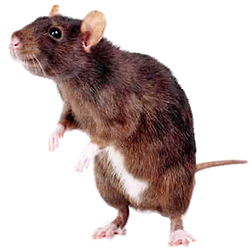
- Rats – Highly intelligent and interactive pets.
Overview of Care and Enrichment
Creating the Perfect Habitat
Pet rodents thrive in environments that mimic their natural habitats while providing safety and enrichment. Here’s what to consider when setting up their living space
- Cage Size and Design: Larger enclosures encourage natural behaviors like burrowing, climbing, and running. For example, a chinchilla needs a multi-level cage with ramps and platforms, while a gerbil prefers a deep tank for digging.
- Substrate and Bedding: Use rodent-safe materials like aspen shavings, paper-based bedding, or coconut fiber. Avoid cedar or pine, as these can harm their respiratory systems.
- Hideouts and Enrichment: Offer tunnels, hammocks, chew toys, and wheels to keep your pet active and engaged.
- Temperature and Humidity: Maintain appropriate conditions for each species. For instance, chinchillas require a cool, dry environment to prevent overheating.
Pro Tip Rotate toys and rearrange the enclosure regularly to prevent boredom and encourage exploration.
Rodent Diet and Nutrition
A balanced diet is crucial for your pet’s health and longevity. While specific needs vary by species, here are general guidelines
- Pellets or Blocks: High-quality rodent pellets provide essential nutrients and help maintain dental health.
- Fresh Vegetables and Fruits: Supplement their diet with safe options like carrots, apples, and leafy greens. Avoid sugary fruits for species prone to diabetes, like degus.
- Protein Sources: Offer occasional treats like mealworms or boiled eggs for omnivorous species.
- Hay: Essential for guinea pigs and chinchillas to support digestion and dental wear.
Quick Fact: Did you know that guinea pigs cannot produce vitamin C? They require daily supplementation through diet or drops.
Health and Wellness
Regular check-ups and proper hygiene are key to keeping your rodent happy and healthy. Here are some tips
- Daily Observations: Monitor for changes in appetite, weight, or behavior.
- Grooming: Some rodents, like long-haired guinea pigs, need regular brushing, while others are self-cleaning.
- Dental Care: Rodent teeth grow continuously, so provide chew toys to prevent overgrowth.
- Veterinary Care: Establish a relationship with an exotic pet veterinarian for routine check-ups and emergencies.
Curiosity Corner: Prairie dogs are known for their intricate “kissing” behavior to identify members of their group. Observing this can help you recognize their social dynamics and health status.
Bonding and Socialization
Building trust with your pet rodent takes patience and consistency. Here’s how to foster a strong bond
- Start Slow: Allow your pet to acclimate to their new environment before handling.
- Use Treats: Offer small treats during interactions to build positive associations.
- Create Routine: Handle your rodent daily to establish familiarity and trust.
Interactive Activity: Try a “rodent obstacle course” with tunnels and climbing structures to engage their natural curiosity and strengthen your bond.
Categories of Pet Rodents on American Breeder
Ah, so you’re looking to adopt one of my fascinating cousins? Let me introduce you to some of the coolest rodents on our site. Trust me, we’re not all about cheese and tunnels—you’ll be amazed!"
Exotic Rodent Pets
- Coatimundi
Wait, you didn’t know coatimundis were part of our extended family? Well, technically, they’re not rodents, but they do have rodent-level charm. Curious, clever, and full of energy, these critters are not for the faint of heart. They’ll turn your home into a jungle gym!" - Degus
Degus are like the gourmet food critics of the rodent world. Get their diet wrong, and you’ll hear about it in squeaks. Lucky for you, the 'Degu Diet Essentials' guide has you covered!" - Flying Squirrel
Did you know flying squirrels can glide like tiny, furry superheroes? Spoiler alert They’re as mischievous as they are cute. Make sure their setup includes plenty of room to soar!" - Kangaroo Rat
These little hoppers bring a slice of the desert to your living room. Just don’t expect them to share their stash—they’re professional seed hoarders." - Prairie Dogs
Prairie dogs may look cuddly, but they’re the gossip queens of the animal kingdom. They love a good chat—and a spacious enclosure to call home."
Gerbils: A World of Tiny Explorers
Oh, gerbils! My pint-sized cousins with big hearts and even bigger personalities. Let me give you a grand tour of their adorable quirks. Trust me, you’ll want one of these little diggers in your life after this!"
Mongolian Gerbil
The Mongolian gerbil is the OG of the gerbil world—think of them as the adventurers who put gerbils on the map! Originating from the sandy plains of Mongolia, these energetic critters are natural diggers, burrowers, and social butterflies. If you’re setting up their home, think tunnels, cozy bedding, and plenty of toys to keep those curious noses busy. Oh, and they’ll appreciate a roomy wheel—because cardio is life for these little ones."
Fat-Tailed Gerbil
Ah, the Fat-Tailed Gerbil—a gerbil with a built-in snack pack! Their cute, chubby tails are a marvel of nature, storing nutrients for when food is scarce. That doesn’t mean they should skip dinner, though. A well-balanced diet of grains, seeds, and the occasional veggie treat keeps them happy and healthy. Just remember, they’re nibblers, not gourmands, so don’t overdo it on the portions."
Shaw’s Jird
Meet Shaw’s Jird, the big cousin of the gerbil family. These majestic little furballs hail from the Middle East and love to stretch their legs. Think of their habitat as a luxury villa, complete with a spacious enclosure, hidey-holes, and climbing structures. Pro tip They’re also expert diggers, so a nice, deep layer of sand or soil will make them feel right at home. It’s like their version of a spa day!"
North African Gerbil
The North African Gerbil is the sleek and sophisticated member of the clan. They’re a bit more reserved but just as charming. These desert dwellers are happiest with a simple yet enriching environment—think natural materials like sand, rocks, and wooden chew toys. And don’t forget hydration! They may not need much, but a fresh water supply is a must for keeping these little desert dynamos in top shape."
Guinean Gerbil
The Guinean Gerbil is like the socialite of the gerbil world. They’re inquisitive, playful, and always up for a little adventure. Their behavior is fascinating—watch them build intricate tunnels, communicate with subtle squeaks, and interact with their humans. These little charmers thrive on gentle handling and consistent attention, so be ready to earn their trust. With patience, you’ll have a loyal companion for life!"
So, which of my fabulous gerbil cousins has stolen your heart? Honestly, I wouldn’t blame you if it’s all of them. They’re hard to resist, aren’t they?"
Guinea Pigs: The Cuddlebugs of the Rodent World
Ah, guinea pigs—my fluffier, chubbier cousins who somehow manage to steal the show with their endless squeaks and adorable antics. If you’re looking for a pet that’s equal parts charming and cuddly, you’ve hit the jackpot. Let me introduce you to the snuggle champions of the rodent world!"
Short-Haired Breeds
Short-haired guinea pigs are the low-maintenance sweethearts of the guinea pig world. They’re easy to groom and perfect for first-time owners. Think of them as the goldfish of rodents—just a little less aquatic and a whole lot cuddlier. These guys are smooth, sleek, and always ready to charm you with their wide-eyed innocence!"
Long-Haired Breeds
Long-haired guinea pigs are like the divas of the rodent stage—think Rapunzel but fluffier. They need a little extra grooming to keep those luscious locks tangle-free, but the payoff is worth it. Their coats can be styled, braided, or simply admired as they strut their stuff. Bonus brushing them is a great bonding activity, and they’ll love the attention!"
Hairless Breeds
Don’t let their lack of fur fool you—hairless guinea pigs have plenty of personality to make up for it. They might look a bit like tiny, squeaky hippos, but these unique little guys are warm to the touch and love to cuddle. Just make sure to keep them cozy, as they feel the chill more than their furry cousins. Sweaters for guinea pigs? Absolutely a thing!"
Rough-Coated Breeds
If you’re after a guinea pig with a bit of rugged charm, rough-coated breeds are the way to go. With their tousled fur and scruffy good looks, they seem like they’ve just returned from a grand rodent adventure. These cuties are full of character and as snuggly as their smoother siblings."
Coloration-Based Breeds
Guinea pigs come in a rainbow of colors and patterns, from solid shades to tricolors, roans, and even dalmatian-like spots. Each one is a masterpiece of nature! Coloration-based breeds let you pick a guinea pig that matches your style—or just melts your heart with their one-of-a-kind markings."
Why Guinea Pigs Are the Cuddlebugs of the Rodent World
Let’s face it—guinea pigs have mastered the art of snuggling. These gentle, sociable creatures form strong bonds with their humans and each other. Whether they’re wheeking excitedly when you walk into the room, settling into your lap for a cozy cuddle, or munching on their favorite veggies while gazing at you with those soulful eyes, they’re experts at making you feel loved. Plus, they’re big enough to hold but small enough to fit into your heart—and your home."
So, whether you’re drawn to silky coats, scruffy fur, or bald and beautiful charm, there’s a guinea pig for everyone. Ready to bring a little squeaky joy into your life?"
Hamsters: Tiny, Adorable Companions
Hamsters—those pint-sized dynamos with cheek pouches that could rival a magician’s hat! They may be small, but they’re bursting with personality and charm. Let me show you why these delightful critters are a favorite in the rodent family tree."
Syrian Hamsters ("Syrian Hamster Color Varieties")
The Syrian hamster, also known as the golden hamster, is the heavyweight of the hamster world. Okay, maybe not literally, but they are the largest and most independent of the hamster crew. With coat colors ranging from classic golden to cinnamon, cream, and even sable, these hamsters are like living works of art. Bonus they’re the perfect choice for solo adventurers since they prefer their own space—no roommate drama here!"
Campbell’s Dwarf Hamsters
Campbell’s Dwarf hamsters might be small, but their appetites are mighty. They thrive on a balanced diet of high-quality pellets, seeds, and the occasional veggie treat. These little ones are also known for their playful nature and love for running in wheels, so make sure they’ve got plenty of energy-packed snacks to fuel their adventures!"
Winter White Dwarf Hamsters
Winter White Dwarf hamsters are the seasonal chameleons of the rodent kingdom. In colder months, their fur can lighten, giving them a frosty winter look. But don’t worry—they don’t actually need a parka. These sweet-tempered hamsters are social (for rodents, anyway) and love a snug, enriching habitat. Just remember, handling them gently and often helps build trust—they’re tiny but mighty when it comes to forming bonds."
Other Varieties
Oh, let’s not forget the other superstar hamsters out there! Roborovski hamsters, the smallest and fastest of the bunch, are like tiny furry ninjas—blink, and you might miss them. Then there are Chinese hamsters, with their mouse-like tails and shy yet curious nature. No matter the variety, each hamster has its own unique quirks that’ll keep you smiling. The trick is finding the one that matches your style—speedy, snuggly, or somewhere in between."
Why Hamsters Steal Hearts
Whether you’re a night owl or an early bird, hamsters make the perfect companions. They’re nocturnal, meaning they’ll be running marathons on their wheels while you sleep, but they’ll happily wake up for treats and cuddles. Plus, their adorable cheek-stuffing antics never get old. If you’re looking for a pet that’s compact, low-maintenance, and endlessly entertaining, hamsters might just be your new best friend."
So, which hamster fits your vibe? Solo Syrian? Speedy Robo? Chameleonic Winter White? Trust me, you can’t go wrong with any of them!"
Mice and Rats: The Unsung Heroes of the Rodent World
Mice and rats—my smart, speedy, and surprisingly cuddly cousins. These little critters don’t always get the credit they deserve, but let me tell you, they’re some of the most lovable pets out there. Whether you’re after pint-sized curiosity or big-brained charm, they’ve got you covered."
Mice - A Pet Mouse Care Guide
Let’s start with mice, the pocket-sized adventurers of the rodent kingdom. These tiny explorers love to scurry, climb, and investigate their surroundings, so a well-designed habitat is key to keeping them happy. Think multi-level cages with tunnels, exercise wheels, and hidey-holes—it’s like a rodent amusement park!
Mice are also surprisingly social, so consider adopting a pair or small group to keep them company. And don’t forget they thrive on routine and gentle handling. Treat them with patience, and they’ll reward you with tiny squeaks of joy."
Rats - Fancy Rat Training Tips
Now let’s talk about rats—the geniuses of the rodent family. Fancy rats, as they’re affectionately called, are highly intelligent and incredibly trainable. Seriously, they’ll outsmart you if you’re not careful! From learning tricks like spinning in circles to coming when called, these furry Einsteins love a challenge.
But rats aren’t just brainy—they’re also affectionate and social. They’ll form deep bonds with their humans, often curling up on your shoulder or in your lap for a good snuggle. And don’t let their size fool you—they’re agile, playful, and always up for an adventure."
Why Mice and Rats Make Amazing Pets
Here’s the deal mice and rats may be small, but they’ve got big personalities. Mice bring endless energy and curiosity, while rats combine loyalty with intelligence that rivals a dog’s. They’re perfect for anyone looking for a pet that’s both low-maintenance and endlessly entertaining. Plus, their compact size means they fit into just about any home—or heart!"
So, are you ready to welcome one of my clever cousins into your life? Whether it’s a mouse with a flair for fun or a rat with a knack for tricks, I guarantee they’ll bring a little extra joy to your day!"
Research and Preparation
Thinking about bringing a rodent into your life? Bravo! But before you start imagining a tiny circus troupe in your living room, let’s talk about what it really takes to care for one of us. Don’t worry—I’ll make this fun and informative, like a TED Talk, but squeakier!"
Understanding the Commitment
Caring for a rodent isn’t just about offering food and a cozy spot to snooze. It’s about understanding their unique needs, habits, and, yes, quirks. Let’s break it down so you’re ready to be the ultimate rodent parent.
Lifespan of Pet Rodents - Lifespan and Daily Care Requirements
First things first—how long are we sticking around? Well, it depends on which of my cousins you adopt. Hamsters and mice are sprinters in the lifespan race, living about 2–3 years. Guinea pigs and chinchillas, on the other hand, are marathoners, clocking in at 5–10 years or even more.
Daily care includes feeding, cleaning, and, of course, playtime! Whether it’s refilling a water bottle, ensuring fresh bedding, or simply offering a treat, your rodent will thrive on consistency. Think of it as a rewarding routine, like yoga but with more nibbling involved."
How Much Space Do Rodents Need? Time, Space, and Financial Considerations
You might think we rodents don’t take up much room, but let me tell you—size matters! Even the smallest of us need space to roam, climb, and burrow. For example, a Syrian hamster requires a cage no smaller than 450 square inches of floor space, while guinea pigs need an enclosure large enough to stretch out and run laps (or at least waddle quickly).
Financially, we’re not high-rollers, but there are upfront costs for a good cage, bedding, food, and toys, plus occasional vet visits. Budgeting ahead ensures you can spoil us guilt-free!"
Myth-Busting “Do All Rodents Love Cheese?”
Ah, the cheese myth. Thanks, cartoons. While a nibble of cheese won’t hurt most of us, it’s not exactly our dream snack. In fact, many rodents prefer fresh fruits, veggies, and seeds. Imagine offering a slice of apple to a mouse or a sprig of parsley to a guinea pig—now that’s true rodent fine dining! So next time you see us eyeing your cheese platter, it’s probably curiosity, not a craving."
Thoughts on Commitment
Bringing one of us into your life is like starting a tiny, adorable friendship that’s full of squeaks, snuggles, and a little mischief. But it’s also a commitment—a daily promise to care for, love, and understand your furry companion. Trust me, the rewards are worth every moment!"
Choosing the Right Pet Rodent
Picking the perfect rodent pal is like choosing a best friend—you want someone who fits your vibe, whether you’re a Netflix binger or a backyard explorer. Let’s dive into what it takes to find your rodent soulmate!"
How to Choose a Pet Rodent - Matching Species to Lifestyle
Are you a night owl who loves to stay up late? Meet hamsters, the nocturnal gym rats of the rodent world. More of a laid-back lounger? Guinea pigs, with their chill vibes and love of cuddles, might be your perfect match. Got energy to spare? Consider an active and playful rat or degu that will keep you entertained with their antics.
Think about your daily routine, available space, and how much interaction you want. Whether you’re a homebody or an adventurer, there’s a rodent out there who’s ready to vibe with your lifestyle."
Best Pet Rodents for Kids - Temperament, Activity Level, and Care Needs
If you’re looking for a rodent to join a family with kids, it’s all about temperament and care needs. Guinea pigs are super kid-friendly—they’re gentle, easy to handle, and love lap time. Rats are another great choice, thanks to their intelligence and playful nature.
Hamsters, while cute, can be a bit more independent and might not love constant handling. If you’re introducing a rodent to young children, make sure they’re supervised and taught how to handle their furry friend gently—no tail-pulling allowed!"
Rodents Compatible with Dogs or Cats - Compatibility with Children or Other Pets
Rodents and larger pets can coexist, but it takes planning. If you have a curious dog or cat, make sure your rodent’s enclosure is secure and out of reach of prying paws. Guinea pigs and rabbits tend to do well in homes with calm dogs, while hamsters and mice might prefer a more secluded setup.
It’s all about introductions—keep interactions supervised and gradual. And remember, we rodents are prey animals by nature, so a peaceful cohabitation depends on how chill your other pets are."
Interactive Quiz "Which Rodent Matches Your Lifestyle?"
Okay, pop quiz time! Not the stressful kind, I promise. Imagine an interactive tool that asks about your schedule, activity level, space, and preferences, then matches you to your ideal rodent buddy. Are you a night owl? Maybe a hamster is your new BFF. Love cuddles? A guinea pig could be your soulmate. Crave clever antics? Rats are calling your name.
This quiz is the ultimate way to figure out who’s going to steal your heart—and your veggie snacks!"
Finding Your Perfect Match
Remember, choosing the right rodent is about more than looks or size—it’s about finding a companion whose needs match your lifestyle. With a little research (and maybe a quiz for fun), you’ll have a furry friend who fits right into your home and heart."
Where to Buy Pet Rodents
So, you’ve decided to bring a little rodent magic into your life—congrats! But before you rush off to find your new furry friend, let’s chat about where to look. Trust me, this part is important. After all, you want a healthy, happy buddy to squeak along with for years to come!"
Selecting Reputable Breeders - Reputable Rodent Breeders Near Me
Not all breeders are created equal, and finding a reputable one is key to starting your rodent journey on the right paw. A good breeder prioritizes the health, well-being, and temperament of their animals. Here’s what to look for
- Transparency Reputable breeders are open about their practices and happy to answer questions about their rodents’ care and lineage.
- Healthy Environment The breeding area should be clean, spacious, and designed to meet the rodents’ needs. No overcrowding, no funky smells—just happy critters!
- Knowledgeable Breeders They should know everything about the species they’re breeding, from dietary needs to quirks in personality. If they’re excited to share tips, that’s a great sign."
Pro tip: Look for reviews or recommendations from other rodent enthusiasts. Word of mouth can be your best guide!"
Avoiding Unethical Rodent Breeders Practices
Unfortunately, not everyone has rodents’ best interests at heart. Unethical breeders prioritize profit over animal welfare, which often leads to sick or poorly socialized pets. Here’s how to steer clear
- Avoid 'Rodent Mills' These are high-volume breeding operations where animals are treated like commodities rather than living beings.
- Steer Clear of Suspicious Deals: If the price seems too good to be true or the seller pressures you to buy quickly, walk away.
- Lack of Knowledge: A breeder who can’t answer basic questions about their rodents’ care or background? That’s a major red flag."
Remember, supporting ethical breeders means supporting happy, healthy rodents—and who wouldn’t want that?"
Red Flags When Purchasing Rodents - Red Flags When Buying Rodents
You’ve found a potential seller and are ready to meet your new furry friend—but wait! Keep an eye out for these red flags before committing
- Signs of Poor Health: Dull eyes, patchy fur, or lethargy are indicators something’s not right. Healthy rodents should be alert, curious, and active.
- Dirty or Overcrowded Enclosures: If the living conditions look more like a horror movie than a cozy home, it’s time to walk away.
- No Interaction: A well-cared-for rodent should show signs of socialization. If they seem terrified of human contact, they may not have been handled properly.
- No Questions Asked: If the seller doesn’t ask about your experience or how you plan to care for the animal, they might not care where their rodents end up."
Finding the Right Source
Whether you’re buying from a breeder, a rescue, or a pet store, take your time to find a source you trust. Your new rodent friend is depending on you to make the best choice for their future—and I know you’ve got this!
Oh, and don’t forget to ask for care tips before you leave. A good breeder or seller will love sharing their knowledge—it’s part of the fun!"
Pet Rodent Biology and Behavior
Alright, folks, time to get a little nerdy—in a fun way, of course! Let’s dive into what makes us rodents so fascinating. From our superpowers to our quirky traits, there’s more to us than meets the eye. Trust me, we’re more than just cute noses and twitchy whiskers!"
General Characteristics of Pet Rodents
Why Are Rodents Good Pets? - Anatomy and Unique Traits
What makes rodents such awesome pets? For starters, we’ve got the perfect mix of cuteness and adaptability. Let me break it down for you
- Teeth That Never Stop Growing Yep, our incisors are basically the Energizer Bunny of teeth. This means we need plenty of things to chew on to keep them in check. It’s like having a built-in excuse to snack all day—don’t you wish you could say the same?
- Compact and Low-Maintenance Our small size means we don’t need a mansion to thrive. A well-organized cage with fun accessories is all it takes to keep us happy.
- Big Personalities in Tiny Packages Whether we’re climbing, burrowing, or just staring at you with those big, soulful eyes, we’re full of life and charm. Plus, we’re quick learners, making us a joy to interact with."
In short, we’re like the Swiss Army knife of pets—versatile, entertaining, and totally lovable!"
Sensory Capabilities Vision, Smell, Hearing
Okay, here’s where things get cool. Did you know rodents have sensory abilities that would put most superheroes to shame?
- Vision While our eyesight isn’t exactly eagle-level, it gets the job done—especially in low light. Some of us can even see ultraviolet light (how’s that for a party trick?).
- Smell Our noses are like tiny radar systems. We rely on our sense of smell to navigate, find food, and recognize friends (and foes). If you’re wearing a snack-flavored lotion, we’ll definitely notice!
- Hearing Ever wonder why we twitch our ears so much? Our hearing is super-sensitive, especially to high-pitched sounds. It’s how we stay alert and aware—because you never know when a treat bag might rustle!"
In short, we’re sensory wizards who use every tool in our biological toolbox to explore the world—and maybe charm a human or two along the way."
Why Understanding Biology Matters
Learning about our unique traits and senses isn’t just fascinating—it helps you care for us better. When you know how we see, hear, and smell the world, you can create an environment where we feel safe, happy, and loved. Plus, you’ll have plenty of fun facts to share with your friends!"
Behavior by Category
Now we’re getting to the good stuff—how we act! Every rodent species has its own quirks and habits, and understanding them is the key to being the best rodent parent ever. Ready for a crash course in rodent behavior? Let’s go!"
Exotic Rodents Nocturnal vs. Diurnal Habits
One of the first things you’ll notice about exotic rodents is their sleep schedule. Are they night owls or early risers?
- Nocturnal Rodents Think chinchillas and flying squirrels. These critters are most active at night, so you might hear some scurrying while you sleep. If you’re a night owl yourself, these pets can be great companions for late-night Netflix binges.
- Diurnal Rodents Guinea pigs and prairie dogs, for example, are active during the day. They’re perfect for families who want to interact with their pets during waking hours.
Pro Tip: Be sure to match your rodent’s schedule with your lifestyle. After all, no one likes a roommate who keeps them up all night!"
Gerbils Burrowing and Digging Instincts
Gerbils are the architects of the rodent world. Their natural instinct to burrow means they’re happiest with plenty of bedding to dig into. Give them tunnels, hideouts, and lots of space to excavate, and they’ll create masterpieces that would make even humans jealous.
Fun Fact: Gerbils use their digging not just for fun but as a way to feel safe. So, when you see your gerbil happily burrowing away, you know they’re living their best life."
Guinea Pigs Vocalizations and Group Dynamics
Guinea pigs are the chatterboxes of the rodent family. From high-pitched squeals when they’re excited to low purrs when they’re content, these little guys are all about communication.
They’re also incredibly social, thriving in groups or pairs. A single guinea pig might get lonely, so it’s always a good idea to adopt at least two. Watching their group dynamics is like having your own rodent soap opera—but way cuter."
Hamsters Territorial Behavior and Handling Tips
Hamsters may be small, but they’ve got big personalities—and they can be a little feisty when it comes to their space. Syrians, for instance, are solitary creatures who prefer their own territory, while dwarf hamsters are more open to sharing.
When it comes to handling, patience is key. Start slow and let them get used to your scent. Treats are your best ally—because who doesn’t love a bribe? Once they trust you, hamsters can be surprisingly affectionate little buddies."
Mice and Rats Intelligence and Trainability
Mice and rats are the brainiacs of the rodent world. Rats, especially, are known for their smarts and can learn tricks like running mazes, coming when called, and even playing fetch. Yep, fetch!
Mice are a bit more independent but no less fascinating. They’re quick learners and incredibly curious, making them a joy to watch as they explore their environment.
Training Tip: Use positive reinforcement—like treats or gentle pats—to teach your rodent new tricks. Rats, in particular, love a mental challenge, so puzzle feeders and interactive toys are a big win."
Why Understanding Behavior Matters
Every rodent has its own unique personality, shaped by their natural instincts and quirks. By learning what makes them tick, you can build a stronger bond and provide an environment where they feel truly at home. Plus, it’s just plain fun to see how they act when they’re happy and comfortable!"
Enrichment Needs
Let’s face it—nobody likes being bored, especially us rodents. We’re clever little critters with natural instincts that need to be exercised. Give us the right setup, and we’ll reward you with hours of squeaky fun! Let’s dive into how to make our lives as enriching as possible."
Rodent Cage Enrichment Ideas - Stimulating Natural Behaviors
Ever watched a hamster furiously dig, a mouse climb like it’s auditioning for a circus, or a rat solve puzzles like a tiny Einstein? That’s us engaging in our natural behaviors. Here’s how you can bring out our best
- Burrowing Fun: Provide deep bedding for diggers like gerbils and hamsters. Layers of shredded paper or aspen shavings make for an ideal rodent playground.
- Climbing Challenges: Add vertical space for climbers like rats and mice. Ropes, ladders, and shelves turn our cages into adventure zones.
- Chewing Essentials: Chewing is a must for keeping our teeth in check. Wooden chew toys, untreated branches, or even cardboard tubes keep our jaws busy and healthy."
Think of it as creating a rodent-sized theme park—fun, safe, and packed with excitement!"
Great Tips for Rodent Wheels - Toys, Tunnels, and Exercise Equipment
Let’s talk toys! We rodents are like toddlers—we need things to keep our little minds engaged and our bodies active.
- Wheels: The right wheel can turn a hamster or mouse into a marathon runner! Just make sure it’s solid (no wire gaps to catch toes) and appropriately sized to prevent back strain. Syrian hamsters need at least an 8-inch wheel, while smaller species can go for 6-7 inches.
- Tunnels: Tubes and tunnels make excellent hiding spots and pathways. From plastic to cardboard, the possibilities are endless. Pro tip Connect multiple tunnels for an epic rodent maze!
- Interactive Toys: Puzzle feeders and foraging toys are great for stimulating our minds. Bonus points if treats are involved—it’s like solving a delicious mystery."
And don’t forget, we love variety! Switch out toys every now and then to keep things fresh and exciting."
DIY Enrichment Homemade Tunnels and Chew Toys
Feeling crafty? Making enrichment toys at home is easy, fun, and budget-friendly. Plus, we love the personal touch! Here are a few ideas
- DIY Tunnels: Use cardboard tubes (like the ones from paper towel rolls) to create custom tunnels. Tape a few together to make a sprawling network, or cut holes in a shoebox to turn it into a rodent hideout.
- Chew Toys: Grab some untreated wood (think popsicle sticks or natural branches) and craft simple chewable toys. You can even tie them together to make a hanging mobile.
- Foraging Boxes: Fill a small box with shredded paper and hide treats inside. It’s like a treasure hunt, rodent-style!"
Not only will your furry friend love these DIY creations, but you’ll also enjoy the process of building something special just for them!"
Why Enrichment is Essential
When we’re happy and stimulated, we’re healthier—both mentally and physically. Enrichment is about more than just entertainment; it helps us stay active, prevents boredom, and builds trust with our humans. So, go ahead and spoil us—we promise we’re worth it!"
Setting Up a Pet Rodent Enclosure
Welcome to the ultimate rodent real estate guide! Whether your new pal is a burrowing gerbil or a climbing rat, the right enclosure makes all the difference. Let’s make sure your furry friend moves into the penthouse of their dreams—fully equipped with all the rodent must-haves!"
General Requirements for All Pet Rodents
Best Cages for Pet Rodents - Cage Size and Design
Size matters, folks! A good rule of thumb is that bigger is always better when it comes to cages. Every rodent needs enough space to play, sleep, and stretch their little legs.
- Hamsters: Syrian hamsters need at least 450 square inches of floor space, while dwarf hamsters can manage with slightly less—but they’ll always appreciate more room to explore.
- Gerbils: A 20-gallon tank or equivalent is ideal, especially when it’s equipped with plenty of bedding for digging.
- Rats: Think multi-level cages with plenty of vertical space for climbing and playing.
- Guinea Pigs: These social butterflies need at least 7.5 square feet for one or two pigs, with an additional 2-3 square feet for each extra pig.
Pro tip: Choose a cage that’s easy to clean and provides good visibility. We love seeing you as much as you love watching us!"
Ventilation and Safety Considerations
You know how humans need fresh air to feel their best? So do we! Proper ventilation keeps our enclosures smelling fresh and prevents health issues like respiratory problems.
- Wire Cages: Great for ventilation but make sure the gaps aren’t too wide, especially for smaller rodents.
- Tanks and Glass Enclosures: Perfect for burrowing species like gerbils but be sure to use a well-ventilated lid to allow air circulation.
- Safety First: Avoid cages with sharp edges, loose wires, or materials that can splinter. And no plastic cages for chewers—we’ll escape faster than Houdini!"
How to Clean a Rodent Cage - Cleaning and Maintenance
No one likes a dirty house, least of all us rodents. Regular cleaning keeps us healthy and happy. Here’s a step-by-step guide to sparkling up our space
- Daily Tasks: Remove uneaten food and spot-clean any soiled bedding or areas.
- Weekly Deep Clean
- Transfer us to a safe, temporary enclosure.
- Remove all bedding, toys, and accessories.
- Wash the cage and accessories with warm, soapy water (make sure it’s pet-safe).
- Rinse thoroughly and let everything dry completely before adding fresh bedding and setting it all back up.
And don’t forget to reward us with a treat after the ordeal. It’s hard work supervising all that cleaning!"
Why the Right Setup Matters
Your rodent’s enclosure isn’t just a cage—it’s their home, gym, playground, and cozy retreat all rolled into one. By focusing on size, safety, and cleanliness, you’re creating a space where they can thrive. Trust me, a happy rodent means a happy human!"
Specific Enclosure Requirements by Category
Alright, now that we’ve covered the basics, let’s get into the nitty-gritty details for each rodent species. After all, one rodent’s dream home might be another’s worst nightmare. Let’s make sure your little buddy gets exactly what they need!"
Chinchilla Cage Temperature Control - Exotic Rodents Temperature, Humidity, and Lighting Needs
Exotic rodents like chinchillas, flying squirrels, and degus have specific needs that go beyond the basics. For instance
- Temperature Chinchillas are heat-sensitive and thrive in cooler temperatures between 60–70°F. A room that’s too warm can lead to heat stress, so keep their space well-ventilated and consider a cooling stone or pad during hot months.
- Humidity Avoid high humidity, as it can cause respiratory problems for many exotic rodents. A dehumidifier might be your new best friend.
- Lighting Mimic natural light cycles for these critters. A well-lit room during the day and dim or no light at night works wonders for their rhythm."
Think of it as setting up a luxury spa—perfect climate, perfect lighting, perfect vibes!"
Gerbils Burrowing Substrate and Habitat Tiers
Gerbils are natural diggers, so their enclosure needs to feel like a mini desert oasis. Here’s how to make it happen
- Substrate: Provide at least 6–8 inches of a burrowing-friendly material like aspen shavings, coconut coir, or shredded paper. They’ll dig tunnels and burrows that rival the best architects.
- Tiers: A tank-style enclosure with multiple levels allows them to climb, explore, and burrow all in one space. Add ramps and platforms for extra fun.
- Enrichment: Include chewable hideouts and natural wood branches—they’ll turn them into masterpieces (or confetti)."
Your gerbil will thank you with some very impressive burrows—and maybe a cheeky nose wiggle."
Guinea Pig Enclosure Size Requirements - Spacious Pens with Hiding Spots
Guinea pigs are social butterflies, but they also need their own space to relax. Here’s what they’re looking for in a dream home
- Size Matters: A single guinea pig needs at least 7.5 square feet of space, but a pair or small group will thrive in 10+ square feet. Bigger is always better!
- Hiding Spots: Provide plenty of hideouts like igloos, wooden houses, or even soft fleece tunnels. They love a safe spot to snooze or retreat when they need a break.
- Bedding: Use soft, absorbent bedding like fleece liners or paper-based options. Keep it clean and cozy—your guinea pigs will approve."
Think of it as a guinea pig palace spacious, comfy, and filled with nooks to explore!"
DIY Hamster Cage Ideas: Hamsters Wheel Size, Tunnels, and Multi-Level Cages
Hamsters may be small, but their needs are anything but. A well-designed cage makes all the difference for these active little guys.
- Wheels: Choose a solid wheel that’s at least 8 inches for Syrians and 6 inches for dwarf hamsters. Avoid wire wheels—they’re bad news for tiny feet and tails.
- Tunnels: Provide an array of tunnels, tubes, and burrows to mimic their natural environment. PVC pipes or DIY cardboard creations work great!
- Multi-Level Fun: Hamsters love to climb, so adding ramps, platforms, and levels keeps them entertained. Just make sure there are no high drops—hamsters aren’t great at parkour."
Whether you go for store-bought or DIY, your hamster’s home should be the ultimate playground!"
Rat Cage Enrichment Ideas - Mice and Rats Vertical vs. Horizontal Space Preferences
Mice and rats have different space preferences, but both thrive in thoughtfully designed environments
- Mice: These tiny explorers prefer horizontal space with plenty of room to scurry and hide. Fill their enclosure with small tunnels, hammocks, and chew toys.
- Rats: Big and brainy, rats need vertical space to climb and explore. Look for cages with multiple levels, ropes, and climbing structures.
- Enrichment: Add puzzle feeders, hammocks, and even foraging boxes to stimulate their curious minds."
For mice, think cozy and compact. For rats, think lofty and engaging. Either way, they’ll love you for it!"
Creating a Happy Home
Remember, each rodent species is unique, and their enclosures should reflect that. By tailoring their space to their natural habits and preferences, you’re not just giving them a home—you’re giving them a sanctuary. And trust me, they’ll repay you with plenty of squeaks, wiggles, and nose boops."
Accessories and Décor
Alright, time to talk interior design—rodent style! Accessories and décor aren’t just for looks (though we do love a stylish setup). They play a crucial role in keeping us comfy, entertained, and healthy. Let’s deck out that enclosure with everything a rodent could dream of!"
Hides, Nesting Materials, and Bedding Options
Every rodent needs a cozy retreat to call their own. We’re big fans of snuggly, secure spaces, so let’s start with the basics
- Hides Choose a variety of hiding spots, like wooden houses, igloos, or even DIY cardboard boxes. These give us a safe space to relax and recharge—because who doesn’t love a little privacy?
- Nesting Materials Soft materials like shredded paper, hay, or fleece strips make perfect nesting materials. We love building our own beds, so give us options and watch the magic happen.
- Bedding The right bedding depends on the species
- Hamsters and gerbils thrive on aspen shavings or paper-based bedding.
- Guinea pigs love fleece liners or paper bedding for softness and absorbency.
- Avoid cedar and pine shavings—they can irritate our sensitive respiratory systems."
Think of it as our version of a cozy blanket fort—only we build it ourselves!"
Water Bottles vs. Bowls
Staying hydrated is key, but how we drink matters. Here’s the lowdown
- Water Bottles These are the go-to for most rodents. They keep water clean and prevent spills—perfect for those of us who love to dig or knock things over (you know who you are, gerbils!).
- Bowls While less common, bowls can work for guinea pigs and other rodents who prefer sipping over slurping. Just make sure the bowl is heavy enough to avoid tipping and cleaned frequently to keep it hygienic.
Pro tip Check our water supply daily. We can’t exactly knock on the cage and ask for a refill!"
Chew Toys and Teeth Maintenance
Our teeth never stop growing, so keeping them in check is a full-time job. That’s where chew toys come in!
- Wooden Chews Natural, untreated wood is a classic choice. Bonus points if it’s shaped like a carrot or heart—we love a bit of flair!
- Mineral Blocks These serve double duty by satisfying our chewing instincts and providing essential minerals.
- DIY Options Cardboard tubes, dried apple branches, or even coconut shells make great chew toys. Just make sure they’re rodent-safe and pesticide-free.
Chewing isn’t just fun for us—it’s how we keep our teeth healthy. Without proper toys, our teeth can grow too long, which isn’t just uncomfortable—it’s downright dangerous."
Accessorizing for Happiness
Think of our cage as a tiny palace and yourself as our royal decorator. The right accessories don’t just make our space look great—they keep us healthy, happy, and engaged. And hey, a happy rodent means lots of squeaky love for you!"
Feeding Your Pet Rodents
Now we’re talking about the best part of life—food! Whether it’s nibbling on seeds, crunching on veggies, or enjoying the occasional treat, we rodents take our dining seriously. Let’s make sure your little buddy gets the gourmet treatment they deserve!"
General Feeding Guidelines
Best Diet for Pet Rodents: Nutritional Basics Proteins, Fats, and Carbohydrates
Rodents may be small, but our dietary needs are mighty! A balanced diet keeps us energetic, healthy, and ready for all kinds of rodent mischief. Here’s the scoop on what we need
- Proteins Essential for muscle and tissue development, proteins are a key part of any rodent’s diet. Look for high-quality pellets or blocks designed specifically for your species. Some rodents, like rats, benefit from occasional protein boosts like cooked eggs or lean meat.
- Fats While we don’t need a lot of fat, a small amount helps with energy and coat health. Seeds and nuts (in moderation) are a tasty and nutritious source.
- Carbohydrates These are our primary energy source, so grains, oats, and whole wheat are a staple in most rodent diets. Just avoid sugary or processed options—they’re not good for us, no matter how much we beg!"
Pro tip Check the labels on pellet food to ensure the right balance of nutrients. We’re counting on you to be our personal dietitian!"
Fresh Foods Safe for Rodents - Importance of Fresh Water and Food Variety
A healthy rodent is a hydrated rodent. Fresh water should always be available, and don’t forget to clean water bottles or bowls regularly to keep them fresh and germ-free.
Now, let’s talk food variety. While pellets or blocks make a great dietary base, we also love fresh foods. Here are some safe and delicious options
- Fruits: Apples (no seeds), bananas, and berries are sweet treats we adore.
- Vegetables: Carrots, cucumbers, kale, and bell peppers are rodent-approved favorites.
- Grains and Seeds: Oats, millet, and sunflower seeds (in moderation) add variety and fun to mealtime.
Foods to avoid? Anything salty, sugary, or spicy. And steer clear of toxic foods like chocolate, onions, garlic, and citrus for some species."
Fresh food isn’t just a treat—it’s a chance for us to show off our adorable nibbling skills!"
Why Feeding Right Matters
A balanced diet does more than fill our bellies—it supports shiny coats, bright eyes, and happy, energetic behavior. Plus, let’s be honest, watching us munch on a tiny carrot is one of life’s greatest joys. Take the time to learn what your specific rodent needs, and you’ll be rewarded with a healthy and content companion!"
Species-Specific Diets
Alright, now we’re getting into the nitty-gritty of mealtime! Each of my rodent cousins has unique dietary needs, so let’s tailor those menus to suit their tastes and nutritional requirements. Trust me, they’ll thank you with happy squeaks and wiggling noses."
Exotic Rodents Degu and Chinchilla Diets
Exotic rodents like degus and chinchillas are a bit fancy when it comes to their diets. Here’s what they need to stay healthy and happy
- Degus: These little guys are sugar-sensitive, so skip the sweet treats! Their diet should focus on high-fiber foods like hay, supplemented with specially formulated degu pellets. Fresh veggies like leafy greens are great, but avoid fruits—they’re just too sugary for their systems.
- Chinchillas: With delicate digestive systems, chinchillas thrive on a diet of high-quality hay (like timothy or orchard grass) and chinchilla-specific pellets. Keep fresh treats minimal—occasional dried rose hips or herbs are enough to add variety without upsetting their tummies."
Think of degus and chinchillas as the health nuts of the rodent world—fiber is their best friend!"
Vitamin C for Guinea Pigs and Hay-Based Diets
Guinea pigs are the vitamin C superstars of the rodent family. Unlike some of us, they can’t produce their own, so it’s up to you to make sure they get enough
- Hay, Hay, and More Hay: High-quality hay is the cornerstone of their diet. It aids digestion, keeps their teeth in check, and makes their mealtime a munching extravaganza.
- Vitamin C-Rich Veggies: Peppers, parsley, and kale are great sources. You can also use guinea pig-specific pellets fortified with vitamin C to ensure they meet their daily needs.
- Avoid Vitamin C Drops in Water: They degrade quickly and might make the water taste funky. Stick to fresh food and pellets instead."
Think of guinea pigs as hay-loving, vitamin C-powered superheroes—they need their greens to save the day!"
Hamsters Commercial Pellets vs. Fresh Foods
Hamsters may be small, but their dietary preferences are mighty. They thrive on a mix of commercial food and fresh goodies
- Commercial Pellets: These provide a balanced base and ensure your hamster gets all their essential nutrients. Avoid seed-only mixes—they often lack variety and balance.
- Fresh Foods: Add a dash of excitement with small amounts of carrot, cucumber, or apple (no seeds!). Just don’t overdo it—too many fresh foods can upset their tiny tummies.
- Protein Treats: Hamsters love occasional protein boosts like cooked egg, mealworms, or plain tofu."
A happy hamster is a well-fed hamster, so mix it up and keep those taste buds tingling!"
Mice and Rats Balanced Omnivorous Diets
Mice and rats are the gourmets of the rodent world. As omnivores, they enjoy a wide variety of foods
- Pellets: High-quality rodent pellets make a great dietary base, ensuring they get the right balance of nutrients.
- Fresh Additions: Leafy greens, cooked grains, and small amounts of fruit (like berries or apple slices) are perfect for adding variety.
- Proteins: Rats, in particular, love protein-rich treats like scrambled eggs, chicken, or plain yogurt.
- Snacks to Avoid: No junk food, please! Salty, sugary, or fatty foods are a no-go for these clever critters."
Treat them like tiny food critics—they’ll appreciate a thoughtful, balanced menu and reward you with endless cuteness."
Why a Tailored Diet is Important
Just like humans, each species has unique nutritional needs. By providing a diet that suits your rodent’s specific requirements, you’re not just feeding them—you’re giving them the foundation for a long, healthy, and happy life. Bon appétit, my furry friends!"
Common Feeding Mistakes to Avoid
Even the most well-meaning humans can make mistakes when it comes to our meals. But don’t worry—I’m here to help you steer clear of some common pitfalls. Let’s keep your furry friend happy, healthy, and nibbling the right stuff!"
Overfeeding and Obesity
We might be small, but we’ve got big appetites—and even bigger pleading eyes. It’s easy to overfeed us, especially when we seem to be asking for 'just one more treat.' But trust me, those extra snacks can lead to weight issues faster than you can say 'chubby cheeks.'
- Portion Control: Stick to recommended serving sizes for pellets and fresh foods. Overfilling the food bowl might seem kind, but it’s not doing us any favors.
- Healthy Treats in Moderation: Treats should make up only about 5–10% of our diet. Think small portions of fruit, veggies, or protein snacks—not an all-you-can-eat buffet!
- Exercise is Key: Combine proper feeding with plenty of opportunities for exercise, like wheels, climbing structures, or playtime outside the cage.
Remember, a healthy rodent is an active rodent. Keep us trim and ready for our next adventure!"
Toxic Foods
Not all foods are created equal, and some can be downright dangerous for us rodents. Here’s a list of the top no-nos
- Chocolate: Delicious for humans, toxic for us. Keep it far, far away.
- Citrus Fruits: Oranges, lemons, and other acidic fruits can upset our stomachs—especially for species like rats and guinea pigs.
- Onions and Garlic: These might make your pasta taste amazing, but for us, they’re a health hazard.
- Sugary or Salty Foods: No chips, cookies, or candy. We may beg, but trust me, we don’t need them.
- Raw Beans or Potatoes: Cooked potatoes are fine in moderation for some species, but raw ones are a hard pass.
- Avocado: Some parts of the avocado are safe for certain rodents, but it’s safer to avoid it altogether unless you’re an avocado expert.
When in doubt, stick to rodent-safe food lists or check with your vet. It’s better to be safe than sorry when it comes to our tiny tummies."
Why Avoiding Mistakes Matters
Feeding mistakes can lead to big health problems for us little critters. By sticking to healthy portions and avoiding dangerous foods, you’ll help us live long, happy, and active lives. Plus, you’ll get the satisfaction of being the world’s best rodent chef—what’s better than that?"
Basic Pet Rodent Care and Maintenance
Caring for us rodents isn’t just about providing food and a cozy home—it’s about keeping up with the day-to-day stuff that makes us feel loved and healthy. Don’t worry, though—I’ll keep the checklist fun and easy to follow!"
Daily Care Checklist
Feeding
Start the day right with a fresh breakfast for your rodent pal.
- Refill Food Supplies: Check the food bowl or pellet dispenser and make sure it’s filled with the right amount of food for the day. Avoid overfilling—remember, portion control is key.
- Fresh Fruits and Veggies: Offer a small portion of fresh produce (if species-appropriate), removing any leftovers from the previous day to prevent spoilage.
- Water Check: Refill and clean the water bottle or bowl daily. We can’t survive without hydration, and we’re picky about fresh water!"
Think of it as our morning coffee—we need it to start the day off squeak-tacularly!"
Cleaning
We like our homes clean, just like you do. A little daily upkeep goes a long way
- Spot-Clean the Cage: Remove soiled bedding, droppings, and uneaten food. This keeps odors down and prevents bacteria buildup.
- Tidy Up Toys and Accessories: If we’ve moved things around or chewed something into oblivion (oops!), rearrange and replace as needed.
- Fresh Bedding: Add a little extra bedding if it’s starting to look sparse—because who doesn’t love a fluffier bed?"
A clean cage is a happy cage, and it keeps you happy too—less smell, more smiles!"
Monitoring Behavior
We’re creatures of habit, so changes in our behavior can be a sign something’s off. Here’s what to watch for
- Activity Levels: Are we as active as usual? If not, we might be feeling under the weather.
- Appetite: A rodent that’s not eating is a rodent that needs attention—fast.
- Grooming: Most of us are neat freaks, so if we look scruffy or unkempt, it’s worth checking out.
- Interactions: Watch how we respond to you and other cage mates. Aggression, lethargy, or hiding could mean we’re stressed or unwell."
Consider yourself a rodent detective, always on the lookout for clues about our health and happiness."
Making Daily Care a Routine
Taking just 10–15 minutes a day to feed, clean, and observe us makes a world of difference. It’s not just about keeping us healthy—it’s about building trust and strengthening our bond. And trust me, we’ll reward your efforts with endless squeaks, snuggles, and adorable antics!"
Weekly and Monthly Tasks
Alright, let’s talk about the slightly bigger jobs. These weekly and monthly tasks might take a bit more time, but they’re absolutely worth it to keep us healthy, happy, and feeling like royalty in our cozy little homes!"
Deep Cleaning of Enclosures
Think of this as a rodent spa day—a total refresh for our living space! Here’s how to get it right
Weekly Cleaning
- Step 1: Transfer us to a safe, temporary enclosure (bonus points for a treat to distract us).
- Step 2: Remove all bedding, toys, and accessories from the cage.
- Step 3: Wash the cage thoroughly with warm, soapy water. Make sure to use a pet-safe cleaner—nothing too harsh!
- Step 4: Clean toys, hideouts, and other accessories while the cage dries completely.
- Step 5: Add fresh bedding, rearrange the toys, and voilà—our palace is ready for us again.
Monthly Cleaning
- Do everything in the weekly cleaning, but go the extra mile by inspecting the cage and accessories for wear and tear. Replace anything chewed up, broken, or unsafe.
It might sound like a chore, but think of how much joy you’ll feel seeing us scamper back into a clean, fresh setup!"
Health Checks
We rodents are pretty good at hiding when we’re not feeling great (it’s a survival instinct thing). That’s why regular health checks are so important.
Weekly Health Check
- Eyes and Ears: Look for discharge, redness, or swelling. Our eyes should be bright, and our ears clean.
- Teeth: Make sure our teeth aren’t overgrown or misaligned. A healthy rodent smile is everything!
- Fur and Skin: Check for bald spots, scabs, or parasites. Our coats should be soft and shiny.
- Weight: A quick feel can tell you if we’re losing or gaining weight unexpectedly.
Monthly Health Check
- Take a closer look at overall body condition. If you notice any lumps, bumps, or behavioral changes, it might be time for a vet visit.
And hey, don’t forget to talk to us during these checks! A gentle voice and some treats can turn this into a bonding moment instead of a stressful one."
Why Regular Maintenance Matters
Deep cleaning and health checks might take a bit more effort, but they’re key to keeping us in tip-top shape. A clean enclosure means less risk of illness, and regular health checks help catch small issues before they become big problems. Plus, we’ll feel like the cherished companions we are—and isn’t that the whole point?"
Grooming Needs
Grooming isn’t just about looking good—it’s about feeling good too! Whether your rodent buddy has a long, flowing coat or just needs a little nail maintenance, keeping up with grooming is key to their happiness. Let’s break it down, so your furry friend always feels fabulous."
Brushing Long-Haired Breeds
For rodents with long, luscious locks—like guinea pigs or long-haired hamsters—brushing is a must.
- Frequency: Aim to brush your long-haired buddy 2–3 times a week to prevent tangles and mats.
- Tools: Use a small, soft-bristled brush designed for small animals. A fine-toothed comb can help with stubborn tangles.
- Technique: Be gentle! Start at the tips of the fur and work your way toward the roots to avoid pulling. Always brush in the direction of the fur’s natural growth.
- Bonus: Brushing isn’t just practical—it’s a bonding experience. Talk to your rodent and offer a treat afterward to make it a positive ritual."
Think of brushing as a mini spa treatment—because who doesn’t want to feel pampered?"
Nail Trimming
Overgrown nails can be uncomfortable or even dangerous, so regular trims are important
- When to Trim: Check nails weekly. If they’re curling or clicking on surfaces, it’s time for a trim.
- Tools: Use small animal nail clippers or baby nail scissors for precision.
- How to Trim
- Gently hold your rodent and look for the quick (the pinkish area inside the nail).
- Trim only the tip of the nail, avoiding the quick to prevent bleeding.
- If you’re nervous, have a styptic powder or cornstarch on hand in case of accidental nicks.
Not feeling confident? Ask your vet for a quick lesson or let them handle the trimming. Better safe than sorry!"
Dust Baths for Chinchillas
Chinchillas don’t just bathe—they dust bathe! It’s how they keep their dense fur clean and grease-free.
- Why Dust Baths? Chinchillas have super-dense fur that can trap moisture and dirt. Water baths are a big no-no since their fur takes forever to dry, leading to potential skin issues.
- How Often: Provide a dust bath 2–3 times a week. If your chinchilla gets extra dirty, you can offer it daily, but don’t leave the bath in the cage full-time—it can become a mess.
- How to Do It
- Use special chinchilla dust, available at pet stores (don’t substitute with sand).
- Place the dust in a shallow, sturdy container big enough for your chinchilla to roll around in.
- Let them roll for 5–10 minutes, then remove the bath until next time.
Watching a chinchilla roll in the dust is pure joy—it’s like they’re having the time of their lives!"
Why Grooming is Essential
Whether it’s a good brush, a nail trim, or a satisfying dust bath, grooming keeps us rodents feeling fresh, comfortable, and ready to take on the world. Plus, it’s another way to bond with your furry friend—and that’s what it’s all about, right?"
Common Health Issues and Prevention
Alright, my favorite humans, it's time to play doctor—but the fun kind! Knowing how to spot a healthy rodent is like having a secret language with your furry friend. Trust me, it’s the key to keeping us happy and hoppy!"
Signs of a Healthy Rodent
Understanding what a healthy rodent looks and acts like is essential for any pet owner. Here are the telltale signs that your little companion is in tip-top shape
Bright Eyes
- Clear and Sparkling: Our eyes should be bright, clear, and free from any discharge or cloudiness.
- Responsive: We should react to movement and light, indicating good vision and alertness.
Rodney's Tip: "If our eyes are the windows to our souls, you want to make sure the curtains are wide open and the view is spectacular!"
Smooth Coat
- Shiny Fur: A glossy, well-groomed coat means we're taking care of ourselves.
- Even Coverage: No bald patches or thinning areas unless it's a natural feature of our breed.
- Cleanliness: We should be free from dirt, dandruff, or parasites.
Tip: A bad fur day? Not on my watch! If we're looking a bit disheveled, it might be time to check in.
Active Behavior
- Energetic Movements: We love to scurry, climb, and explore—it's in our nature!
- Curiosity: A healthy rodent is always interested in their surroundings and engages with their environment.
- Regular Eating and Drinking: A good appetite and regular water intake are signs we're feeling fine.
Tip: If we're napping all day like a cat, something might be up. Unless, of course, it's our scheduled 14th nap—that's totally normal.
Healthy Weight
- Consistent Weight: We should maintain a steady weight appropriate for our species and age.
- Body Condition: You should be able to feel our ribs slightly but not see them prominently.
Clean Ears and Nose
- No Discharge Our noses and ears should be clean and free of any crust or discharge.
- Normal Coloration Pale or discolored skin can be a warning sign.
Normal Breathing
- Quiet and Steady: Breathing should be smooth without any wheezing, clicking, or labored breaths.
- No Sneezing or Coughing: Frequent sneezes or coughs aren't just cute—they could indicate a problem.
Good Dental Health
- Properly Aligned Teeth: Our teeth should not be overgrown or misaligned.
- No Drooling: Excessive drooling can signal dental issues.
Tip: We might not need braces, but our chompers are always growing. Keep an eye on them!
Behavioral Signs
- Social Interaction: If we're social creatures, we should interact well with you and any rodent roommates.
- Regular Grooming: We take pride in our appearance—regular grooming is a must.
How to Tell if a Rodent Is Sick
Being vigilant helps catch potential health issues early. Here are some red flags
- Lethargy: A sudden drop in activity levels.
- Poor Appetite: Not eating or drinking as usual.
- Weight Loss or Gain: Unexplained changes in weight.
- Dull Eyes or Coat: Lack of luster can indicate underlying issues.
- Labored Breathing: Difficulty breathing or unusual sounds.
- Discharge: From eyes, nose, or mouth.
- Changes in Droppings: Diarrhea or constipation.
- Skin Issues: Redness, swelling, or sores.
- Behavioral Changes: Increased aggression or fearfulness.
Tip: We can't say 'I don't feel so good,' so it's up to you to catch the hints!
Regular Health Checks
Incorporate these quick checks into your routine
- Daily Observation: Spend time watching us move and play.
- Weekly Hands-On Check: Gently handle us to feel for lumps, bumps, or injuries.
- Keep Records: Note any changes in behavior, diet, or appearance.
When in Doubt, Consult a Vet
If you notice any concerning signs
- Don't Wait: Early intervention can make a big difference.
- Find an Exotic Pet Vet: Not all vets specialize in rodents, so locate one who does.
- Prepare Information: Note symptoms, duration, and any changes in environment or diet.
Tip: Think of the vet as our personal wellness coach. We might not love the visit, but we'll feel better afterward!
Final Thoughts
Being attuned to your rodent's health is one of the best ways to ensure a long, happy life together. Regular monitoring and a keen eye can catch issues before they become serious.
Remember, we're small but mighty, and with your help, we'll keep on scurrying, squeaking, and stealing your snacks—uh, I mean hearts—for years to come!"
Common Health Problems by Species
Every rodent species has its own quirks—and unfortunately, that includes some health challenges. But don’t worry, with a little knowledge and vigilance, you’ll be well-prepared to keep us in tip-top shape. Let’s break down some of the common issues for each of my cousins!"
Exotic Rodents Dental Issues, Stress-Related Illnesses
Exotic rodents like chinchillas, degus, and flying squirrels are majestic and unique, but they come with their own health considerations
- Dental Issues: Many exotic rodents have teeth that never stop growing. Without enough chewable items like hay or wooden toys, their teeth can overgrow, leading to pain, difficulty eating, and even infections.
- Stress-Related Illnesses: Exotic rodents are sensitive to their environment. Loud noises, frequent handling, or sudden changes can cause stress, which may result in poor appetite, fur loss, or lowered immunity.
Prevention Tip: Provide plenty of chew toys and a calm, stable environment to keep these sensitive creatures healthy and stress-free."
Gerbils Respiratory Infections
Gerbils are hardy little critters, but their respiratory systems are delicate.
- Respiratory Infections: Dusty bedding, poor ventilation, or cold drafts can lead to sneezing, wheezing, or labored breathing. Left untreated, this can develop into serious illnesses like pneumonia.
Prevention Tip: Use dust-free bedding (like aspen or paper-based options) and keep their enclosure well-ventilated but free from drafts."
Guinea Pigs Scurvy, Pododermatitis
Guinea pigs are the health divas of the rodent world—they have very specific needs to keep them feeling their best
- Scurvy Guinea pigs can’t produce their own vitamin C, so a lack of it in their diet can lead to lethargy, swollen joints, and poor coat quality.
- Pododermatitis ('Bumblefoot'): This painful condition causes sores on their feet, often due to poor hygiene, hard flooring, or obesity.
Prevention Tip: Provide fresh vitamin C-rich veggies daily and use soft, clean bedding like fleece liners to protect their feet."
Hamsters Wet Tail Disease
Hamsters might be small, but wet tail disease is a big deal for them.
- Wet Tail: A bacterial infection that causes severe diarrhea, dehydration, and lethargy. It’s often triggered by stress or poor hygiene and can be fatal if not treated quickly.
Prevention Tip: Minimize stress by handling your hamster gently and keeping their enclosure clean. If you spot symptoms, contact a vet immediately—it’s an emergency!"
Mice and Rats Tumors, Skin Conditions
Mice and rats are brainy and lovable, but they’re also prone to certain health problems
- Tumors: Especially common in female rats, benign and malignant tumors can develop as they age. Regular health checks are vital to catch them early.
- Skin Conditions: Mites, lice, or allergies can cause itchy, flaky skin or hair loss.
Prevention Tip Maintain a clean cage, check their skin and fur regularly, and consult a vet if you notice any lumps or excessive scratching."
When to Seek Veterinary Help
Here’s a handy rule if you notice anything unusual—be it in behavior, appetite, or appearance—it’s time to consult a vet. The sooner you address an issue, the better the outcome."
Keeping Your Rodent Healthy
Understanding these common health problems helps you stay ahead of the game. With proper care, a clean environment, and regular check-ups, you can prevent many issues from ever happening. Remember, we rodents rely on you to keep us safe, healthy, and squeaky!"
Handling and Interaction
So, you want to bond with your rodent buddy? Great choice! We may be small, but we’ve got big personalities—and with a little patience and love, we can become your new best friend. Let’s talk about how to earn our trust and keep us feeling safe and happy."
Building Trust with Your Pet Rodent
Socializing Rodents
Building trust with us takes time, but it’s totally worth it. Here’s how to make sure we see you as a friend, not a giant scary creature
- Start Slow Give us a few days to settle into our new home before you start handling us. Let us get used to the sights, sounds, and smells of our environment.
- Speak Softly Talk to us in a gentle, soothing voice so we recognize you as a source of comfort.
- Hand Feeding Offer treats from your hand to create positive associations. Foods like small fruit pieces or seeds are hard to resist!
- Gradual Handling Begin by letting us explore your hand inside the cage. Once we’re comfortable, you can try gently picking us up with both hands, supporting our bodies fully.
- Short Sessions Keep handling sessions brief at first. As we grow more confident, you can extend the time.
Think of it as dating—start slow, show us you care, and soon we’ll be climbing onto your hand like we’ve known you forever!"
Recognizing Fear and Stress Signals
We rodents aren’t great at saying, 'Hey, I’m stressed!' But we’ve got our own ways of showing when we’re not feeling safe. Here’s what to look for
- Freezing If we suddenly stop moving, we’re likely scared and trying to figure out if you’re a threat.
- Rapid Breathing Quick, shallow breaths can indicate stress or fear.
- Hiding or Avoidance If we’re running away or retreating to our hideout, it’s a sign we need space.
- Aggression Biting, squeaking, or lunging can mean we’re feeling cornered or overwhelmed.
- Overgrooming or Fur Loss These can be signs of prolonged stress in some species.
What to Do
- Give Us Space If we’re showing stress signals, back off and let us calm down.
- Remove Stressors Identify and eliminate anything in our environment that might be making us anxious—like loud noises, sudden movements, or other pets hovering around our cage.
- Be Patient Trust takes time. Go back to basics, like talking softly and offering treats, until we’re comfortable again."
Remember, building trust is all about making us feel safe. Show us you’re here to protect and care for us, and we’ll be your biggest fans—literally!"
Why Trust Matters
When we feel safe and comfortable, we’re not just happier—we’re healthier, too. Bonding with us isn’t just about handling; it’s about creating a lifelong friendship built on love and respect. And once you’ve earned our trust, you’ll see just how much personality we have to share!"
Safe Handling Techniques
Alright, friends, let’s talk about the right way to handle us rodents. We might be tiny, but we have big opinions about how we like to be picked up and held. Follow these tips, and we’ll happily climb aboard your hand—no squeaking complaints!"
Picking Up Different Species Safely
Each of my rodent cousins has their own preferences when it comes to being handled. Let’s break it down so everyone feels safe and comfy
- Hamsters
- Approach slowly and let the hamster sniff your hand first.
- Scoop them up with both hands, supporting their body from underneath.
- Avoid picking them up when they’re sleeping—they’re grumpy little fuzzballs when startled.
- Guinea Pigs
- Place one hand under their chest and the other under their hindquarters for full support.
- Hold them close to your body to make them feel secure—like a fluffy football.
- Rats
- Scoop them up by gently placing your hands under their chest and back legs.
- Avoid grabbing their tail—it’s delicate and can easily be injured.
- Gerbils and Mice
- Gently cup them in your hands, allowing them to climb on at their own pace.
- Never pick them up by the tail—this can cause serious injury.
- Chinchillas
- Support their chest with one hand and their hindquarters with the other.
- Be careful with their delicate fur—no tight grips or rough handling."
Remember, we’re not all fans of being picked up right away. Give us time to trust you, and we’ll be hopping into your hands in no time!"
Avoiding Common Mistakes
Sometimes humans mean well but make mistakes when handling us. Here’s how to avoid the most common missteps
- Mistake 1 Grabbing Too Quickly
- Quick movements can scare us. Always approach slowly and let us come to you.
- Mistake 2 Picking Us Up by the Tail
- Our tails are not handles! Picking us up this way can cause pain or even permanent injury.
- Mistake 3 Holding Us Too Tightly
- We like to feel secure, but squeezing us is a no-go. Always support our body fully without applying pressure.
- Mistake 4 Ignoring Body Language
- If we’re squeaking, wriggling, or trying to escape, we’re not comfortable. Pay attention to our signals and adjust accordingly.
- Mistake 5 Handling When We’re Stressed or Tired
- If we’re hiding, freezing, or sleeping, give us some space. Forcing interaction can damage trust."
Think of handling as a partnership. Respect our boundaries, and we’ll reward you with trust—and maybe a cute nose boop or two!"
Why Handling Techniques Matter
Safe handling isn’t just about avoiding injury—it’s about making us feel loved and respected. When you handle us gently and thoughtfully, you’re building a bond that makes us want to interact with you even more. Trust me, it’s worth the extra care!"
Enrichment Through Interaction
Alright, time to level up your relationship with your rodent buddy! Interaction isn’t just about bonding—it’s a way to keep us entertained, engaged, and sharp. Let’s explore how to train us in some fun tricks and play safely together!"
Training Tricks
Believe it or not, we’re smarter than we look! With patience, treats, and a little creativity, you can teach us some pretty cool tricks. Here’s how
- Start with the Basics
- Begin with simple commands like coming when called or standing on hind legs.
- Use a clicker or a specific word (like ‘good!’) to mark the behavior you want to reinforce.
- Use Treat-Based Rewards
- Choose small, species-appropriate treats we love. Think sunflower seeds for rats or tiny veggie pieces for guinea pigs.
- Reward us immediately after we do the trick to reinforce the behavior.
- Be Patient and Consistent
- Practice short sessions (5–10 minutes) to keep us engaged without overwhelming us.
- Repeat the process daily, and we’ll get the hang of it in no time!
Trick Ideas
- Teach us to run through a mini obstacle course.
- Train us to spin in a circle or give a ‘high five.’
- Show us how to retrieve a tiny object (rats are particularly great at this).
Training isn’t just fun—it keeps our brains sharp and helps us bond with you. Plus, you get bragging rights for having the most talented rodent on the block!"
Playing Safely
Playtime is a highlight of our day, but it’s important to keep things safe and stress-free. Here’s how to make playtime perfect
- Create a Safe Play Area
- Use a rodent-proof space where we can explore without getting into trouble. Block off wires, small gaps, or anything we might chew on that’s not rodent-safe.
- Include tunnels, climbing toys, and chewable items for us to enjoy.
- Supervised Exploration
- Let us roam outside our cage under your watchful eye. This helps us stay safe while satisfying our curiosity.
- For smaller rodents, consider a playpen or large plastic tub with toys to keep us contained and entertained.
- Interactive Play
- Use small balls, ropes, or safe chew toys to engage with us directly.
- For rats and mice, hide treats for us to find—it’s like a treasure hunt!
- Know When to Stop
- If we show signs of stress or fatigue (like hiding or rapid breathing), it’s time to wrap up playtime.
Playtime is all about fun, but safety is key. Think of it as building trust and burning energy all in one go!"
Why Interaction Matters
Rodents aren’t just pets—they’re companions. Regular interaction keeps us mentally and physically stimulated, deepens our bond with you, and ensures we’re living our best lives. And honestly? Watching us learn tricks or explore new toys is just plain fun for you, too!"
Breeding Basics for Pet Rodents
Thinking about growing your rodent family? Breeding us little critters is a big responsibility, and it’s not something to take lightly. Let’s start with the fundamentals—ethical breeding practices that prioritize our health and happiness."
Introduction to Ethical Breeding
Ensuring Genetic Diversity
Genetic diversity is the backbone of healthy, thriving rodents. Inbreeding might sound like an easy way to get consistent traits, but it can lead to a host of health problems like weakened immune systems, genetic disorders, and shorter lifespans.
- Why It Matters Genetic diversity helps ensure robust, healthy offspring with fewer medical complications.
- How to Promote Diversity
- Pair rodents from different lineages, avoiding relatives or individuals from the same litter.
- Research your breeding lines thoroughly to understand their genetic backgrounds.
- Work with reputable breeders who track and document lineage."
Think of it as matchmaking for us rodents—finding a perfect pair that keeps the family tree strong and vibrant!"
Avoiding Overbreeding
Overbreeding is a common pitfall, especially when breeders prioritize quantity over quality. It’s essential to give us time to recover between litters and ensure our well-being.
- Risks of Overbreeding
- Overbreeding can stress out mother rodents, leading to exhaustion, malnutrition, and decreased lifespan.
- It can also impact the health and size of litters, as mothers need time to replenish their energy reserves.
- Best Practices
- Limit the number of litters per year—this varies by species but generally shouldn’t exceed 2–3 for most rodents.
- Ensure mother rodents are in optimal health before and after breeding.
- Provide a high-quality diet and a stress-free environment during pregnancy and nursing."
Remember, it’s not just about more babies—it’s about happy, healthy moms and thriving pups!"
Why Ethical Breeding Matters
Ethical breeding isn’t just about creating cute babies—it’s about ensuring the health, happiness, and long-term sustainability of our species. When you breed responsibly, you’re contributing to a better future for all rodents—and that’s something to squeak about!"
Breeding Requirements by Species
Alright, let’s get into the nitty-gritty of breeding for specific species. From cozy nests to pregnancy TLC, here’s what your rodent parents-to-be need for a smooth and happy experience."
Nesting and Mating Setups
A successful breeding setup starts with creating the perfect love nest—and later, a safe space for babies. Here’s how to set it up for different species
- Hamsters and Gerbils
- Use a spacious, well-ventilated enclosure with plenty of bedding for digging and nesting.
- Include hideouts for privacy and stress reduction during courtship.
- Guinea Pigs
- Provide a soft, flat nesting area with fleece liners or absorbent bedding.
- Ensure ample room for movement, as guinea pigs are less inclined to burrow like their smaller cousins.
- Mice and Rats
- Offer nesting materials like shredded paper or hay for building cozy spaces.
- Include climbing structures and toys to keep them stimulated before and after mating.
Think of it as a rodent honeymoon suite—privacy, comfort, and all the creature comforts we need!"
Pregnancy Care
Once the mating is done, the real work begins! Pregnancy care is crucial for the health of the mother and her pups.
- Diet
- Provide a nutrient-rich diet, including high-quality pellets, fresh veggies, and protein supplements (like mealworms or boiled eggs for species like mice and rats).
- Increase food portions slightly as the pregnancy progresses.
- Environment
- Keep the enclosure quiet and stress-free. Avoid unnecessary handling, especially in the later stages of pregnancy.
- Ensure the mother has ample nesting materials and a private space to prepare for delivery.
- Observation
- Monitor the mother closely for signs of distress or complications. If you notice unusual behavior or prolonged labor, consult a vet immediately."
Pregnant moms deserve pampering—and maybe the occasional extra treat. They’re doing all the hard work, after all!"
Raising Young Rodents
Congratulations, you’ve got babies! Now it’s time to help those tiny bundles of fur grow into healthy, happy rodents."
Weaning and Early Socialization
Raising young rodents is as much about care as it is about creating strong bonds. Here’s how to give them the best start in life
- Weaning
- Most species begin weaning around 3–4 weeks of age. Ensure they have access to solid food like pellets, softened veggies, or hay alongside nursing.
- Gradually reduce the mother’s interaction with her pups as they become independent.
- Socialization
- Start handling the pups gently once their eyes are open and they’ve developed some mobility. This usually happens around 10–14 days old.
- Introduce them to safe, species-appropriate toys and small play areas to encourage exploration and confidence.
- If keeping multiple pups, ensure they remain in compatible groups to prevent territorial disputes as they mature.
- Health Monitoring
- Keep an eye on their growth, activity levels, and interactions. Any signs of illness, such as lethargy or poor weight gain, should prompt a visit to the vet.
Socialization during this stage helps the babies grow into friendly, confident adults who enjoy interacting with you. Plus, who doesn’t love cuddling tiny baby rodents?"
Why Proper Breeding and Raising Practices Matter
Breeding responsibly and raising young rodents with care isn’t just good for the pups—it’s good for you, too. Healthy, well-socialized rodents are happier, friendlier, and make for better lifelong companions. Plus, you’ll have the satisfaction of knowing you’ve done right by your furry friends."
Resources for Further Learning
You’ve come so far in your rodent journey, but there’s always more to learn! From expert books to bustling online forums, I’ve got you covered with the best resources to deepen your knowledge and connect with fellow rodent lovers. Let’s get started!"
Books and Care Sheets
Books and care sheets are like cheat codes for rodent care. They’re packed with expert advice and detailed information about each species. Here are some top recommendations-
- General Rodent Care
- ‘The Complete Guide to Rodent Care’ by Sharon Vanderlip – A comprehensive guide covering everything from health to habitat for all popular pet rodent species.
- ‘Exotic Small Mammal Care’ by Anna Meredith – Perfect for those with unique rodent species like chinchillas or degus.
- Species-Specific Guides
- ‘Hamsters A Complete Pet Owner’s Manual’ by Otto von Frisch – A must-read for hamster enthusiasts.
- ‘Guinea Pig Care Secrets’ by Susan Meredith – Packed with tips for keeping your guinea pigs healthy and happy.
- ‘Keeping and Breeding Rats’ by Debbie Ducommun – A guide for both pet rat owners and breeders.
- Care Sheets
- Check with reputable organizations like the ASPCA, the Humane Society, or rodent clubs for downloadable care sheets tailored to specific species."
Books are like snacks for your brain—they’ll keep you sharp and ready to tackle any rodent-related challenge!
Online Communities and Forums
The internet is a treasure trove of rodent wisdom, and there’s no shortage of friendly communities ready to share advice and stories. Here are some of the best places to connect
- Websites
- Guinea Lynx (www.guinealynx.info) – A goldmine of guinea pig care tips and health guides.
- Hamster Central (www.hamstercentral.com) – A forum for all things hamster-related, from cage setups to diet advice.
- The Degu Forum (www.deguforum.com) – A supportive space for degu owners to share experiences and ask questions.
- Social Media Groups
- Join Facebook groups like ‘Rodent Care and Advice’ or ‘Chinchilla Enthusiasts Worldwide’ for active discussions and tips.
- Reddit communities like r/Rats, r/Hamsters, and r/GuineaPigs are great for asking questions and sharing photos of your furry friends.
Trust me, there’s nothing better than connecting with people who love rodents as much as you do—and seeing pictures of their adorable setups!
Local Resources
Sometimes the best resources are right in your neighborhood. Check out these local options for hands-on learning and community support
- Pet Rodent Clubs and Societies
- Look for rodent clubs or small mammal societies in your area. Many host events, breeding workshops, and meetups for rodent enthusiasts.
- Examples The American Fancy Rat & Mouse Association (AFRMA) or The British Hamster Association (BHA).
- Local Vet Clinics
- Find a vet specializing in exotic pets or small mammals. They’re not just for emergencies—they’re also great for learning about routine care.
- Pet Stores and Shelters
- Some pet stores offer free classes on rodent care. Local animal shelters may also host workshops or adoption events where you can meet experienced rodent owners.
Getting involved locally is a win-win—you’ll learn a ton, and your rodent will benefit from the community support!
Why Resources Matter
Rodent care is a journey, and there’s always more to discover. Books, online communities, and local groups aren’t just about learning—they’re about becoming the best rodent parent you can be. Plus, you’ll make friends who share your love for us squeaky, scurrying companions.
Summary and Conclusion
Well, my wonderful human friends, we’ve reached the end of our journey together—but what a journey it’s been! From choosing the right rodent companion to building trust, setting up the perfect home, and even diving into the delicate art of ethical breeding, you’re now armed with everything you need to be the ultimate rodent caretaker. Let’s take a moment to reflect on all we’ve covered.
What You’ve Learned
-
Understanding Rodents: You’ve explored the unique quirks, needs, and behaviors of each species, from playful rats to shy hamsters and sociable guinea pigs.
-
Setting Up for Success: You know how to create a safe, stimulating environment that caters to your rodent’s specific needs, whether it’s burrowing for gerbils or dust baths for chinchillas.
-
Feeding and Grooming: You’ve mastered the art of balanced diets, safe treats, and grooming routines to keep your furry friend healthy and happy.
-
Building Bonds: Through safe handling, socialization, and interaction, you’re not just a caretaker—you’re a trusted companion.
-
Health and Prevention: You’re equipped to spot signs of illness, handle common health issues, and know when it’s time to seek help from a vet.
-
Ongoing Learning: With access to books, online communities, and local resources, your rodent journey doesn’t end here—it’s just beginning.
The Joy of Rodent Companionship
We rodents may be small, but we bring a whole lot of joy to your life. Whether it’s the way we wiggle our noses, scurry through tunnels, or nibble on treats with those adorable little paws, we’re here to make you smile every single day. And in return, all we ask for is your care, patience, and love.
A Final Word
As your friendly rodent guide, I can say this with absolute certainty you’re going to be an amazing rodent parent. By choosing to care for us thoughtfully and responsibly, you’re giving us the best gift of all—a life filled with safety, happiness, and plenty of opportunities to squeak our hearts out.
So, here’s to you and your new best friend. May your days be filled with playful antics, snuggly moments, and enough rodent mischief to keep life exciting. Now go on—give your furry friend a treat for me, and let the adventures begin!
Thank You for Caring
From all of us in the rodent world thank you for taking the time to learn about our needs and for opening your heart and home to us. You’re not just a pet owner—you’re our hero. Squeak on, my friends!
And with that, your guide is complete. Here’s to a lifetime of happy, healthy rodent companionship!
Did You Enjoy this Article? Share it and Help Us Spread the Word!
If you found this article helpful, we'd appreciate it if you could share it with your friends or link to it from your website, blog, or group! You can also use the convenient social share tabs on the left side of the screen to instantly share this page to your social media feed. For more ways to support and promote the American Breeder Community, visit our Share & Promote Together page for social media posts and memes you can copy and share. Your support means the world to us!
Disclaimer: The information provided in this article is for general informational purposes only and does not constitute legal, medical, financial, or professional advice. While we strive for accuracy, we make no representations or warranties regarding the completeness, accuracy, reliability, or suitability of the information. Please consult with a professional before making decisions based on the content provided. American Breeder Inc. assumes no responsibility for any errors or omissions or for the results obtained from the use of this information.
How to Use American Breeder